
Best Greenhouse Setup for Small Backyards in the US: Practical Layouts, Materials, and Year-Round Growing Tips
Why a Small Greenhouse Makes Sense
A small backyard greenhouse allows you to extend your growing season, protect crops from unpredictable weather, and improve plant health without needing a large property. Even a compact structure can support seed starting, leafy greens, herbs, and compact fruiting crops.
For many US growers, weather variability (late frosts in the Midwest, intense sun in the South, or cool coastal climates) makes controlled environments especially valuable. A greenhouse acts as a buffer, giving you more consistency and control.
Choosing the Right Backyard Location

Location is the most important decision you’ll make. Even the best greenhouse setup will underperform if it doesn’t receive enough sunlight or is exposed to harsh wind.
In simple terms, your greenhouse should get at least 6–8 hours of direct sunlight daily. “Direct sunlight” means unobstructed sun, not filtered through trees or buildings.
- Place the greenhouse facing south or southeast for maximum light exposure
- Avoid low spots where cold air settles (frost pockets)
- Use fences or hedges as windbreaks without blocking sunlight
- Keep it close to a water source for convenience
If space is tight, attaching the greenhouse to a house or garage (a “lean-to” design) can improve heat retention and reduce footprint.
Best Greenhouse Types for Small Spaces

Not all greenhouse structures are suitable for small backyards. The key is choosing one that balances size, durability, and usability.
Lean-To Greenhouses
A lean-to greenhouse is built against an existing wall. This saves space and uses the wall as thermal mass, meaning it absorbs heat during the day and releases it at night.
Compact Freestanding Greenhouses
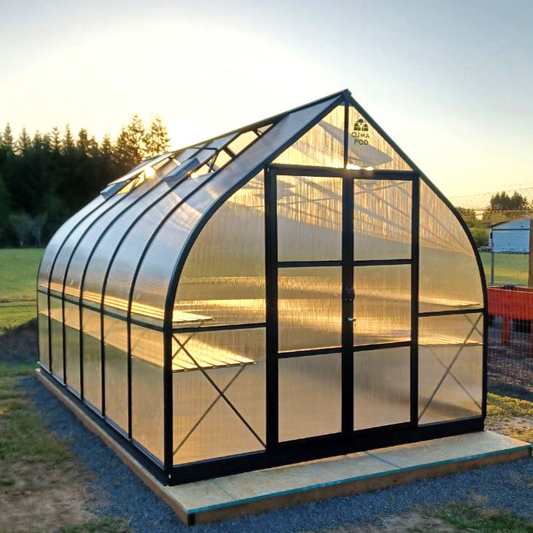
These are small, standalone structures typically ranging from 7x7 to 9x14 feet. They offer flexibility in placement and are ideal for growers who want more control over orientation.
Mini Hoop Houses
A hoop house uses curved supports covered with plastic film. It’s a low-cost option, but less durable and harder to ventilate properly in summer.
Smart Layout and Space Optimization
In a small greenhouse, layout determines how productive your space will be. Every square foot matters, so vertical and multi-use solutions are essential.
Start by defining a central walkway, usually 18–24 inches wide, to allow easy access. Then build growing space around it.
- Use vertical shelving for seedlings and herbs
- Install hanging baskets for trailing plants
- Choose narrow raised beds or benches along walls
- Group plants by water and temperature needs
“Vertical growing” simply means using height, not just floor space, to grow plants. This approach can double or triple your usable area.
Ventilation and Temperature Control
Temperature management is where many small greenhouse setups fail. Without proper airflow, heat builds up quickly even in mild climates.
Ventilation refers to moving air in and out of the greenhouse to regulate temperature and humidity. Humidity is the amount of moisture in the air, and too much of it can lead to mold and disease.
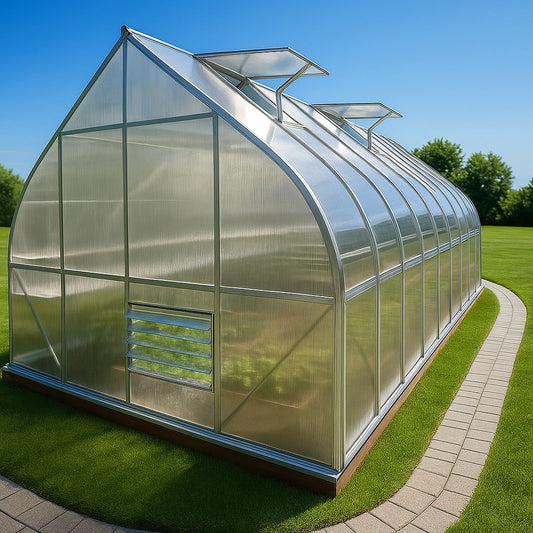
A basic system should include roof vents and lower intake vents. This creates natural airflow as hot air rises and exits, pulling cooler air in from below.
In warmer regions, you may also need shade cloth (a breathable fabric that reduces sunlight intensity) and small fans to maintain air movement.
Best Materials and Glazing Options
The materials you choose affect durability, insulation, and cost. “Glazing” refers to the material that covers the greenhouse and lets light in.
Polycarbonate Panels
These are durable, lightweight panels that provide good insulation. They diffuse light, which helps prevent plant scorching.
Polyethylene Film
This is a flexible plastic covering commonly used in hoop houses. It’s affordable but typically needs replacement every few years.
Glass
Glass offers excellent clarity and longevity but is heavier and more expensive. It’s less common in small backyard setups due to cost and fragility.
For most US backyard growers, polycarbonate strikes the best balance between performance and cost.
Regional Setup Tips Across the US

Your greenhouse setup should reflect your local climate. What works in California may not work in Minnesota.
Cold Northern States
Focus on insulation and heat retention. Use double-layer glazing and consider thermal mass like water barrels to store heat.
Hot Southern States
Prioritize ventilation and shading. Overheating is a bigger risk than cold, especially in summer.
Dry Western Regions
Humidity control becomes important. You may need to add moisture through watering systems or misting.
Humid Eastern Regions
Airflow is critical to prevent fungal diseases. Space plants well and avoid overcrowding.
Seasonal Growing Strategies

A greenhouse is not just for winter. With the right setup, it becomes a year-round growing system.
In early spring, use it for seed starting and transplant production. During summer, it can protect sensitive crops from heavy rain or pests, though overheating must be managed carefully.
In fall and winter, focus on cold-hardy crops like spinach, kale, and lettuce. These crops thrive in cooler temperatures and require less heating.
“Season extension” simply means growing plants outside their normal outdoor season by using protection like a greenhouse.
Common Mistakes to Avoid
Many backyard growers underestimate how quickly small greenhouses can become difficult to manage without proper planning.
- Choosing a location with insufficient sunlight
- Ignoring ventilation needs
- Overcrowding plants
- Using poor-quality materials that degrade quickly
- Not planning for seasonal temperature swings
One of the most common issues is overheating. Even in cooler climates, a closed greenhouse can exceed 100°F on a sunny day.
Cost and Effort Considerations

A small backyard greenhouse can range from a few hundred to several thousand dollars depending on materials and features. However, cost should be evaluated alongside durability and maintenance.
Lower-cost setups often require more frequent repairs or replacements. Higher-quality materials cost more upfront but reduce long-term effort. TCO for Greenhouses in the USA.
Labor is another factor. Even a small greenhouse requires regular watering, monitoring, and seasonal adjustments. The goal is to build a setup that fits your available time, not just your budget.
When designed thoughtfully, a small greenhouse becomes one of the most productive spaces in your backyard: supporting healthier plants, longer harvests, and more consistent results year after year.