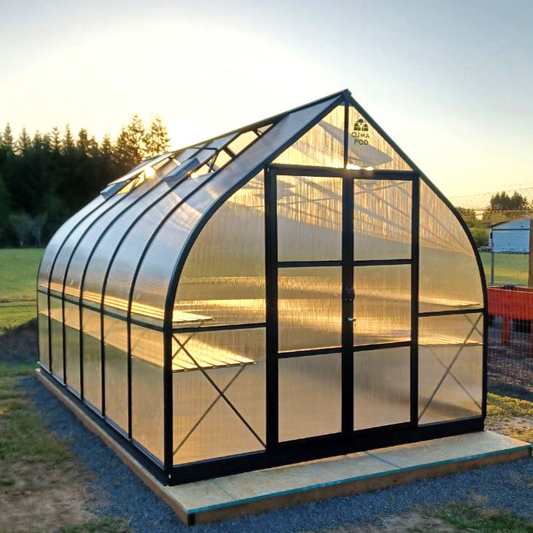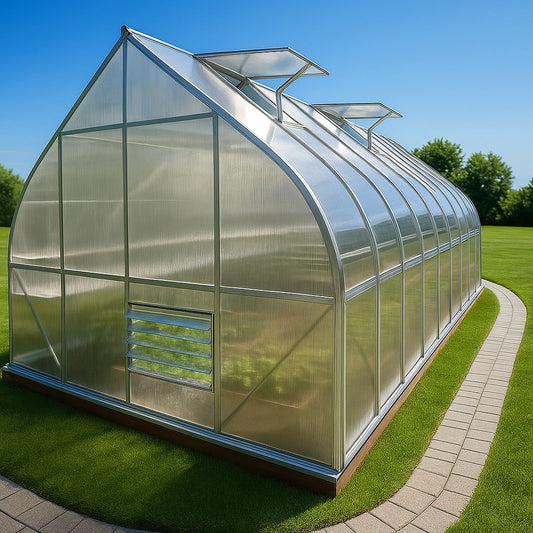

Best Greenhouse Size for Hobby Gardeners: How to Choose the Right Fit for Your Backyard
Choosing a greenhouse size sounds simple until you start planning what you actually want to grow. Many hobby gardeners either go too small and run out of space within a season, or go too big and struggle with cost and maintenance. The right size isn’t just about fitting a structure into your backyard, it’s about creating a growing environment that matches your goals, climate, and daily routine. In this guide you’ll learn how to choose a greenhouse size that works in real-world conditions.
Why Greenhouse Size Matters
Greenhouse size directly affects what and how successfully you can grow. A structure that’s too small limits your crop options, while one that’s too large can become expensive and harder to manage.
In practical terms, size determines airflow, temperature stability, and working comfort. Larger greenhouses tend to hold heat more consistently, while smaller ones can overheat or cool down quickly. This fluctuation can stress plants and reduce yields.
For hobby gardeners, the goal is to find a balance: enough space to grow efficiently without creating unnecessary work or cost.
Common Greenhouse Sizes Explained
Most backyard greenhouses fall into a few standard size categories. Understanding these helps you visualize what’s realistic for your setup.
Small Greenhouses (7x7 to 7x12 feet)
These compact structures are ideal for beginners or gardeners with limited space. They work well for starting seedlings, growing herbs, or maintaining a few containers.
However, space fills up quickly, especially if you add shelving or try to grow larger crops like tomatoes. You’ll also have less room to move around comfortably.
Medium Greenhouses (9x12 to 10x12 feet)
This is the sweet spot for many hobby gardeners. You get enough room for multiple crops, basic shelving, and a small workspace without overwhelming maintenance needs.
These sizes allow for crop rotation (growing different plants in different areas over time) which improves soil health and reduces pests.
Large Hobby Greenhouses (12x14 feet and up)
Larger structures are better suited for serious hobbyists or homesteaders. They allow for raised beds, walkways, and even dedicated zones for propagation (starting young plants), mature crops, and storage.
While more versatile, they require more planning for ventilation, heating, and irrigation.
How to Choose the Right Size for Your Needs
The best greenhouse size depends on how you actually garden, not just what looks good on paper. Start by thinking about your goals for the next 2–3 growing seasons.
Ask yourself what you want to grow and how often. Leafy greens and herbs take up far less space than vining crops like cucumbers or indeterminate tomatoes (varieties that keep growing and producing all season).
- Seed starting only: smaller greenhouse is enough
- Season extension (spring/fall crops): medium size works best
- Year-round growing: larger greenhouse is more practical
- Mixed use (seedlings + full crops): plan for extra space
It’s also wise to plan for growth. Most gardeners outgrow their first greenhouse within a year or two because they underestimate how much they’ll want to grow.
Space Planning: What Most Beginners Overlook

One of the most common mistakes is thinking only about plant space and forgetting about human space. You need room to walk, turn, carry tools, and access plants without damaging them.
A good rule is to dedicate at least 25–30% of your greenhouse footprint to paths and working space. This includes aisles (walking paths between beds or benches) and access points.
Vertical space matters too. Taller greenhouses allow better air circulation and support taller crops, but they also require more heating in colder climates.
Climate and Regional Considerations in the U.S.
Your local climate plays a major role in determining the ideal greenhouse size. What works in California may not work in Minnesota or Maine.
Cold Northern Regions
In colder states, slightly larger greenhouses are often more efficient. They retain heat better and allow for thermal mass (materials like water barrels or stone that absorb and slowly release heat).
Smaller structures lose heat quickly, making them harder and more expensive to keep warm.
Hot Southern Regions
In warmer climates, overheating is the main concern. Larger greenhouses can still work well, but only if they include proper ventilation, such as roof vents or shade cloth (fabric used to reduce sunlight intensity).
Smaller greenhouses may require more frequent monitoring to prevent heat stress on plants.
Variable Climates (Midwest, Northeast)
Regions with both hot summers and cold winters benefit from medium-sized greenhouses. These offer flexibility without requiring excessive heating or cooling infrastructure.
Balancing Size, Cost, and Maintenance
Bigger isn’t always better, especially when it comes to long-term costs. Larger greenhouses require more materials upfront and higher ongoing costs for heating, cooling, and watering.
Maintenance also increases with size. More surface area means more cleaning, more repairs, and more time spent managing the environment.
However, going too small can lead to inefficiencies, such as overcrowding plants or needing multiple structures. It’s often more cost-effective to build slightly larger than you think you need.
Common Greenhouse Sizing Mistakes
Many first-time greenhouse owners make similar sizing errors. Avoiding these can save you time, money, and frustration.
- Choosing the smallest possible size to save money
- Ignoring space for walkways and tools
- Not planning for future expansion
- Underestimating plant growth and spacing needs
- Forgetting climate-related requirements
These issues often lead to overcrowded plants, poor airflow, and increased disease pressure. In plant terms, poor airflow creates a humid environment where fungi and pests thrive.
Recommended Sizes for Different Types of Gardeners

If you’re unsure where to start, these practical recommendations can help guide your decision.
Beginner Hobby Gardeners
An 7x7 or 7x12 greenhouse is a solid starting point. It provides enough room to experiment without becoming overwhelming.
Backyard Growers with Seasonal Goals
A 9x14 structure offers flexibility for spring seedlings, summer crops, and fall extension. It’s one of the most balanced choices for U.S. home gardeners.
Homesteaders and Serious Hobbyists
Consider 12x14 or larger. This size supports diverse crops, better workflow, and more efficient use of space throughout the year.
Small-Scale Market Growers
While still considered “hobby” by some, growers selling at local markets often need multiple greenhouses or larger tunnel-style structures to maintain consistent production.
Ultimately, the best greenhouse size is one that matches your gardening habits. Think ahead, plan realistically, and give yourself room to grow — both literally and as a gardener.