
Why Raised Beds Dry Out Faster Than Garden Soil
Short Answer
Raised beds usually dry out faster than in-ground garden soil because they are exposed to more air, more sunlight, and more temperature fluctuations. Water can leave the soil from the top, sides, and bottom, while soil at ground level is insulated by the surrounding earth.
This faster drying isn't necessarily a problem. In fact, it is one reason raised beds warm up quickly in spring and often produce excellent crops. The key is understanding how moisture behaves differently so you can adjust your watering practices accordingly.
Why It Happens

The biggest difference is exposure. In-ground soil is surrounded by a large mass of earth that helps retain moisture and moderate temperature changes. Raised beds sit above the surrounding grade, leaving more soil surface exposed to moving air and sunlight.
When temperatures rise, moisture evaporates from the soil surface. Evaporation simply means water changing from liquid into vapor and escaping into the atmosphere. Because raised beds have additional exposed surfaces, this process often happens more quickly.
Wind also plays a larger role than many gardeners realize. Even a light breeze can pull moisture from raised-bed soil faster than from nearby garden rows. Beds positioned in open areas may dry significantly faster than those sheltered by fences, shrubs, or structures.
Soil composition matters as well. Many raised beds are filled with lightweight planting mixes rich in compost, bark, coconut coir, or peat-based materials. These ingredients can provide excellent drainage and root growth, but some mixes lose moisture more quickly than heavier mineral soils found in the ground.
Seasonal weather can amplify the effect. During hot, dry spells, gardeners often notice raised beds needing water a day or two before nearby in-ground plantings show signs of dryness. In arid climates, the difference can be even more pronounced.
What To Do

The solution is usually not more water at one time, but better moisture management over time.
- Apply mulch to reduce evaporation. Straw, shredded leaves, untreated wood chips, or compost can help slow moisture loss.
- Water deeply rather than frequently. Deep watering encourages roots to grow farther into the soil profile where moisture remains available longer.
- Check soil moisture below the surface before watering. The top inch may appear dry while adequate moisture remains deeper down.
- Consider drip irrigation. Slow, targeted watering often maintains more consistent moisture than overhead sprinklers.
- Add organic matter regularly. Finished compost improves both drainage and water-holding capacity in many raised-bed soils.
In hotter regions, some gardeners find that taller raised beds require slightly more attention during midsummer because a larger portion of the soil profile is exposed to warming air temperatures.
What To Watch For
Watch for signs that moisture is becoming inconsistent. Vegetable crops such as tomatoes, peppers, and cucumbers often respond to irregular watering with blossom drop, uneven growth, fruit cracking, or reduced production.
New transplants deserve special attention. Their root systems have not yet expanded through the bed, making them more vulnerable to rapid drying during warm weather.
A common mistake is watering on a fixed schedule without checking actual soil conditions. Raised beds may need more frequent irrigation during hot, windy periods and much less during cool or rainy weather.
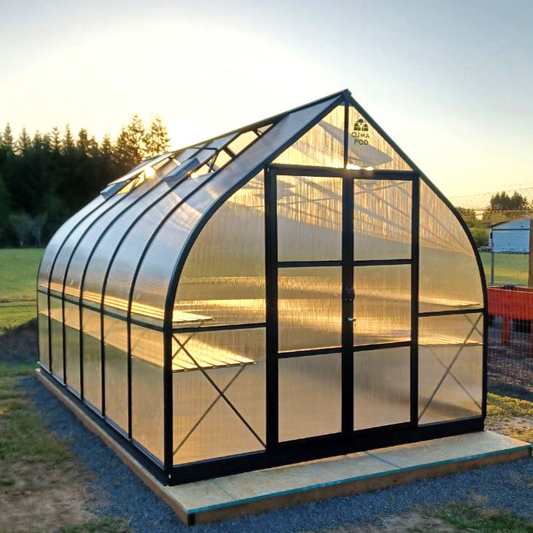
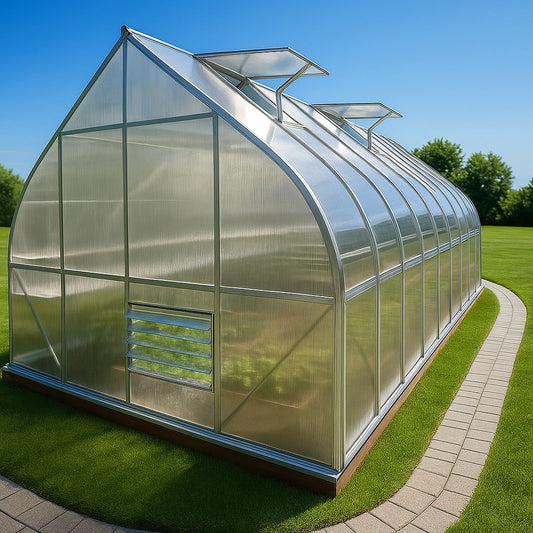
Greenhouse growers sometimes encounter a similar challenge. Raised beds inside greenhouses can dry even faster because elevated temperatures increase evaporation while rainfall never replenishes soil moisture. Regular monitoring becomes especially important in these environments.
Realistically, raised beds will almost always require closer attention to watering than in-ground gardens. However, with mulch, good soil structure, and consistent irrigation practices, they can remain productive while offering the benefits that make raised-bed gardening so popular in the first place.