
Should You Ventilate a Greenhouse in Cold Weather?
Expert Guide for Healthier Plants & Higher Yields
A greenhouse gives growers a clear advantage by extending the season, stabilizing conditions, and accelerating plant growth. Crops mature faster, seedlings establish more reliably, and weather risks are reduced. However, when temperatures drop, many gardeners and small-scale farmers face a critical dilemma: should you keep the greenhouse sealed to preserve warmth, or open it to allow fresh air inside? This decision directly affects plant health, disease pressure, and ultimately your yield.
At first glance, keeping everything tightly closed seems logical. Warm air stays inside, plants are protected from wind, and the internal microclimate appears stable. But this approach often creates hidden problems that are less obvious than cold damage, yet far more dangerous over time. Understanding the balance between temperature and airflow is what separates average results from consistently productive greenhouse systems.
Why Temperature Alone Is Not Enough
Heat is important, but it is only one part of a healthy greenhouse environment. Plants depend on a balance of temperature, humidity, and fresh air exchange to function properly. When a greenhouse is sealed for too long, humidity rises quickly, oxygen levels shift, and carbon dioxide becomes limited, which directly slows photosynthesis and plant development.
In practical terms, this means that even if your greenhouse feels warm, your plants may not be thriving. Growth can stall, leaves may appear weak, and overall resilience declines. A properly ventilated greenhouse, even in cooler conditions, often produces stronger and healthier plants than an overheated but stagnant one.
Condensation: The Silent Threat Inside Your Greenhouse

One of the most underestimated risks in cold-weather greenhouse management is condensation. Moisture accumulates on the interior surfaces, including walls and roof panels, and eventually forms droplets that fall back onto plants and soil. This process happens gradually, so many growers do not notice the buildup until symptoms appear on the plants.
Excess moisture creates ideal conditions for fungal and bacterial diseases. Tomato growers, for example, often encounter issues like leaf spot or early signs of blight when humidity remains high for extended periods. Even something as simple as leaving open water containers inside the greenhouse can increase moisture levels enough to trigger disease development if airflow is insufficient.
Instead of thinking only about keeping plants warm, it is more effective to think in terms of keeping leaves dry and air moving. A slightly cooler but well-ventilated greenhouse is almost always safer than a warm, humid, and stagnant one. This shift in mindset is critical for both hobby gardeners and commercial growers.
When and How Long to Vent in Cold Weather
Ventilation in cold conditions should be intentional and timed carefully. The goal is not to cool the greenhouse, but to refresh the air and remove excess humidity without causing temperature shock. The best moment to ventilate is typically late morning to early afternoon, when outside temperatures are at their peak and sunlight helps stabilize internal conditions.
- Open vents, doors, or windows during the warmest part of the day, ideally between late morning and early afternoon.
- Keep ventilation periods relatively short, usually between one and three hours depending on conditions and crop sensitivity.
- Avoid ventilating during strong winds or sudden temperature drops, as this can stress plants and rapidly reduce internal heat.
Even brief daily ventilation can dramatically improve air quality and reduce disease risk. Over time, this routine becomes one of the most important habits in successful greenhouse management.
How to Ventilate Without Losing Critical Heat
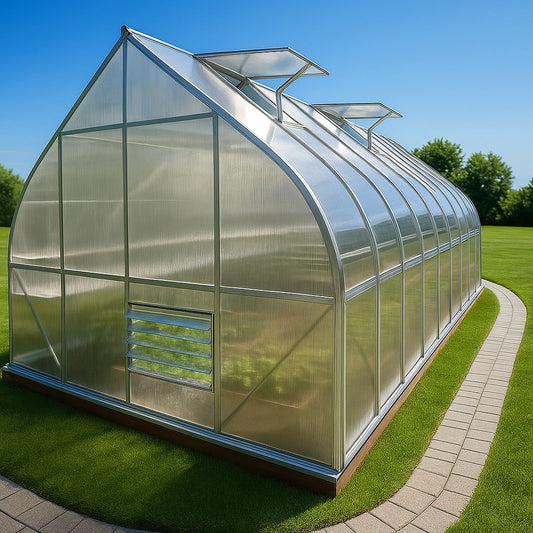
Many growers worry that opening a greenhouse in cold weather will undo all the accumulated warmth. In reality, controlled ventilation has a minimal long-term impact on temperature when done correctly. Warm air tends to rise, so releasing it through roof vents allows humid air to escape while preserving more stable conditions near plant level.
Instead of fully opening all access points, partial ventilation is often sufficient. Slightly opening roof vents or cracking a door creates gentle air exchange without causing drastic temperature loss. Combining this approach with thermal mass, such as water barrels, stone pathways, or soil beds that retain heat, helps buffer temperature fluctuations and maintain stability.
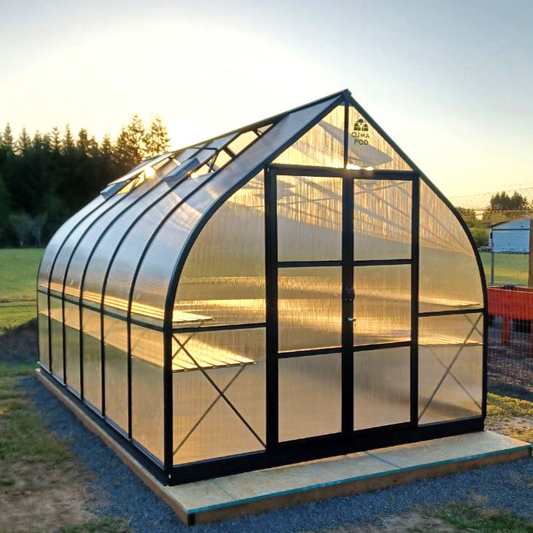
Modern greenhouse designs also support better airflow control. Adjustable vents, automatic openers, and well-planned layouts make it easier to fine-tune conditions without constant manual intervention. This is especially valuable for growers managing larger spaces or multiple crops with different needs.
Early Warning Signs of Poor Ventilation

Your greenhouse will often show clear signals when airflow is insufficient, but these signs can be subtle at first. Paying attention early allows you to correct conditions before serious damage occurs. Ignoring these signals, on the other hand, can quickly lead to widespread plant stress or disease outbreaks.
- Condensation forming on walls or dripping from the ceiling, especially in the morning hours.
- Leaves remaining wet for long periods or feeling sticky to the touch.
- Yellowing foliage, mild chlorosis, or plants that appear slightly droopy despite adequate watering.
- A persistent musty smell, which often indicates fungal activity in the air.
These symptoms rarely appear in isolation. More often, they develop together, reinforcing the need for immediate adjustments to ventilation and humidity control.
How to Recover Plants After Ventilation Mistakes

If poor ventilation has already affected your plants, quick action can still prevent major losses. The first step is to restore proper airflow and stabilize humidity levels, which immediately slows the spread of disease. Removing heavily damaged leaves reduces the source of infection and improves overall plant energy distribution.
In cases where disease symptoms are visible, targeted treatment may be necessary. Applying a suitable fungicide and supporting plants with a growth stimulant can help them recover more quickly. Recovery is often faster than expected once environmental conditions are corrected, especially in controlled greenhouse systems.
Key Takeaways
Ventilation is not optional, even in cold weather, and should be treated as a daily management practice rather than an occasional adjustment. Temperature control alone is not enough; humidity and airflow play equally important roles in plant health. Short, well-timed ventilation periods can prevent most common greenhouse problems before they begin.
In greenhouse growing, extremes are always risky. Cold, heat, and excess moisture can all cause damage when not properly managed. By maintaining balance through consistent ventilation, you create a stable environment where plants can thrive, leading to stronger growth, fewer diseases, and more reliable harvests.