
Can You Water Plants in the Middle of the Day?
Short Answer
Yes, you can water plants in the middle of the day if they need water. While early morning is generally the best time to irrigate because it minimizes evaporation and gives plants time to dry before evening, midday watering is far better than allowing plants to remain severely stressed during hot weather.
The long-standing advice to avoid watering during the hottest part of the day contains a grain of truth, but it is often misunderstood. Midday watering is less efficient because more water evaporates before reaching the root zone, yet it does not normally "burn" healthy leaves or permanently harm plants simply because the sun is shining.
Why People Believe This

The belief has been passed down for generations and usually combines several different ideas into one rule. Gardeners have often been told that water droplets act like tiny magnifying glasses, focusing sunlight onto leaves and causing scorch marks. Another common concern is that cold water hitting hot plants creates temperature shock.
These explanations sound reasonable, especially when gardeners notice damaged leaves after watering on a hot afternoon. In reality, however, the timing of the watering is often blamed for problems that were actually caused by heat stress, drought, or existing leaf damage.
The advice also developed from practical experience. Watering during the hottest hours of the day is simply less efficient because evaporation rates are higher. Before modern irrigation systems, conserving every gallon of water was especially important, so gardeners naturally preferred watering in the cooler hours of the morning or evening.
What Actually Happens
When soil becomes dry during extreme heat, plants struggle to replace the water they lose through transpiration, the natural process of moving water from the roots through the leaves and into the air. As this water loss exceeds what the roots can absorb, leaves wilt to reduce moisture loss and protect the plant.
Providing water during this period helps restore soil moisture so the roots can continue supplying the plant. Although some water may evaporate before soaking into the soil, enough usually reaches the root zone to benefit thirsty plants.
The popular idea that water droplets burn leaves has very little support under normal garden conditions. Most leaf scorch develops because the plant is already experiencing excessive heat, drought, or sun exposure (not because water droplets concentrated sunlight).
That said, how you water still matters. Applying water directly to the soil is usually more effective than spraying foliage during the hottest part of the day. Deep watering encourages moisture to penetrate where roots can access it, while frequent light sprinkling may wet only the surface and increase evaporation losses.
Reality: Healthy plants are not normally damaged simply because their leaves are wet in sunlight. The larger concern is water efficiency. Morning watering remains the preferred routine, but watering thirsty plants at midday is usually the better choice than waiting until they become more severely stressed.

When It Might Be True
There are situations where midday watering is less desirable, though not necessarily harmful.
- If your goal is conserving water, early morning irrigation remains the most efficient choice because evaporation rates are lower.
- Very shallow watering during extreme heat may evaporate quickly before reaching the root zone.
- Plants growing in containers or raised beds often dry out much faster than those growing in garden soil, making midday watering more necessary during heat waves.
- Some delicate flowers may temporarily appear flattened after overhead watering in intense sunlight, but they usually recover without lasting damage.
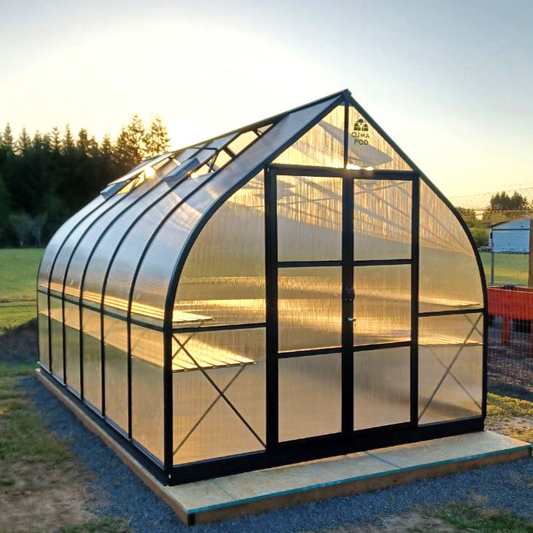
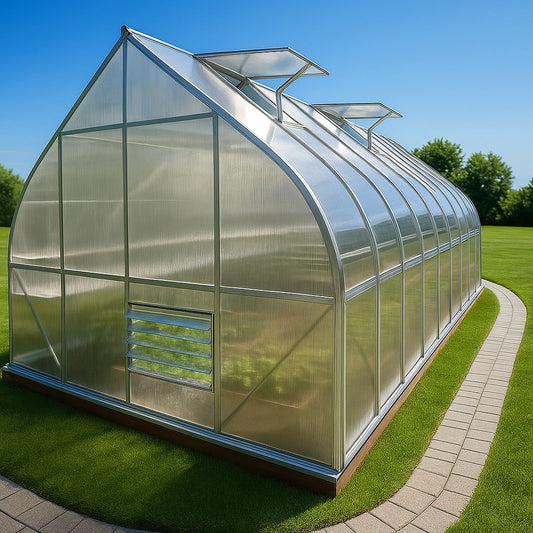
Greenhouse growers face slightly different conditions. Inside a greenhouse, temperatures can rise rapidly on sunny afternoons. Watering may become necessary even during the middle of the day, but adequate ventilation remains equally important. Cooling the growing environment often provides as much benefit as adding more water.
Bottom Line

The best watering schedule is the one that keeps plants consistently hydrated while using water efficiently. For most gardens, early morning remains the ideal time because less water is lost to evaporation and foliage has time to dry during the day.
However, gardening is rarely about following absolute rules. If your vegetables, flowers, or shrubs are visibly wilting during a hot afternoon, watering them is usually the right decision. Temporary evaporation losses are far less damaging than prolonged drought stress.
Rather than worrying about the clock, pay attention to the condition of your soil and your plants. Healthy roots supplied with adequate moisture are far more important than perfectly timed watering.