
Caring for Grapes in August: How to Help Your Clusters Ripen Well and Stay Disease-Free
Why August Is the Turning Point for Grape Quality
If June and July are about setting the crop, August is about finishing it. For most of the United States, this is the month when grape clusters shift from hard, tart green berries into something that actually resembles the fruit you'll eat or press. It's also the month when a single stretch of humid weather, a missed irrigation adjustment, or an overgrown canopy can undo months of careful work.
Grapevines don't ripen fruit the way tomatoes or peppers do. Ripening in grapes is a whole-vine event tied to sugar movement, leaf health, and — critically — how much the vine is stressed or coddled during these final weeks before harvest. Growers who understand what's happening physiologically inside the vine in August tend to make far better decisions than those simply following a generic calendar.
What's Actually Happening Inside the Berries Right Now
Sometime in mid-to-late summer, table and wine grapes go through a stage called veraison — the point where berries stop growing mostly by cell division and start changing color, softening, and accumulating sugar. Red and black varieties shift from green to purple or blue; white and green varieties turn from hard green to a translucent gold or pale green. For most of the continental U.S., veraison happens somewhere between mid-July and late August depending on variety and climate, which means many growers are deep into the ripening window by the time August arrives.
Once veraison begins, a few things change inside the vine:
- Sugar (produced by the leaves through photosynthesis) is redirected toward the clusters instead of shoot growth.
- Berries become far more susceptible to splitting, sunburn, and fungal infection because their skins are thinner and softer.
- Acidity in the fruit begins dropping while sugar content rises — this is the balance that ultimately determines flavor.
- The vine's water needs actually decrease compared to earlier in the season.
This is why August care looks so different from the watering-and-fertilizing routines of May and June. The vine has shifted its priorities, and your management needs to shift with it.

Canopy Management: Sunlight Without Sunburn
Leaves are the vine's sugar factories, and clusters need a certain amount of dappled sunlight to ripen evenly and develop good flavor and color. But there's a real balance to strike here, because too much direct, harsh sun on exposed clusters (especially after a hot, humid stretch followed by a sudden heat spike) can cause sunburn or "sunscald," which shows up as sunken, discolored patches on the berry skin that often lead to rot.
The technique most experienced growers rely on is called leaf pulling or fruit zone thinning — selectively removing leaves directly around the clusters (not throughout the whole canopy) to improve airflow and light penetration without stripping the vine of its ability to photosynthesize.
A few practical guidelines for August leaf pulling:
- Focus on the "fruit zone" (the band of canopy directly surrounding the clusters) rather than thinning the whole vine.
- Remove leaves on the morning-sun side more aggressively than the afternoon-sun side, since afternoon sun in most U.S. climates is more intense and prolonged.
- Don't strip more than a moderate portion of leaves around any single cluster in one session; do it gradually over a week or two so the fruit can acclimate rather than getting suddenly exposed to full sun.
- If you're in a hot climate (much of the Southwest, interior California, and parts of Texas), lean toward leaving slightly more shade cover than growers in cooler regions like the Pacific Northwest or the Northeast.
Beyond leaf pulling, this is also a good time to do a final pass of shoot positioning — tucking wayward shoots back into the trellis wires so they aren't flopping over and shading clusters unevenly, and removing any obviously diseased or damaged shoots you spot along the way.

Watering Strategy: Why Less Is Often More in August
This trips up a lot of home growers, especially those coming from vegetable gardening, where consistent moisture is usually the goal. Grapevines are different. Once berries begin ripening, excess water (particularly a big pulse of water after a dry stretch) can cause berries to swell too quickly and split their skins, which opens the door to rot and fruit flies almost immediately.
The general principle most viticulturists (grape-growing specialists) follow post-veraison is deficit irrigation: deliberately watering less than the vine's full water demand to encourage the plant to concentrate sugars and flavor compounds in the fruit rather than pushing more vegetative growth.
In practice, for backyard and small-scale growers, this means:
- Reduce irrigation frequency once color change begins, watering deeply but less often rather than little and frequently.
- Avoid watering right before or during a known ripening push, especially if rain is already forecast.
- Watch the vine itself, not just the calendar — slightly wilted lower leaves in the heat of the day that recover by evening are normal and not necessarily a sign the vine needs more water.
- Established, deep-rooted vines (generally three years or older) can tolerate considerably more dry stress than young vines still developing their root systems, which still need more consistent moisture.
If you're growing in containers or a high tunnel where rainfall isn't a factor, you have more direct control — which is an advantage, but it also means the responsibility for getting this right falls entirely on your watering schedule rather than the weather.
The Big Three Late-Summer Grape Diseases (and How to Head Them Off)
August combines everything fungal pathogens love: warm nights, humidity, dense canopies, and — critically — soft, sugar-rich fruit that's far more vulnerable than it was in June. Three diseases account for the vast majority of late-season grape losses among home and small-scale growers.
Powdery Mildew
Powdery mildew shows up as a grayish-white, dusty-looking coating on leaves, shoots, and sometimes the berries themselves. Unlike many fungal diseases, it actually thrives in dry conditions with high humidity rather than requiring standing water on leaf surfaces, which is why it's such a persistent problem even during dry summer spells. On fruit, infected berries can develop a netted, russeted skin texture or fail to ripen properly and split.
Downy Mildew
Downy mildew prefers wetter conditions (it needs moisture on leaf surfaces to infect) and shows up as yellowish, oily-looking patches on the tops of leaves with a fuzzy white or gray growth on the undersides during humid mornings. It's a bigger concern in the Eastern and Midwestern U.S. than in the arid West.
Botrytis (Bunch Rot)
Botrytis, often called gray mold or bunch rot, is arguably the most destructive of the three in August specifically because it attacks ripening fruit directly. It gets into clusters through cracks, splits, or wounds — often the very splits caused by irregular watering or bird and wasp damage — and can turn a nearly ripe cluster to mush within days in humid weather.
For all three diseases, the core prevention strategy is largely the same, which is good news for growers managing limited time:
- Improve airflow through leaf pulling and shoot positioning (see the canopy section above).
- Avoid overhead watering, especially in the evening, which leaves foliage wet overnight — the ideal condition for fungal spore germination.
- Remove and dispose of (don't compost) any visibly infected leaves or clusters promptly to reduce spore load.
- If you use fungicides, timing matters more than product choice — sprays are most effective as preventive treatments before symptoms appear, not as a cure after infection is visible. Always follow label instructions and pre-harvest interval requirements exactly, since these intervals exist specifically to keep fruit safe to eat by harvest time.

Wasps, Birds, and Other August Cluster Raiders
Once sugar levels rise, grapes become a magnet for more than just fungal pathogens. Wasps and yellowjackets are drawn to the sugar and often exploit existing splits rather than creating new damage themselves, though they can enlarge small wounds. Birds are usually the bigger threat for backyard growers, and they tend to target ripening fruit right as it hits peak sugar — often a day or two before you were planning to harvest.
Practical, low-intervention options that most home growers rely on:
- Bird netting draped over the trellis or individual clusters, installed once color change begins rather than waiting until berries are fully ripe.
- Reflective tape or scare devices, which have mixed but sometimes useful results, especially when moved periodically so birds don't habituate to them.
- Removing any split or damaged berries promptly, since these are what attract wasps in the first place — a few rotting berries can draw in a disproportionate amount of pest pressure to an otherwise healthy cluster.
How Your Region and Grape Type Change the Playbook
Grape care in August looks meaningfully different depending on where you're growing and what type of grape you have. Broadly, home and small-scale growers in the U.S. are working with American grapes (like Concord types, generally well-suited to USDA Hardiness Zones 4–8 and more disease-resistant), European wine grapes (Vitis vinifera, typically better suited to Zones 6–9 with drier summers, and generally more disease-prone), or French-American hybrids bred for a middle ground of cold-hardiness and disease resistance.
- Pacific Northwest and Northern California: Dry summers make deficit irrigation straightforward, but growers should still watch for powdery mildew given the humidity that lingers near the coast.
- Southeast and Gulf Coast: High humidity and rainfall make downy mildew and botrytis the dominant concerns; American grape varieties and hybrids bred for disease resistance tend to perform far better here than European types.
- Midwest and Northeast: Variable August weather (hot, humid stretches followed by cooler snaps) means growers need to stay especially alert to sudden disease pressure after rain events.
- Southwest and interior California: Intense heat and sun make sunburn a bigger concern than disease in many cases, so canopy management leans toward preserving more shade cover around clusters.
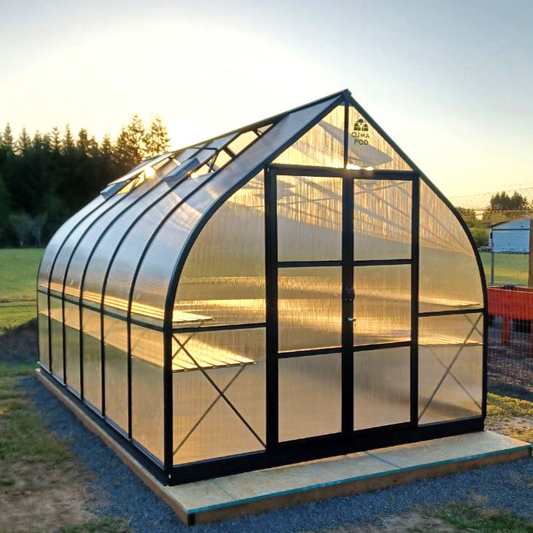
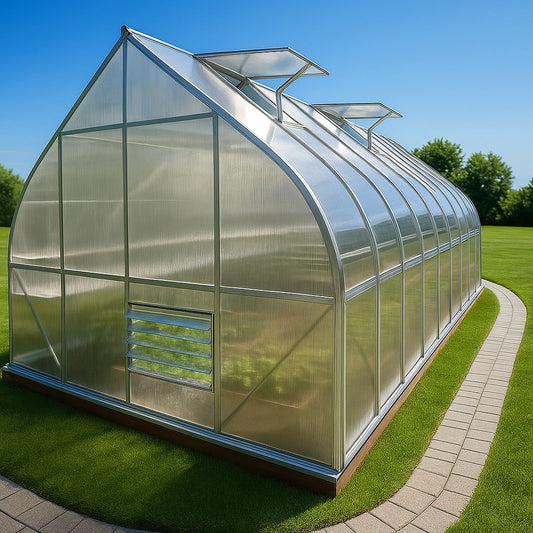
Where Greenhouse or High-Tunnel Growing Fits In
Most grapevines are grown outdoors, and for good reason — they're vigorous, need substantial space, and generally benefit from natural airflow and pollinator access. That said, some growers in short-season or particularly disease-prone climates use greenhouses or unheated high tunnels to extend the ripening window or protect a small number of vines from rain-driven disease pressure during the final ripening stretch.
If you are growing grapes under cover, a few things change: ventilation becomes even more critical since enclosed structures can trap humidity and actually worsen fungal disease risk if airflow isn't managed carefully, and temperature swings can be more extreme, which means monitoring for both overheating on sunny days and adequate nighttime cooling (grapes benefit from some day-night temperature variation to develop flavor and color properly). Covered growing isn't a requirement for good grape production, but it can be a useful tool for growers dealing with a particularly wet climate or a short growing season where extending ripening time by even a few weeks makes a real difference.

Common August Mistakes That Cost Growers Their Crop
A few patterns show up again and again among home and small-scale growers during this window:
- Watering heavily right before harvest, causing split berries and a rush of rot in the final days before picking.
- Over-thinning the canopy all at once instead of gradually, leading to sunburn.
- Watering overhead in the evening, leaving foliage wet overnight and inviting fungal infection.
- Waiting until disease symptoms are obvious before taking action, rather than managing airflow and moisture preventively from the start of the month.
- Ignoring cluster density — tightly packed clusters trap moisture between berries and are far more prone to bunch rot, regardless of how well the rest of the vine is managed.
Your August Grapevine Checklist

- Taste-test berries from multiple parts of the vine weekly to track ripening progress.
- Gradually thin leaves in the fruit zone for airflow, adjusting based on your regional sun intensity.
- Shift to deep, infrequent watering; avoid heavy irrigation right before harvest.
- Inspect leaves and clusters regularly for early signs of powdery mildew, downy mildew, or botrytis.
- Remove and discard (not compost) any infected or damaged plant material promptly.
- Install bird netting once color change begins, not after.
- Remove split or rotting berries as soon as you spot them to reduce wasp and disease pressure.
- If growing under cover, prioritize ventilation to avoid trapped humidity.
Frequently Asked Questions
Why are my grapes not turning color in August?
Timing varies significantly by variety and climate — some varieties naturally ripen later, and cool or overcast weather can slow the process. If clusters are still fully green and hard well into August in a region where your variety typically ripens by then, check for excessive vine vigor (too much leafy growth competing with fruit for sugar) or overly dense shade blocking clusters from adequate light.
Should I remove some grape clusters to help the rest ripen?
Thinning clusters, especially on young or overloaded vines, can help the vine direct more sugar into the remaining fruit and often improves overall quality. This is more commonly done earlier in the season, but removing a few of the smallest or most crowded clusters in early August can still help, particularly if the vine looks like it's carrying more fruit than its leaf area can adequately ripen.
Is it normal for grape leaves to yellow in August?
Some lower, older leaf yellowing and drop is normal as the vine redirects resources toward ripening fruit. Widespread yellowing across the whole canopy, especially with blotchy or irregular patterns, is worth investigating further as it can also indicate nutrient deficiency or disease.
Can I still fertilize my grapevines in August?
Generally, no — most guidance calls for avoiding nitrogen fertilization from mid-summer onward, since it encourages vegetative growth at exactly the time the vine should be focusing energy on ripening fruit and preparing for dormancy. If a soil test indicates a genuine deficiency, address it with your local extension office's guidance rather than routine August feeding.