
Why Do Plants Seem to Grow Faster After a Warm Night?
If you've walked out to the garden after a warm, muggy night and sworn your tomatoes or squash grew visibly overnight, you're not imagining it. Warm nights do change how fast a plant develops, but not because the plant is "growing" in the dark the way it grows in sunlight.
What's really happening is a shift in how the plant spends the sugar it made the day before. That shift can look like a growth spurt, and sometimes it genuinely is one. Other times, it's a warning sign in disguise.
Why It Happens
During the day, a plant uses photosynthesis (the process of turning sunlight, water, and carbon dioxide into sugar) to build up energy reserves. At night, with no light available, the plant switches to respiration: it burns some of that stored sugar for fuel, the same way your body burns food for energy while you sleep.
Respiration speeds up as temperatures rise. A warm night means faster respiration, which means the plant is working through more of its sugar reserves to fuel cell division, stem elongation, and root growth. That's the mechanism behind the "it grew overnight" effect gardeners notice with fast growers like squash, cucumbers, and tomatoes.

The catch: faster respiration also means faster sugar consumption. If nighttime temperatures stay high for several nights running, especially above the mid-70s°F, the plant can burn through reserves faster than it's rebuilding them during the day. At that point you're not looking at extra growth anymore, you're looking at a plant living off its savings.
What To Do
Track your low temperatures for a few nights, not just one. A single warm night after a cold spell is usually a good thing; it removes a limitation the plant was already fighting. A week of nights above 75°F for heat-sensitive crops is a different story and worth watching closely.
For crops that are struggling with heat stress at night, a few things actually help:
- Water deeply in the early morning so the plant enters the evening well-hydrated, since drought stress compounds heat stress.
- Add a light mulch layer to keep root-zone temperatures more stable, which takes some pressure off the whole plant.
- Hold off on high-nitrogen fertilizer during hot stretches; nitrogen pushes leafy growth, which is exactly the direction the plant is already leaning under warm-night stress.
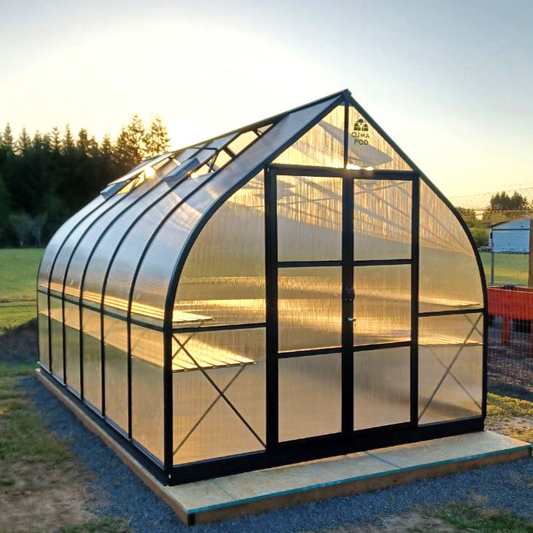
- If you're growing in a greenhouse or hoop house, ventilate overnight when possible. Structures trap daytime heat, so night temperatures inside can run several degrees above the outside air unless there's airflow.
For cold-climate gardeners in places like Minnesota or the Upper Midwest, this whole dynamic runs in reverse for much of the season. There, a run of nights staying above 50°F instead of dropping into the 30s is usually a clear net positive, since the plant was respiration-limited by cold rather than stressed by heat.
What To Watch For

A few signs to keep an eye on after a stretch of warm nights:
- Good sign: steady, even growth with new flowers continuing to appear alongside the extra foliage.
- Warning sign: lots of new leafy growth but flowers dropping before they open, or small fruit shriveling and falling (this is called blossom drop, and heat stress at night is one of the most common causes).
- Common mistake: reading vigorous top growth as a sign the plant is thriving and feeding it more nitrogen, which pushes it further in the wrong direction during a heat stretch.
- Realistic expectation: if warm nights persist through peak summer, expect a temporary dip in fruit set on heat-sensitive crops even if the plant itself looks healthy. Most recover fruiting once nights cool back down.
The short version: a warm night isn't automatically good or bad for growth. It depends on whether that warmth is closing a gap for a plant that needed it, or pushing a plant past the range it's built for.