
Why Lettuce Suddenly Bolts Before Harvest
Short Answer
If your healthy-looking lettuce suddenly sends up a tall central stalk just before you're ready to harvest, it has begun bolting (the plant's natural shift from producing leaves to producing flowers and seeds). Once bolting starts, leaf quality declines quickly, becoming more bitter, tougher, and less tender.
While bolting can't be reversed, it doesn't necessarily mean you've done anything wrong. Lettuce is a cool-season crop, and changes in temperature, day length, and growing conditions can signal that its growing season is coming to an end. The key is recognizing the signs early and adjusting your planting schedule or growing practices for future harvests.
Why It Happens

Lettuce evolved to complete its life cycle before the heat of summer. As spring turns into early summer, longer daylight hours and rising temperatures trigger hormonal changes inside the plant. Instead of investing energy into producing new leaves, it begins preparing to reproduce.
Warm weather is usually the biggest factor, especially when daytime temperatures regularly climb above about 75°F. Several consecutive hot days can push mature lettuce toward flowering, particularly if nighttime temperatures remain warm.
Plant age also matters. Even in relatively mild weather, older lettuce eventually reaches the point where it naturally begins producing a flower stalk. Heat simply speeds up the process.
Other forms of stress can encourage earlier bolting as well. Inconsistent watering, crowded plants, root disturbance, or prolonged dry conditions may signal that survival is uncertain, causing lettuce to reproduce sooner rather than continue leaf growth.
Some varieties are naturally slower to bolt than others. Romaine and certain modern heat-tolerant cultivars often hold longer in warm weather than many butterhead or loose-leaf types, although no variety remains productive indefinitely once true summer conditions arrive.
What To Do
If you notice the center of the plant stretching upward or the leaves becoming narrower and more upright, harvest immediately. The leaves are usually still usable, although flavor may already be becoming stronger.
To reduce bolting in future plantings:
- Plant early enough to mature before summer heat arrives.
- Make successive sowings every two to three weeks rather than planting everything at once.
- Keep soil consistently moist to reduce stress.
- Use mulch to help moderate soil temperature and reduce moisture loss.
- Provide afternoon shade during hot spells, especially in warmer USDA Hardiness Zones.
- Choose varieties described as slow-bolting or heat-tolerant for late spring plantings.
In warm regions, many gardeners simply shift lettuce production to fall, winter, or early spring, when temperatures remain within the plant's preferred growing range.
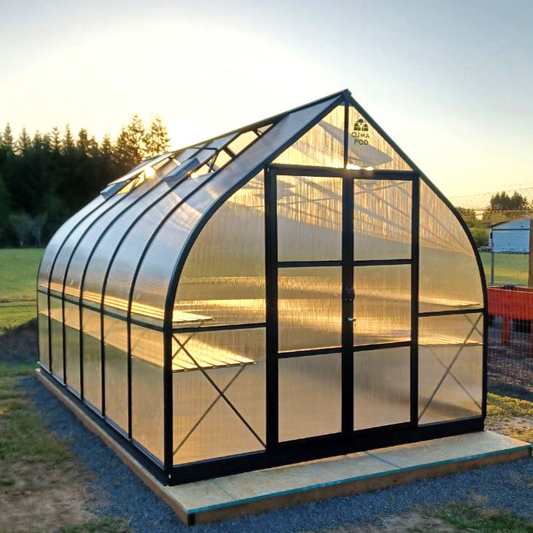
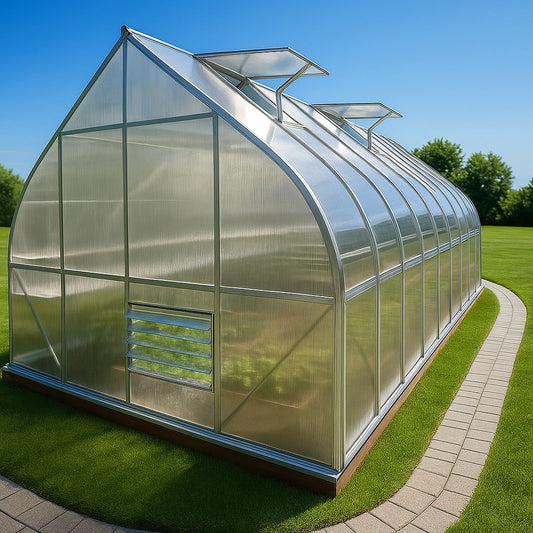
Greenhouses can extend the season, but they are not immune to bolting. On sunny spring days, temperatures inside an unventilated greenhouse can rise much higher than outdoor conditions. Proper ventilation, shade cloth when needed, and careful temperature management help delay bolting, but eventually increasing day length will still encourage flowering.
What To Watch For

Watch for subtle changes before the flower stem becomes obvious. Leaves may lose their rounded shape, the center may elongate, and new growth often appears lighter in color and more upright.
A common mistake is trying to stop bolting by adding fertilizer or watering heavily after it has begun. While adequate moisture keeps the remaining leaves from becoming excessively tough, it will not return the plant to leafy growth.
If only one or two plants bolt while nearby lettuce remains healthy, those individual plants may simply be more mature or genetically inclined to flower sooner. If an entire bed bolts within a few days, weather is almost always the primary cause.
Once flowers begin forming, leaf quality declines rapidly. At that point, many gardeners compost the plants and replant with warm-season vegetables or prepare for another lettuce crop later in the season when cooler temperatures return.
Bolting is a normal stage of lettuce development, not a disease. Understanding when and why it happens allows you to harvest earlier, choose better planting windows, and enjoy longer periods of crisp, flavorful lettuce throughout the growing season.