
Why Pepper Plants Stay Small Even When They Look Healthy
Short Answer
If your pepper plants are green, upright, and free of pests but seem stuck at the same size for weeks, they are usually responding to growing conditions rather than suffering from disease. Peppers naturally grow more slowly than tomatoes, and they often pause while waiting for consistently warm temperatures or while rebuilding their root system after transplanting.
In many cases, healthy but undersized pepper plants simply need more time. However, factors such as cool soil, limited root growth, early fruit production, or nutrient imbalances can also keep plants compact long after they should be growing vigorously.
Why It Happens

Peppers are warm-season crops that perform best when both the air and the soil stay warm. Even if daytime temperatures reach the upper 70s or low 80s, cool nights or cold soil can significantly slow growth. Unlike tomatoes, peppers often wait for favorable conditions before putting on noticeable new growth.
One of the most common reasons healthy peppers remain small is transplant shock, which is the temporary slowdown that occurs while roots recover and begin expanding into surrounding soil. The foliage may stay green and healthy, but most of the plant's energy is directed below ground instead of producing new stems and leaves.
Root restrictions are another overlooked cause. Plants growing in containers that are too small or garden beds with compacted soil may never develop the extensive root system needed to support vigorous top growth. The plant survives but never reaches its full potential.
Early flowering and fruit production can also limit plant size. Once young peppers begin developing fruit, much of their energy shifts from growing new branches to maturing those peppers. This is especially common after cool spring weather followed by a sudden warm spell.
Nutrient balance matters as well. Excess nitrogen encourages leafy growth, while too little nitrogen can limit overall plant size. More commonly, however, healthy-looking but slow-growing peppers are simply reacting to temperature rather than fertilizer availability.
What To Do
Start by evaluating growing conditions before assuming something is wrong. Healthy leaves are usually a good sign that the plant is capable of growing once conditions improve.
- Be patient if the plants were transplanted within the last few weeks.
- Maintain consistent soil moisture without keeping the soil waterlogged.
- Allow the soil to warm naturally or use mulch after it has warmed to help retain heat.
- Avoid overfertilizing in an attempt to force rapid growth.
- If plants are heavily loaded with fruit while still very small, consider harvesting the first few peppers early to encourage additional vegetative growth.
- Ensure container-grown peppers have adequate root space and good drainage.
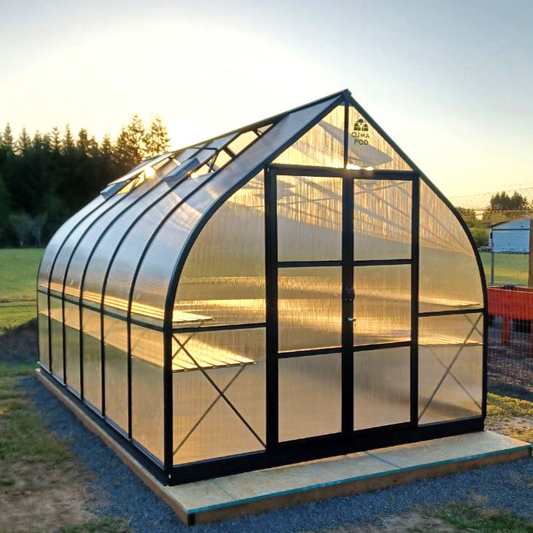
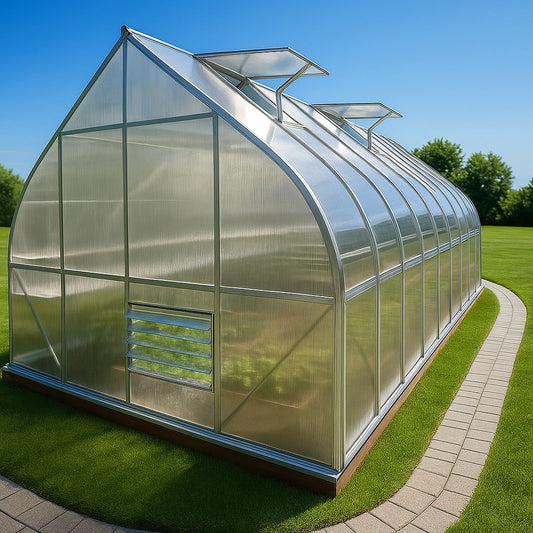
For greenhouse growers, temperature management is equally important. Warm daytime conditions encourage growth, but cool nights can still slow development considerably. Maintaining more stable temperatures often produces steadier growth than allowing large swings between day and night.
What To Watch For

Watch the newest growth rather than the oldest leaves. Fresh leaves should gradually become larger, and new branches should begin forming as temperatures improve. If new growth remains extremely small or distorted, investigate possible nutrient deficiencies, herbicide exposure, or pest damage.
A common mistake is comparing peppers directly with tomatoes planted on the same day. Tomatoes typically establish and grow much faster, while peppers spend more time developing roots before producing rapid top growth.
If plants remain small well into midsummer despite warm weather, healthy roots, and proper watering, check for root crowding, compacted soil, or excessive fruit production. Removing a few developing peppers can sometimes help redirect energy into plant growth.
Healthy pepper plants do not always become large plants. Compact growth is normal for many varieties, particularly ornamental peppers and smaller hot peppers. Focus less on plant height and more on whether the plant is steadily producing healthy leaves, flowers, and fruit over time.
When peppers are green, sturdy, and gradually adding new growth, they are usually on the right track—even if they are growing more slowly than expected. Understanding their preference for sustained warmth helps set realistic expectations and prevents unnecessary interventions.