
Why Tomatoes Crack After Heavy Rain
Short Answer
If your tomatoes suddenly split open after a heavy rain, you're not alone. Cracking usually happens when ripe or nearly ripe fruit absorbs water faster than the skin can stretch. The inside of the tomato expands quickly, but the outer skin can't keep up, causing it to split.
While cracked tomatoes are still edible if harvested promptly, the openings allow insects, mold, and bacteria to enter. The good news is that cracking is usually a weather-related issue rather than a sign of poor plant health, and a few growing practices can greatly reduce how often it happens.
Why It Happens

Tomato fruits are mostly water. During dry weather, fruit growth slows, and the skin gradually becomes less flexible as tomatoes mature. When a soaking rain arrives after several dry days, the roots suddenly take up large amounts of moisture from the soil.
The fruit responds quickly by pulling in that extra water. The flesh inside expands faster than the outer skin can accommodate, creating pressure that causes cracks. This is especially common on large slicing tomatoes, although cherry tomatoes can split as well.
You may notice two common types of cracking. Radial cracking, which means cracks running from the stem toward the bottom of the fruit, is often associated with rapid water uptake after heavy rain. Concentric cracking, which appears as rings around the stem, develops more gradually and is often influenced by fluctuations in moisture, temperature, and fruit maturity.
Not every tomato variety reacts the same way. Some cultivars naturally have thicker or more elastic skins that tolerate changing soil moisture better. Others, especially many heirloom varieties prized for their flavor, tend to crack more easily.
Climate also plays a role. Regions with long dry spells followed by intense thunderstorms often experience more fruit cracking than areas with consistent rainfall. High humidity combined with sudden rain can make the problem even more noticeable during midsummer.
What To Do

Once a tomato has cracked, it won't heal. If the split is fresh and the fruit is nearly ripe, harvest it as soon as possible. Trim away any damaged areas if necessary and use the tomato promptly in salads, sauces, or cooking.
To reduce future cracking, focus on keeping soil moisture as consistent as possible.
- Water deeply and regularly. Consistent irrigation prevents plants from swinging between drought stress and rapid water uptake.
- Apply mulch. A layer of straw, shredded leaves, or untreated wood chips helps slow evaporation and reduces sudden changes in soil moisture.
- Harvest tomatoes as they begin to color. Fruits picked at the breaker stage (the point when the first blush of color appears) can finish ripening indoors and are less likely to split during storms.
- Avoid cycles of severe drying and soaking. Inconsistent watering is one of the biggest contributors to cracked fruit.
- Choose crack-resistant varieties. If splitting is a recurring problem in your climate, selecting varieties bred for crack resistance can significantly improve your harvest.
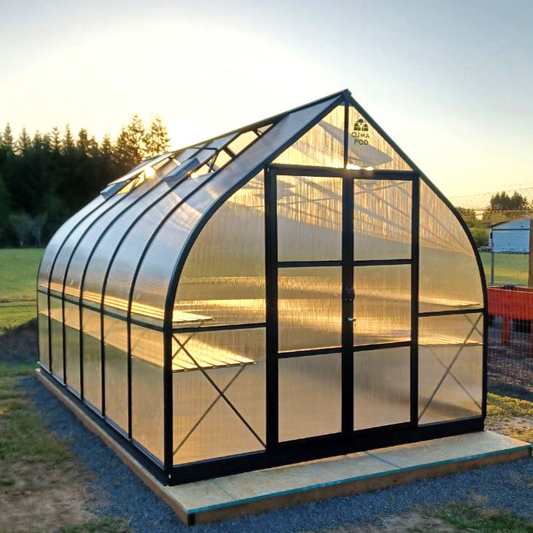
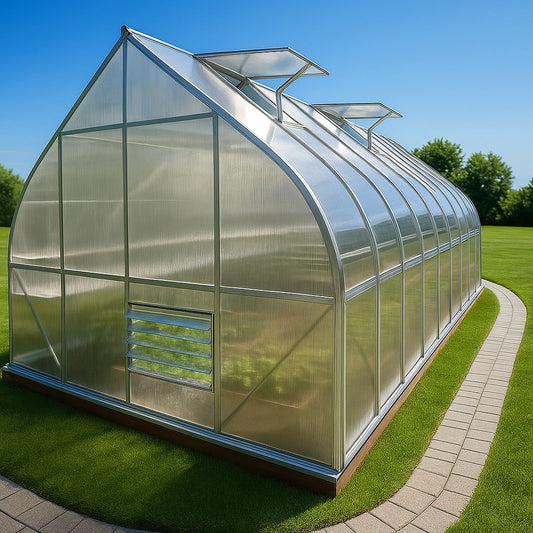
For gardeners growing tomatoes in a greenhouse, cracking is generally less common because irrigation is controlled and rainfall doesn't directly saturate the soil. However, overwatering after allowing containers or beds to become too dry can produce the same result, so consistency remains just as important.
What To Watch For
Small surface cracks usually don't ruin a tomato, but deep splits deserve closer attention. If insects have entered the fruit or mold begins developing inside the crack, it's best to discard the damaged portion or compost the fruit if decay is extensive.
Don't confuse cracking with blossom end rot, which appears as a dark, leathery patch on the blossom end of the fruit. Blossom end rot is primarily linked to inconsistent calcium delivery caused by uneven watering, while cracking results from rapid fruit expansion after sudden moisture increases.
If heavy rain is in the forecast and many of your tomatoes are nearly ripe, consider harvesting them a day or two early. This simple habit often saves more fruit than trying to cover plants during every storm.
Some cracking is almost inevitable in seasons with unpredictable weather, particularly for large heirloom tomatoes. Even experienced gardeners occasionally lose a few fruits after major storms. The goal isn't to eliminate cracking completely but to minimize moisture swings so your plants produce a larger harvest of market-quality tomatoes throughout the season.