
Best Pest-Repelling Plants for Your Garden: Natural Protection Without Chemicals
Modern gardeners from backyard hobbyists to small-scale farmers are increasingly moving away from synthetic pesticides. A more sustainable and surprisingly effective solution lies in nature itself: pest-repelling plants. When used strategically, certain flowers and herbs can protect your crops, improve soil health, and even boost yields. In this guide, we’ll break down how these plants work, which ones to choose, and how to combine them for maximum impact in your garden or greenhouse.
Why Pest-Repelling Plants Work
Pest-repelling plants rely on natural defense mechanisms developed over thousands of years. Many of them produce phytoncides — biologically active compounds that inhibit or repel harmful organisms. These substances often have strong aromas that confuse or deter insects while remaining pleasant to humans.
Some plants go even further by altering the microenvironment around them. They can mask the scent of nearby crops, making it harder for pests like aphids or beetles to locate their host plants. Others attract beneficial insects (such as lady beetles and parasitic wasps) that actively prey on pests.
This creates a balanced ecosystem where pest populations are naturally controlled rather than eliminated. The result is a healthier, more resilient garden that requires fewer chemical interventions.
Best Flowers That Protect Your Garden

Flowering plants are among the most effective and visually appealing pest deterrents. When integrated into garden beds, they act as both protectors and pollinator magnets.
- Marigolds are widely known for suppressing soil-borne pests like nematodes and deterring thrips and certain caterpillars.
- Calendula (pot marigold) helps control aphids and attracts beneficial insects that prey on soft-bodied pests.
- Nasturtiums act as a trap crop, drawing pests like aphids and beetles away from vegetables such as tomatoes and cucumbers.
- Daisies contribute to overall pest balance by supporting beneficial insect populations.
Protective Herbs and Their Benefits

Aromatic herbs are powerful allies in pest management. Their essential oils play a key role in repelling insects and supporting plant health.
Basil is especially effective when planted near tomatoes, where it helps repel whiteflies and aphids while enhancing growth conditions. Dill attracts beneficial insects such as ladybugs and hoverflies, which feed on common pests. Mint, with its intense aroma, deters ants and aphids, though it should be contained to prevent spreading. Lavender repels moths and certain flying insects while adding structure and fragrance to the garden.
Unlike chemical treatments, these herbs work continuously and become more effective as they mature.
How to Combine Plants Effectively

Success with pest-repelling plants depends on thoughtful placement. Random planting will not deliver consistent results, but a structured approach can significantly improve protection.
Use perimeter planting to create a natural barrier around garden beds. Interplant flowers and herbs directly among vegetables to disrupt pest movement and feeding patterns. Crop rotation also plays a role by preventing pest populations from establishing long-term habitats.
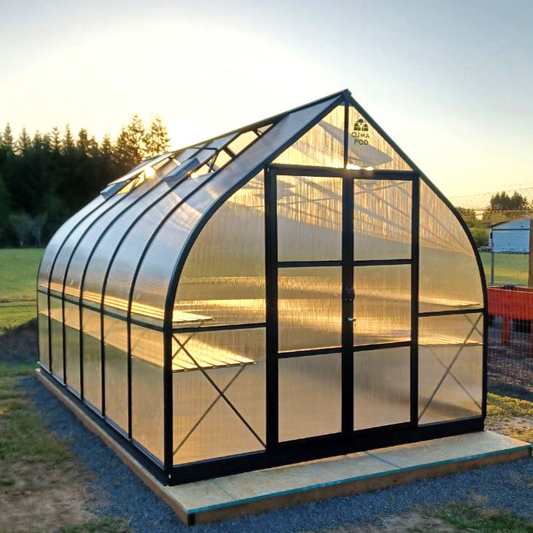
Mixed planting systems (often referred to as companion planting) are especially effective in greenhouses and raised beds, where space is limited but environmental control is higher.
Key Benefits of Natural Pest Control
Using pest-repelling plants offers more than just protection. It transforms the entire growing system into a healthier, more productive environment.
First, it reduces or eliminates the need for chemical pesticides, making your garden safer for people, pets, and pollinators. Second, it supports biodiversity by attracting beneficial insects that stabilize the ecosystem. Third, it enhances the visual appeal of your garden, turning functional beds into vibrant landscapes.
Over time, these benefits compound. Healthier soil, stronger plants, and balanced insect populations lead to more consistent yields and fewer crop losses.
Why Plant Quality Matters
The effectiveness of pest-repelling plants depends heavily on their health and vigor. Weak or stressed plants produce fewer essential oils and phytoncides, reducing their protective capabilities.
High-quality seeds and transplants establish faster, develop stronger root systems, and are more resilient to environmental stress. This is particularly important in controlled environments like greenhouses, where plant density is higher and pest outbreaks can spread quickly.
Investing in quality planting material ensures that your natural pest control strategy performs reliably throughout the growing season.
Final Thoughts
Pest-repelling plants offer a practical, science-backed alternative to chemical pest control. By combining flowers, herbs, and vegetables in a thoughtful layout, you can create a self-regulating garden ecosystem that protects itself.
Whether you're growing in a backyard or a greenhouse, this approach improves plant health, supports pollinators, and enhances overall productivity. With the right plant combinations and careful planning, your garden becomes not just a place to grow food but a balanced, thriving environment.