
How Farmers Use Greenhouses to Get to Market Earlier
For many growers, the difference between a profitable season and a disappointing one often comes down to timing. Getting crops to market even a few weeks earlier can mean higher prices, less competition, and stronger relationships with buyers who are eager for fresh, local produce after winter. As weather patterns become less predictable and growing seasons shift across the United States, more farmers are turning to greenhouse growing as a practical way to stay ahead. Understanding how early production works can give you a real advantage before the main season even begins.
Why Getting to Market Early Matters
In farming, timing often matters as much as yield. The first growers to offer fresh produce in spring can command significantly higher prices because supply is limited and demand is strong. This is especially true at farmers markets, CSA programs (Community Supported Agriculture), and local grocery accounts.
Early harvests also help farmers spread out their income. Instead of relying only on peak summer sales, they begin generating revenue weeks earlier, improving cash flow and reducing financial pressure later in the season.
How Greenhouses Enable Earlier Harvests
A greenhouse works by trapping solar energy: sunlight enters through the covering, warms the soil and air, and is retained inside. This creates a warmer and more stable growing environment compared to outdoor conditions.
For farmers, this means they can start planting earlier in late winter or very early spring, even when outdoor soil is still too cold or frozen. Crops grow faster because they are protected from frost, wind, and temperature swings.
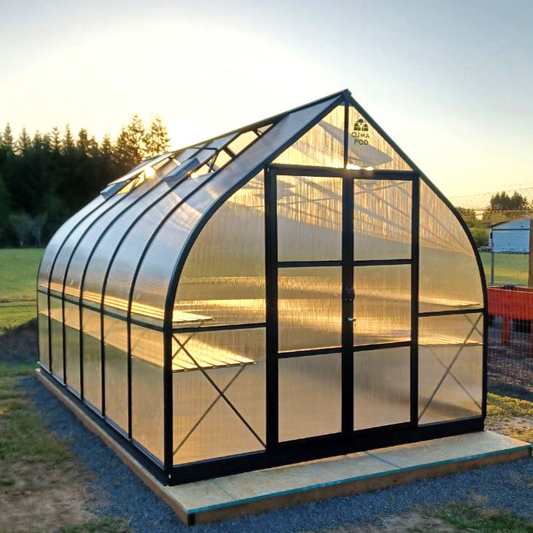
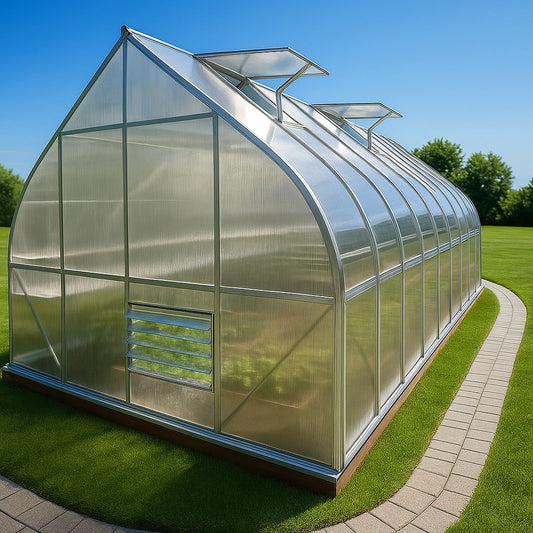
Even unheated structures, often called “cold houses” or “high tunnels,” can raise temperatures enough to give plants a head start of several weeks. Heated greenhouses extend this advantage even further, sometimes allowing year-round production.
Key Techniques Farmers Use for Early Production

Starting Transplants Early
Many farmers begin by growing transplants (young plants started from seed indoors or in a greenhouse) weeks before outdoor planting is possible. This gives crops a strong head start.
Instead of sowing directly into the field, farmers transplant established seedlings once conditions improve. This can shave two to four weeks off the production timeline.
Soil Warming and Bed Preparation
Farmers often prepare beds inside greenhouses well in advance. By covering soil with plastic mulch or landscape fabric, they trap heat and accelerate warming.
Warmer soil leads to faster root development, which directly impacts plant growth speed and earlier harvests.
Using Row Covers Inside Greenhouses
Row covers are lightweight fabric sheets placed over crops to provide additional protection. Inside a greenhouse, they create a “greenhouse within a greenhouse.”
This extra layer can increase temperatures by several degrees, protecting crops during cold nights and pushing growth even earlier.
Succession Planting
Succession planting means sowing crops in intervals rather than all at once. Farmers stagger plantings every one to two weeks to ensure a continuous harvest.
This approach helps maintain early market presence instead of having a single short harvest window.
Best Crops for Early Market Sales
Not all crops benefit equally from early greenhouse production. Farmers focus on high-value, fast-growing crops that thrive in cooler conditions.
- Leafy greens: lettuce, spinach, arugula, kale
- Root crops: radishes, baby carrots, turnips
- Herbs: cilantro, parsley, dill
- Early fruiting crops: tomatoes and cucumbers (in heated systems)
Leafy greens are especially popular because they grow quickly and tolerate lower light levels in late winter and early spring.
Regional Differences Across the US
Greenhouse strategies vary widely depending on climate. In northern states like Minnesota or Maine, growers rely heavily on protected structures to overcome long winters and short growing seasons.
In milder regions such as the Pacific Northwest or parts of the Southeast, farmers may use unheated greenhouses to maintain nearly continuous production through winter. In the Southwest, the challenge shifts from cold protection to managing heat and ventilation.
Understanding local frost dates (average dates of the last spring freeze) is critical. Farmers plan greenhouse planting schedules based on these regional benchmarks.
Costs, Risks, and Tradeoffs
While early production can increase profits, it also requires investment and careful management. Greenhouses involve upfront costs for materials, site preparation, and sometimes heating systems.
Operating costs can include irrigation, ventilation, and fuel for heating. Labor is also higher, especially during early-season planting and monitoring.
There is also risk. Extended cloudy periods can slow growth, and temperature mismanagement can damage crops quickly. Farmers must actively monitor conditions rather than relying on outdoor resilience.
Common Mistakes to Avoid
- Planting too early without sufficient light, leading to weak, stretched plants
- Overwatering in cool conditions, which increases disease risk
- Poor ventilation, causing humidity buildup and fungal problems
- Ignoring soil fertility, assuming protection alone ensures growth
One of the biggest misconceptions is that a greenhouse automatically guarantees success. In reality, it requires more attention to detail than outdoor growing.
How Small Growers Can Get Started
Backyard growers and small-scale farmers don’t need large or expensive systems to benefit from earlier harvests. A simple unheated greenhouse or high tunnel can make a noticeable difference.
Start with cold-hardy crops like lettuce and spinach, and experiment with planting dates. Keep records of what works in your specific climate, as local conditions can vary even within the same region.
Focus on consistency rather than scale. Producing a steady supply of early crops often matters more than producing a large quantity all at once. Over time, growers can expand their setup as they gain confidence and experience.
Used wisely, greenhouse growing is less about technology and more about timing. Farmers who understand how to manage temperature, light, and planting schedules can consistently reach the market earlier, and turn that advantage into reliable income.