
Why Garden Weeds Grow Faster Than Vegetables
Short Answer
Weeds often seem to appear overnight and outgrow your vegetables almost immediately because they are exceptionally well adapted to taking advantage of disturbed soil, available moisture, sunlight, and nutrients. Many common weeds are fast-growing annuals that put their energy into producing leaves and seeds before your slower-growing crops have established themselves.
That does not necessarily mean something is wrong with your vegetables. In most cases, the difference is a combination of plant genetics, timing, and growing conditions. The key is to control weeds early, before they become large enough to compete seriously with your crops.
Why It Happens

Garden weeds are opportunists. When you cultivate or dig a bed, you expose soil, release space around existing plants, and often bring dormant weed seeds closer to the surface. Add warmth and moisture, and weeds can germinate quickly.
Many vegetables are slower at the beginning. A tomato transplant may spend its first weeks developing roots and adjusting to its new location, while a weed can immediately produce new leaves and extend its roots into surrounding soil. This is especially noticeable after transplanting, when vegetables are temporarily slowed by transplant stress, the short period when a plant adjusts to being moved and may grow slowly before resuming normal development.
Weeds also have an advantage in competition. A dense stand of weeds can capture sunlight before a small vegetable plant has developed enough foliage to shade the soil. Their roots can also compete for water and nutrients, particularly in shallow or recently prepared beds.
Weather can make the difference even more dramatic. Warm temperatures followed by rain can trigger a flush of weeds across an otherwise clean garden. In hot weather, weeds may continue growing aggressively wherever moisture is available, while some vegetables temporarily slow down during heat stress.
Freshly Worked Soil Is Especially Vulnerable
One of the most frustrating situations is a bed that was carefully weeded only to become green again a week later. Often, those new weeds did not appear because you missed hundreds of plants. Cultivation can expose additional seeds that were already present in the soil.
This is one reason repeated shallow weed removal can sometimes be more effective than repeatedly digging deeply. The goal is to remove young weeds without continually bringing new weed seeds to the surface.
What To Do
The most effective strategy is to deal with weeds while they are small. A weed with a few leaves is much easier to remove than one with an established root system and developing seed heads.
- Weed early. Check vegetable beds regularly, particularly after rain or irrigation. Removing weeds when they are tiny prevents them from becoming established competitors.
- Protect bare soil. A layer of appropriate organic mulch can reduce the amount of light reaching the soil surface and make it harder for many weed seeds to establish. Keep mulch slightly away from vegetable stems to avoid creating excessively damp conditions around the crown.
- Water deliberately. Drip irrigation or targeted watering can supply moisture to crops without repeatedly wetting every inch of the surrounding soil. This will not eliminate weeds, but it can reduce unnecessary favorable conditions between plants.
- Do not let weeds go to seed. Removing a mature weed before it produces seeds can save considerable work in future seasons.
- Give vegetables enough space and light. Healthy, established crops eventually shade more of the soil themselves. Plant spacing that allows good crop development can help the vegetable canopy become part of your weed-management strategy.
For newly transplanted vegetables, avoid judging their health by comparing them directly with nearby weeds. A tomato, pepper, or cucumber that looks small for a couple of weeks may simply be establishing its roots. Pulling weeds around it is usually more useful than trying to make the vegetable grow faster with additional fertilizer.
What To Watch For
A few weeds appearing between vegetables is normal. The situation becomes more important when weeds begin forming a continuous canopy, crowd young crops, or remain tall enough to shade vegetables for much of the day.
Pay particular attention after periods of rain, irrigation, or warm weather. These conditions often produce a new flush of seedlings, especially in recently cultivated beds.
Also watch the vegetables themselves. If young plants remain small, develop pale foliage, wilt more readily than expected, or seem unable to recover after watering, weed competition may be part of the problem. However, those symptoms can also result from transplant stress, poor root development, inadequate light, pests, disease, or unsuitable soil conditions.
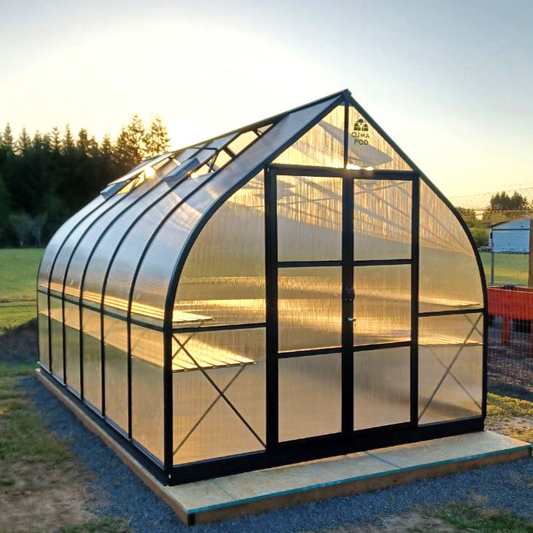
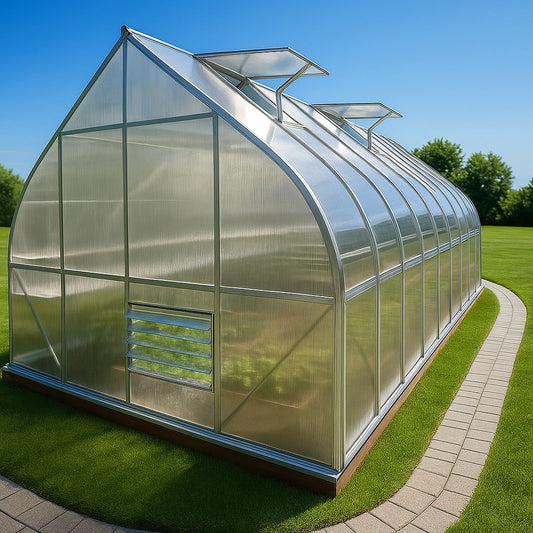
Greenhouses can reduce some outdoor weed pressure, particularly when plants are grown in clean containers or raised beds with controlled growing media, but they do not make weeds disappear. Weed seeds can still arrive in soil, compost, potting mixes, tools, shoes, or through open doors and ventilation. Warm greenhouse conditions can actually make any weeds that do establish grow very quickly.
The realistic goal is not a perfectly weed-free garden. It is to keep weeds from becoming large enough to compete with your vegetables or produce the next generation of seeds. Once your crops are established and their foliage begins covering the soil, weed management generally becomes easier.

Bottom Line
Weeds do not necessarily grow faster because your vegetables are unhealthy. They are simply very good at exploiting open soil, warmth, moisture, sunlight, and available resources.
Remove them when they are small, avoid unnecessarily disturbing the soil, protect bare ground with mulch where appropriate, and give transplanted vegetables time to establish. In most gardens, consistent early intervention matters far more than trying to eliminate every weed throughout the entire growing season.