
What Causes White Crust on Potting Soil?
Short Answer
White crust on potting soil is usually a buildup of mineral salts left behind after water or fertilizer evaporates. In many cases, it is not a disease and it does not mean the plant is failing. It is a sign that something in the watering or feeding routine is concentrating at the soil surface.
Sometimes the white layer is simply hard-water residue. In other cases, it can be fertilizer salt, lime, or, less often, a harmless surface mold if the texture looks fuzzy rather than crusty. The plant may be fine, but the condition is worth checking because it often points to watering habits that can cause trouble later.
Why It Happens

Potting mix is not the same as garden soil. Potting mix is the lightweight growing medium used in containers, and it drains and dries much faster than in-ground soil. When water moves through a pot and then evaporates from the top, it leaves dissolved minerals behind. The same thing happens when fertilizer is applied too often or too strongly: the unused portion can collect near the surface as a white film or crust.
Hard water is a common cause. Hard water means water with a high mineral content, especially calcium and magnesium. Those minerals can build up over time, especially in small pots, shallow containers, and greenhouse setups where evaporation is strong.
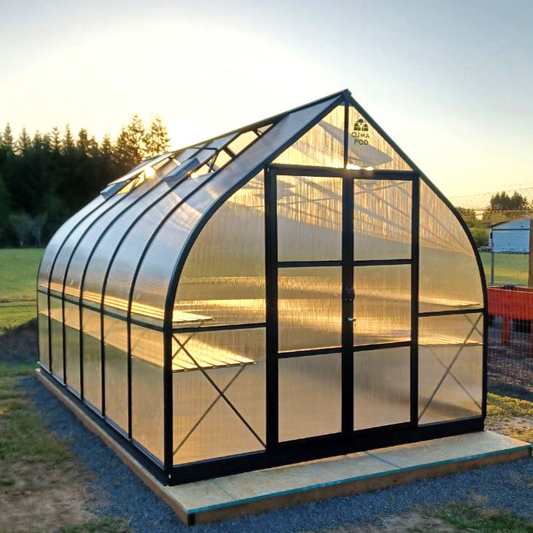
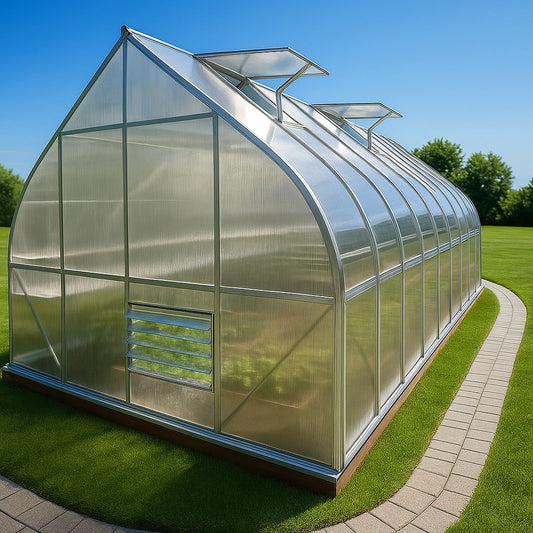
Warm windowsills, sunny patios, and hobby greenhouses can speed up the process because they dry the top layer of mix quickly. That does not automatically mean the plant is in danger, but it does mean salts are more likely to concentrate at the surface instead of being washed deeper into the pot.
If the white material is soft, powdery, and spreads in a thin patch rather than forming a crust, it may be surface mold. That usually shows up when the mix stays damp for too long, air movement is poor, and dead organic material sits on top. It is different from salt buildup, though the two are often confused.
What To Do

Start by looking at the texture. If it is hard, crusty, or chalky, treat it as salt or mineral buildup. If it is fluffy or slightly fuzzy, think mold and improve airflow and dryness at the surface.
For salt buildup, gently scrape off the top layer of crust and then water thoroughly until excess drains from the bottom. This matters because a real flushing helps move dissolved salts out of the root zone instead of simply spreading them around. A pot should drain freely; if it cannot, the problem will keep coming back.
Next, adjust the routine rather than just cleaning the surface. Water deeply only when the potting mix has started to dry enough for that plant’s needs. Avoid frequent light watering unless the crop truly requires it. Most container plants do better with a full, even watering followed by a dry-down period appropriate to the species.
If you fertilize regularly, reduce the strength before increasing frequency. A common mistake is to assume pale leaves always mean “more feed,” when the real issue is often salt concentration from too much fertilizer or poor flushing. When in doubt, cut the fertilizer rate and watch how the plant responds over the next few weeks.
If your tap water is very hard, rainwater, filtered water, or a lower-mineral source can reduce repeat buildup. That is especially helpful for houseplants, seedlings, orchids, and any container grown in a greenhouse where evaporation is strong. Repotting may be worthwhile if the potting mix is old, compacted, or badly crusted throughout, not just on top.
What To Watch For
The white crust itself is usually not the main problem. The real warning signs are slower growth, leaf tip burn, brown edges, poor flowering, or a pot that dries unevenly while the surface keeps whitening. Those signs suggest the root zone is taking more stress than the plant can show at first glance.
Watch for crust that returns quickly after watering. That usually means the water source, fertilizer, or watering pattern is still feeding the buildup. If the plant sits in a saucer of runoff, empty it after watering; standing water can keep salts moving back into the mix as the pot dries.
Do not confuse a clean-looking surface with a healthy root zone. A container can look normal from above and still be carrying a lot of mineral residue below the top inch. If the plant is thriving, a light crust is often only a maintenance issue. If the plant is declining, treat the crust as a clue rather than the whole diagnosis.
For greenhouse growers, the pattern can be even more pronounced in summer. Higher heat, faster evaporation, and frequent fertilizer use can make white buildup return quickly, especially in small pots. The fix is usually less about scrubbing the surface and more about rebalancing watering, feeding, and drainage.