
What Tomato Leaf Curl Really Means in Summer
Short Answer
If your tomato leaves begin curling upward or rolling inward during the heat of summer, don't panic. In many cases, especially when the plants remain green, continue flowering, and keep setting fruit, leaf curl is simply the plant's way of reducing water loss during periods of heat or environmental stress.
However, not all leaf curl is harmless. The key is to look beyond the shape of the leaves. Changes in color, stunted growth, distorted new leaves, or signs of pests may point to a more serious problem that deserves attention.
Why It Happens
Tomatoes naturally respond to stressful conditions by curling their leaves. This response helps reduce the amount of leaf surface exposed to the sun, slowing moisture loss through transpiration, the natural process where plants release water vapor from their leaves.
The most common trigger is prolonged hot weather, especially when daytime temperatures climb into the 90s°F or higher. Strong sun, hot winds, and warm nights make it difficult for plants to replace water as quickly as they lose it, even if the soil is reasonably moist.

Watering practices also play a major role. Allowing the soil to become very dry before soaking it heavily can create repeated cycles of water stress. Tomatoes generally perform better with consistent soil moisture than with alternating drought and saturation.
Heavy pruning can contribute as well. Removing too many leaves exposes the remaining foliage to more direct sunlight, increasing heat stress. Similarly, aggressive removal of suckers during hot weather may leave plants temporarily struggling to balance water loss.
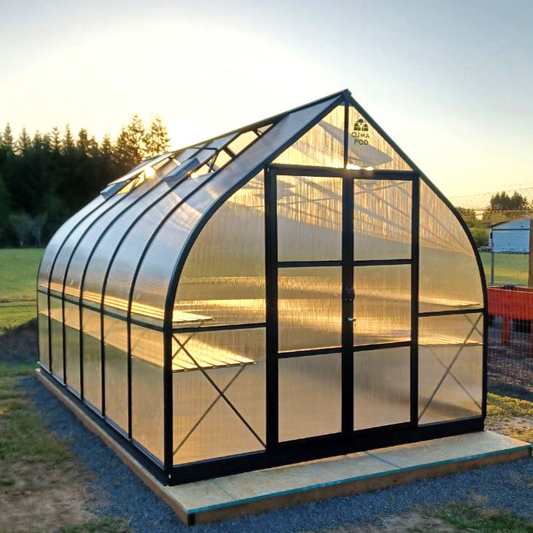
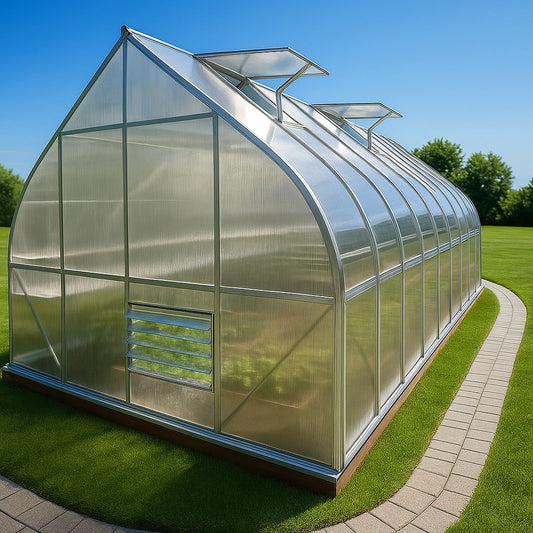
Container-grown tomatoes often show leaf curl sooner than plants growing in garden beds because potting mix heats up and dries out much faster. In greenhouses, high daytime temperatures combined with limited air movement can produce the same response unless ventilation is adequate.
What To Do
Start by evaluating the overall health of the plant rather than focusing only on the curled leaves. A productive tomato with healthy new growth usually needs supportive care rather than drastic intervention.
- Water deeply and consistently instead of applying small amounts every day.
- Apply mulch to help keep soil temperatures cooler and reduce moisture loss.
- Avoid excessive pruning during periods of extreme heat.
- Inspect the undersides of leaves for aphids, mites, or other sap-feeding insects that can also distort foliage.
- If growing in a greenhouse, improve ventilation and increase air circulation during hot afternoons.
- Resist the urge to add extra fertilizer unless a genuine nutrient deficiency has been identified.
Adding more fertilizer is one of the most common mistakes. Curling caused by heat or moisture stress is rarely corrected by additional nutrients. Excess nitrogen may even encourage lush new growth that requires even more water during hot weather.
What To Watch For

Harmless physiological leaf curl usually affects older leaves first. The foliage stays green, stems continue growing, and fruit development proceeds normally.
Be more concerned if you notice curled leaves together with yellowing, mosaic-like patterns, severe twisting of new growth, or plants that stop growing altogether. These symptoms may indicate viral diseases, herbicide drift, or significant pest infestations rather than ordinary summer stress.
Weather changes also matter. After a cooler spell or several days of moderate temperatures, mildly curled leaves often flatten somewhat, although they may never return completely to their original shape. New growth produced under better conditions is typically more normal.
Ultimately, tomato leaf curl is best interpreted as one piece of the plant's overall condition rather than a diagnosis by itself. Healthy growth, steady flowering, and developing fruit are usually reassuring signs that your tomatoes are adapting successfully to summer rather than failing because of it.