
Why Cucumber Leaves Wilt in the Afternoon but Recover at Night
Short Answer
If your cucumber plants droop during the hottest part of the day but look perfectly healthy again by evening or the next morning, they're often responding to temporary heat stress rather than suffering from a serious problem.
This daily cycle happens because the leaves lose water faster than the roots can replace it during periods of intense sun and heat. As temperatures cool, water movement catches up, the leaves regain their firmness, and the plant recovers naturally.
Why It Happens

Cucumbers have large, thin leaves that lose moisture quickly on hot days. Through a process called transpiration (the natural release of water vapor from tiny pores in the leaves) the plant cools itself much like perspiration helps cool people.
When sunlight, air temperature, and wind increase, transpiration speeds up. Sometimes the roots simply cannot absorb water as quickly as the leaves are losing it, even when the soil still contains adequate moisture. The leaves temporarily lose internal water pressure, called turgor pressure, which is the firmness created when plant cells are filled with water. As turgor pressure drops, the leaves wilt.
Once temperatures begin to fall in the late afternoon or evening, transpiration slows. The roots have time to replace the lost moisture, turgor pressure returns, and the leaves stand back up.
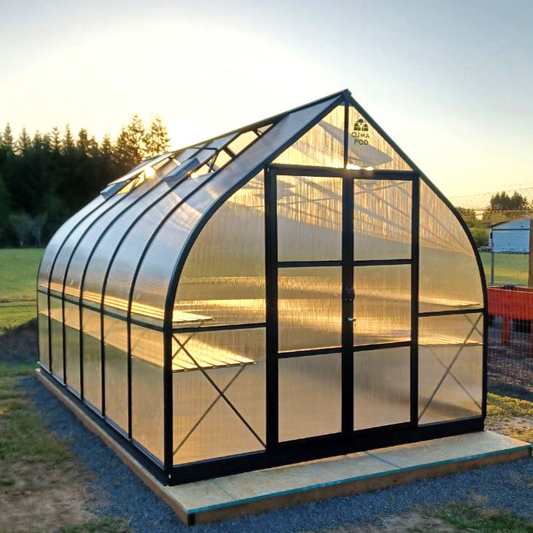
This pattern is especially common during midsummer heat waves, after rapid vine growth, or when plants are carrying a heavy crop of cucumbers. Greenhouse-grown cucumbers may show the same behavior even earlier in the day because enclosed spaces often become much warmer than the outside air.
What To Do

The first step is to observe when the wilting occurs. If plants recover fully by sunset or early the next morning, the condition is usually normal and does not require emergency watering.
- Check soil moisture a few inches below the surface before watering.
- Water deeply in the morning so roots have access to moisture before the hottest part of the day.
- Apply mulch to reduce evaporation and keep the root zone cooler.
- Avoid shallow daily watering, which encourages roots to remain near the surface where soil dries quickly.
- If growing in a greenhouse, improve ventilation during hot afternoons to reduce heat buildup.
Deep, consistent watering encourages cucumber roots to grow farther into the soil, where moisture changes more slowly than at the surface.
What To Watch For
Temporary afternoon wilting is usually harmless, but wilting that continues overnight deserves closer attention.
If the leaves remain limp the following morning, the problem may be something more serious. Dry soil, damaged roots, bacterial wilt, root rot, or stem injuries can all prevent the plant from moving enough water to its leaves.
Watch for additional warning signs such as yellowing leaves, dark or mushy stems, rapidly spreading wilt on individual vines, or plants that fail to recover after cooler temperatures arrive. These symptoms suggest the issue is more than normal heat stress.
A common mistake is watering every time the leaves droop in the afternoon without checking the soil first. Constantly saturated soil can reduce oxygen around the roots, making it harder for plants to absorb water over time.
In most gardens, cucumber plants that wilt briefly during hot afternoons but recover each evening are simply responding to the weather. Good soil moisture, mulch, and consistent watering habits usually allow them to continue flowering and producing healthy fruit throughout the season.