
30 Essential Tasks for Your Garden, Greenhouse & Landscape in December
December brings shorter days, colder nights, and a slower pace for most gardeners and homesteaders across the U.S. While many outdoor chores move indoors, there’s still plenty you can do to protect your plants, maintain your greenhouse, and prepare for a strong growing season ahead.
Whether you're in USDA Zone 3 dealing with deep frost or Zone 9–10 where mild winter gardening continues, this checklist will help you stay organized and ahead of winter challenges.

10 Key December Tasks for Your Garden
1. Prepare hardwood cuttings
Before deep cold arrives, take hardwood cuttings from apples, pears, plums, cherries, and other fruiting plants. Bundle, label, and store them in damp sand in a cold garage or refrigerator. Check monthly for mold and trim damaged tissue if needed.
2. Protect trees and shrubs from rodents
Use hardware cloth guards around trunks, compact snow lightly around bases in snowy regions, or apply repellents where voles, mice, and rabbits are active.
3. Stratify stone fruit seeds
For growers who start trees from seed, December is the time to cold-stratify cherry and plum pits. Mix with damp sand and store at 37–41°F (3–5°C) for several months.
4. Inspect and prune hardy shrubs
On milder December days, prune broken or diseased branches on hardy shrubs (viburnum, barberry, currants, gooseberries). Seal large cuts if needed.
5. Use snow strategically
Brush heavy, wet snow off branches to prevent breakage. Pile dry snow lightly around young trees and shrubs to insulate roots—do not compact it.
6. Remove overwintering pests
Look for egg masses and cocoons of winter moths, tent caterpillars, and other pests. Remove and destroy them before spring hatch.
7. Check grapevines and trellises
Inspect support wires, repair damaged posts, and ensure vines are securely covered in colder regions. Add snow for insulation where possible.
8. Repair tools and equipment
Sharpen pruners, clean garden tools, replace broken parts, and repair hoses and irrigation components before spring rush begins.
9. Set up bird feeders
Feeders help attract pest-eating birds to your landscape. Use quality seed blends and clean feeders regularly to prevent disease.
10. Remove old or hazardous trees
Winter is a safe time to remove dead or dangerous trees. Call a certified arborist if you’re unsure.

10 Important December Tasks for Your Vegetable Garden
1. Plan your crop rotation
Sketch a simple map of your garden beds to help maintain healthy rotations next season.
2. Start a winter windowsill garden
Herbs, microgreens, and even compact tomatoes or peppers can thrive indoors under lights.
3. Take inventory of your seeds
Review what you have, note expiration dates, and reorder early—popular varieties sell out fast.
4. Check stored produce
Inspect winter squash, potatoes, onions, and canned goods. Remove anything spoiled to prevent spread.
5. Collect compostable kitchen scraps
Coffee grounds, banana peels, eggshells, and vegetable scraps make excellent compost material through winter.
6. Maintain your compost pile
Add new material, turn the pile, and insulate it with leaves or straw to keep microbes active.
7. Gather containers for spring seedlings
Save nursery pots, egg cartons, and small containers for seed starting in February–March.
8. Grow fresh sprouts
Sprouts and microgreens are nutrient-dense winter foods. Soak seeds, rinse daily, and harvest at 3–5 inches.
9. Inspect your greenhouse
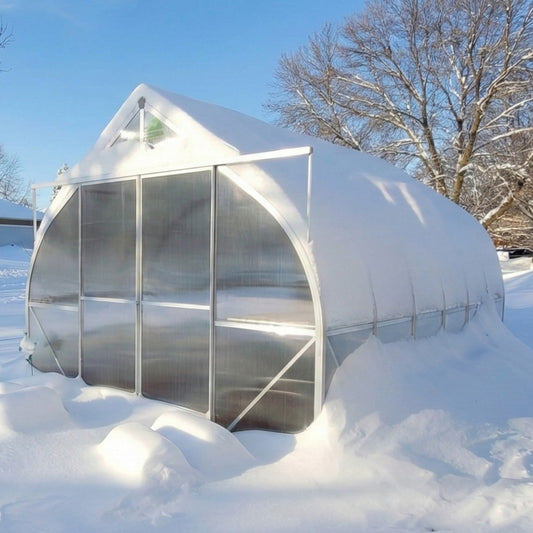
Brush snow off polycarbonate, check for condensation, repair loose panels, and add temporary supports during heavy snow periods.
10. Grow winter greenhouse crops
In heated greenhouses, sow fast cucumbers, greens, herbs, and microgreens. Provide grow lights for tomatoes, peppers, and eggplants.

10 Must-Do December Tasks for Your Flower Beds & Landscape
1. Prepare seed-starting trays and soil mixes
Clean containers and mix seed-starting soil using compost, peat or coir, and garden loam.
2. Start slow-growing flowers
Sow lavender, echinacea, lobelia, begonia, primrose, and other long-season flowers indoors.
3. Force bulbs for winter blooms
Start hyacinths and narcissus early for late-winter indoor blooms. Adjust temperature as buds develop.
4. Inspect stored bulbs
Check dahlias, gladiolus corms, and begonia tubers monthly. Remove rotting sections and dust cuts with charcoal.
5. Collect evergreen boughs for protection
Use pest-free pine or fir branches to shield tender perennials during cold, snowless spells.
6. Wrap young tree trunks
Protect from winter sunscald and rodent damage using breathable tree wraps or burlap.
7. Redistribute snow
Shake off heavy wet snow from shrubs; use dry snow to insulate perennials. Break ice crusts to prevent plant suffocation.
8. Care for evergreens
Lightly tie upright evergreens to prevent snow breakage. In windy zones, use burlap screens.
9. Protect bulbs from rodents
In areas with vole issues, place repellents or hardware cloth around tulips, crocus, and other bulbs.
10. Add supplemental light to orchids
Orchids need 12+ hours of light to bloom well in winter. Use LED grow lights and reduce watering during short days.
Staying active in December keeps your garden healthy, your greenhouse efficient, and your spring workload lighter, no matter where you live in the U.S.