
Common Seedling Growing Mistakes and How to Avoid Them
Growing vegetables and flowers from seedlings is one of the most satisfying parts of gardening. For beginners, it may seem simple: plant seeds, water them, and wait. In practice, many gardeners face the same problems every season: seeds don’t sprout, seedlings collapse, or plants stretch thin and weak. Understanding what goes wrong is the fastest way to grow healthier seedlings and protect your future harvest.
Poor-Quality Seeds

The first potential mistake happens before planting even begins. Low-quality or poorly stored seeds often result in low germination or weak seedlings (read Best Seed Germination Methods here). Saving money on unknown seed sources frequently costs more in lost time and space.
Seeds lose viability when stored in warm, humid, or extremely dry conditions. For most garden crops, ideal storage means cool, dry conditions around 50°F (10°C) with moderate humidity. Even good seeds decline over time, so always check seed age before sowing.
Using the Wrong Soil

Garden soil or leftover potting mix is one of the most common causes of seedling failure. Outdoor soil often contains pests, fungal spores, and bacteria that attack tender roots.
Avoid low-quality soil because it may:
- harbor insect larvae and soil-borne diseases
- retain too much water or drain poorly
- lack nutrients needed for early growth
- compact easily, suffocating young roots
Seedlings need a light, sterile, well-draining seed-starting mix. Many US gardeners use commercial seed-starting blends or create their own using compost, peat or coco coir, and coarse sand or perlite.
Inappropriate Containers

Container size matters more than many gardeners realize. Deep or oversized containers hold excess moisture, which leads to sour soil and root rot. Shallow trays work better for early stages.
Best container practices:
- Large seeds grow best in individual pots or cells
- Small seeds prefer shallow, wide trays
- Transplant seedlings before roots become crowded
Overcrowded seedlings compete for light and nutrients, increasing the risk of fungal diseases like damping-off (a disease that causes young seedlings to collapse at the soil line).
Incorrect Pre-Sowing Seed Preparation

Different crops have different germination needs. Some seeds benefit from soaking, others need cold stratification (a chilling period that mimics winter), and some require scarification, which means lightly damaging the seed coat to allow water in.
Skipping these steps often leads to uneven sprouting or weak plants. However, overdoing treatments (especially with fungicides or growth stimulants) can damage the seed embryo. Always follow label directions carefully.
Missing the Correct Sowing Dates

Sowing too early is one of the most common beginner mistakes in the US. Early seedlings often stretch due to low winter light and become difficult to transplant.
Sowing time depends on:
- your USDA growing zone
- crop type and variety
- expected outdoor planting date
- available light and temperature indoors
Late sowing can also reduce yields by shortening the growing season. Using grow lights or a controlled greenhouse environment allows more flexibility and healthier timing.
Seedling Care Mistakes After Germination

Temperature, light, water, and nutrients must stay balanced. Warm, dry rooms cause seedlings to stretch, while cold, wet conditions slow growth.
Overwatering leads to root disease, while underwatering stresses young plants that cannot store moisture yet. Fertilizer should be applied lightly, too much causes leaf burn or excessive leafy growth at the expense of roots and fruit.
How a Greenhouse Helps Prevent Seedling Problems

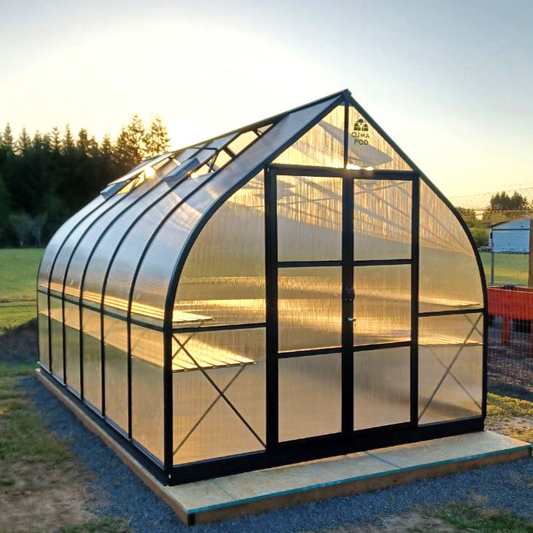
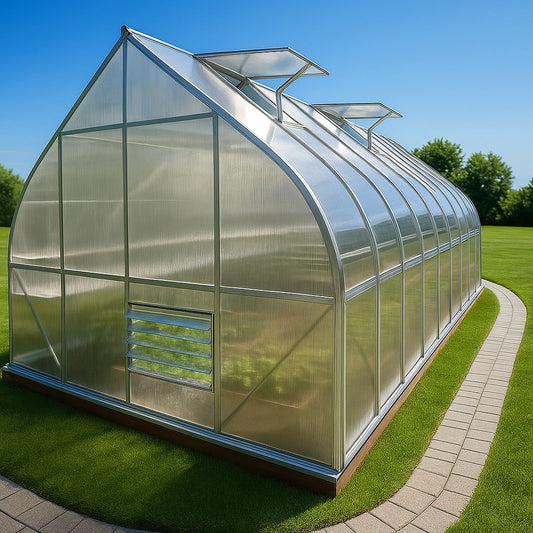
A greenhouse provides stable temperature, protection from drafts, and better light conditions during early spring. For many gardeners, even a compact backyard greenhouse makes seedling care far more predictable.
Modern polycarbonate greenhouses, such as insulated hobby structures, help regulate temperature and humidity while protecting seedlings from sudden weather swings. This controlled environment reduces common mistakes like overwatering, cold stress, and poor light exposure.