
Greenhouse Gardening in Winter: Complete Beginner’s Guide
Winter may seem like a slow season for gardening, but with a greenhouse, it’s possible to keep growing fresh produce year-round. Even in the coldest months, a well-managed greenhouse provides protection from frost, wind, and heavy snow, creating a stable environment for cold-hardy crops. This guide will walk you through everything beginners need to know to plan, maintain, and succeed in a winter greenhouse across different US climates.
Why Garden in a Greenhouse During Winter?
Winter greenhouse gardening is about protection and control, not forcing summer crops to grow in freezing weather. A greenhouse creates a buffered environment that shields plants from wind, frost, and extreme temperature swings.
For many growers, winter growing means fresh greens, herbs, and hardy vegetables at a time when outdoor beds are frozen or covered in snow. It also allows gardeners to stay active, maintain soil health, and prepare transplants for spring.
How Winter Greenhouses Actually Work
A winter greenhouse works by capturing solar energy during the day and slowing heat loss at night. Sunlight enters through transparent or translucent panels, warming the air, soil, and structural materials inside.
This stored warmth is gradually released after sunset, keeping temperatures higher than outside. Insulation, thermal mass, and airflow management all play a role in how effective this process is.

What “Thermal Mass” Means
Thermal mass refers to materials that absorb and store heat, such as soil, water barrels, stone, or concrete. During the day, these materials warm up; at night, they release heat slowly, helping stabilize temperatures.
Choosing the Right Greenhouse for Winter Use
Not all greenhouses perform equally in winter. The structure, covering material, and sealing quality determine how much heat is retained. Comparing Total Cost of Ownership (TCO) for Greenhouses in the USA.
Greenhouse Covering Materials
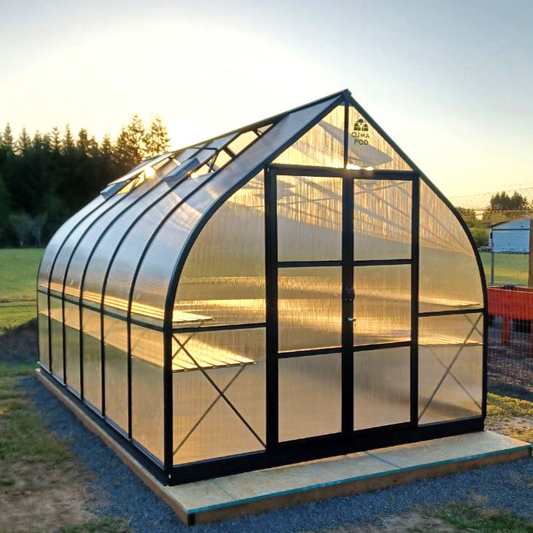
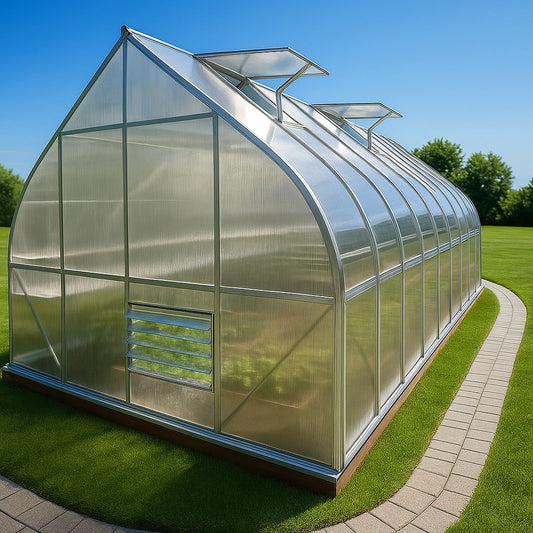
- Polycarbonate panels: Durable, insulating panels that diffuse light and reduce heat loss.
- Glass: Excellent light transmission but higher heat loss and breakage risk.
- Plastic film: Affordable but offers less insulation and shorter lifespan.
Size and Shape Considerations
Smaller greenhouses are easier to heat but cool down faster. Taller structures allow better air circulation but may require more energy to maintain temperature.
Managing Temperature in Winter
Temperature management is the biggest challenge for beginners. Most winter crops prefer daytime temperatures between 45–65°F and nighttime temperatures above freezing.
Heating Options Explained
- Passive heating: Relies on sunlight and thermal mass only.
- Supplemental heating: Uses electric, propane, or natural gas heaters during cold spells.
Many growers use a combination, relying on passive heat most days and supplemental heat during extended cold periods.
Light and Daylength in Winter Greenhouses
Winter sunlight is weaker and days are shorter, especially from November through February. Even in a greenhouse, light can become a limiting factor.
Most leafy greens and herbs tolerate low light, while fruiting crops struggle without supplemental lighting. Keeping glazing clean and avoiding shade from nearby trees or buildings makes a noticeable difference.
Watering and Humidity Control
Plants use less water in winter because growth slows and evaporation decreases. Overwatering is a common beginner mistake.
High humidity can encourage fungal diseases, so ventilation is essential even in cold weather. Briefly opening vents on sunny days helps exchange moist air without losing too much heat.
What You Can Grow in a Winter Greenhouse
Winter greenhouses favor cold-tolerant crops rather than heat-loving plants.
Reliable Winter Crops
- Leafy greens such as spinach, kale, and lettuce
- Herbs like parsley, chives, cilantro, and thyme
- Root crops including carrots, beets, and radishes
These plants grow slowly but steadily and often improve in flavor after light cold exposure.
Regional Differences Across the United States
Winter greenhouse strategies vary widely by region. In milder southern areas, greenhouses may only need frost protection. In northern climates, insulation and backup heat become essential.
Snow load, wind exposure, and winter sunlight angles should all be considered when planning a greenhouse setup.
Common Beginner Mistakes to Avoid
- Trying to grow tomatoes or peppers without enough heat and light
- Overwatering dormant or slow-growing plants
- Ignoring ventilation due to cold temperatures
- Assuming a greenhouse stays warm without monitoring
Winter success comes from observation and gradual adjustments rather than rigid schedules.
Understanding Costs, Effort, and Expectations
Winter greenhouse gardening requires some investment of time and resources, but it does not have to be expensive. Many growers start with minimal heating and focus on hardy crops.
The biggest payoff is consistency: steady harvests, healthier soil, and confidence gained from growing year-round. With realistic expectations, winter greenhouse gardening becomes a practical extension of the growing season rather than a struggle against the cold.