
Do Plants Really Need Full Sun All Day?
Short Answer
No. "Full sun" in gardening terms means six or more hours of direct sunlight a day, not twelve, and not every plant even wants that much. Some crops thrive on six hours and start showing stress past eight. The all-day-sun rule works for a narrow slice of high-output vegetables, and gardeners have stretched it into a blanket law it was never meant to be.
Why People Believe This
The confusion starts with the label itself. Seed packets and plant tags use "full sun" as shorthand, and shorthand gets flattened over time. A tomato tag says full sun, a tomato does well in a sunny yard, and somewhere in the retelling that becomes "more sun is always better" for anything green.
There's a kernel of real experience behind it, too. Vegetable gardening took off in backyards built around a handful of high-yield crops: tomatoes, peppers, squash, corn. Those plants genuinely do want long, strong sun exposure to fruit well. When a new gardener's first plants are all from that group, the lesson they learn is "sun equals success," and they apply it to everything else they grow next, including hostas, ferns, and lettuce that would rather not sit in noon light at all.
Add in a widespread, easy-to-repeat idea that light is basically food for plants, and the leap to "unlimited food is best" feels intuitive even when it's wrong.
What Actually Happens
Photosynthesis has a ceiling. Past a certain light intensity, a plant's internal machinery can't process any more, no matter how much sun keeps hitting the leaves. Beyond that point, more light doesn't mean more growth. It means more heat, more water loss, and more stress the plant has to manage instead of use.
"Full sun" on a plant tag typically means six to eight hours of direct light. "Partial sun" or "partial shade" usually means three to six hours, often with protection during the hottest stretch of the afternoon. "Full shade" means less than three hours of direct light, filtered or dappled the rest of the day. These aren't arbitrary categories. They reflect how a species evolved, whether as a prairie plant built for open exposure or an understory plant built to live beneath a tree canopy.
Leaf structure gives away the difference at a glance. Sun-adapted leaves tend to be thicker, smaller, and often lighter green, built to handle intense light without scorching. Shade-adapted leaves run larger, thinner, and darker green, built to catch every available photon in low light. Force a shade plant into all-day sun and its leaves can bleach, curl, or develop dry brown patches. That's sunscald, not the plant "toughening up."
Heat compounds the problem. Intense afternoon sun raises leaf and soil temperature well past what light alone would explain, and a plant loses water through its leaves faster than its roots can replace it. Wilting in the 2 p.m. sun doesn't always mean the soil is dry. Sometimes it means the plant is pulling back, closing its stomata to conserve water, and it'll recover fine once the sun swings lower.
When It Might Be True
For a specific group of plants, more sun really is better, up to that six-to-eight-hour full-sun mark. Fruiting vegetables like tomatoes, peppers, eggplant, and squash convert strong light into sugar, and that sugar becomes fruit. Skimp on their sun and you'll get a leafy plant with disappointing yield. Most flowering annuals and roses fall in the same camp: they bloom harder with more light, at least until regional heat becomes the limiting factor rather than light itself.
Climate changes the math, too. A "full sun" recommendation written for the Pacific Northwest and one written for Arizona or Texas aren't asking for the same thing. In milder, cloudier regions, plants can often handle more direct exposure than their tag suggests, because the ambient heat rarely pushes them into real stress. In hot, high-UV regions of the Southwest and Southern California, the same plant may need afternoon shade to avoid scorching even while technically meeting its six-hour sun requirement in the morning.
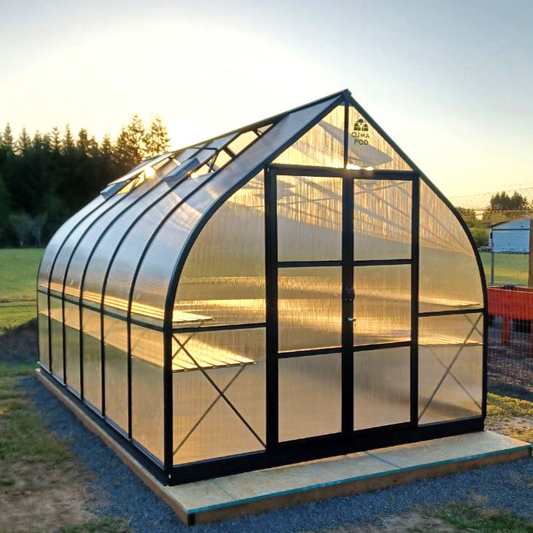
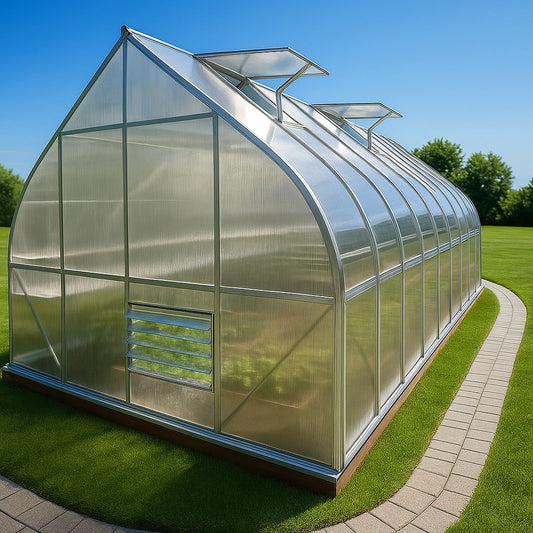
Greenhouse growers run into a tighter version of this same tradeoff. A polycarbonate or glass structure can trap heat fast on a clear summer afternoon, and a crop that would be fine in six hours of open-garden sun can overheat in a greenhouse getting the same light plus radiant heat buildup. That's why greenhouse ventilation, shade cloth, and timed exposure matter as much as the raw hour count.

Seedlings and transplants are their own exception. Even a full-sun species usually needs a hardening-off period, easing it from a few hours of gentle morning light into its eventual full exposure over a week or two. Drop a young transplant straight into eight hours of midsummer sun and you're likely to lose it to shock, regardless of what the mature plant can handle.

Bottom Line
Check the actual light requirement for each plant instead of defaulting to "more sun, more better." A six-hour full-sun rating is a target, not a floor to be exceeded. Watch your plants, too: scorched or bleached leaves, midday wilting that doesn't recover by evening, and stunted growth in supposedly sun-loving plants are all signs that a spot is giving them more light and heat than they can use. Sun is a resource plants need in the right amount, not an unlimited good.