
Dealing with Common Spring Pests and Diseases in the Garden
indigobullSpring brings fast growth, tender leaves, and a big jump in pest and disease pressure. Warm days, cool nights, wet soil, and crowded seedlings create ideal conditions for problems to spread quickly if you do not catch them early.
This guide explains the most common spring pests and diseases home gardeners, homesteaders, and small-scale growers run into in the United States, plus practical ways to prevent, identify, and manage them without overcomplicating the job.
Why spring pest and disease problems spread so fast
Spring gives plants exactly what they want: new growth, rising temperatures, and longer days. Unfortunately, pests and disease organisms want the same thing. Tender seedlings are easier to chew, suck, and infect than mature plants with thicker leaves and stronger stems.
Many spring problems start when weather swings between cold nights and warm days. That pattern slows plant growth, keeps soil damp longer, and weakens young tissue just enough for insects and fungi to get established. Crowded beds and poor airflow make the problem worse because leaves stay wet and pests can move from plant to plant quickly.
Common spring pests to watch for

Aphids
Aphids are tiny soft-bodied insects that cluster on new growth, stems, and leaf undersides. They suck plant sap, which can cause curled leaves, sticky residue called honeydew, and distorted growth. They reproduce quickly, so a small patch can become a larger infestation in a matter of days.
Check peas, brassicas, lettuce, peppers, and ornamentals first. A strong spray of water often knocks them off small infestations, and beneficial insects such as lady beetles and lacewings can help keep them in check.
Cutworms
Cutworms are caterpillar larvae that hide in soil during the day and feed at night. They often sever young transplants at the soil line, which makes it look like seedlings were mysteriously chopped down overnight. They are especially frustrating in early spring because transplants are still too small to recover well.
Use collars made from cardboard, plastic, or metal around seedlings, and clear away weeds and plant debris where moths lay eggs. If you lose a few plants repeatedly in the same bed, inspect at night with a flashlight.
Slugs and snails
Slugs and snails thrive in cool, wet spring conditions and feed on soft leaves, especially seedlings and leafy greens. They leave irregular holes and shiny slime trails, often after rain or irrigation. They are most active at night and on cloudy days.
Reduce hiding spots by removing boards, thick mulch piled against stems, and piles of debris. Water early in the day so surfaces dry before nightfall, and protect vulnerable transplants with barriers or traps where needed.
Flea beetles
Flea beetles are tiny jumping beetles that create many small “shot holes” in leaves. They are a common problem on brassicas such as radishes, arugula, kale, and cabbage. Young plants may be damaged enough to stall or fail before they ever size up.
Floating row covers can protect seedlings during their most vulnerable stage. Once the plants are larger and growing strongly, they can usually tolerate some feeding without major yield loss.
Spider mites
Spider mites are not insects but tiny arachnids, which means they are related to spiders and ticks. They often appear when weather turns warm and dry, especially under cover or in sheltered spots. Leaves may look stippled, dusty, or bronze, and fine webbing may appear on the undersides of foliage.
Keep plants from becoming drought stressed, because stressed plants are easier targets. In dry spring weather, regular washing of leaf undersides can also reduce pressure before populations build up.
Cabbage worms and other caterpillars
Imported cabbage worms, cabbage loopers, and similar caterpillars chew ragged holes in brassicas like kale, broccoli, and cabbage. The adults are small moths that lay eggs on leaves, often where the foliage is dense and hard to inspect. The larvae can hide along veins and inside leaf folds.
Look for eggs and small larvae early, before they become larger and harder to control. Row covers, hand-picking, and organic biological controls can all help when used consistently.

Common spring diseases in gardens and greenhouses
Damping-off
Damping-off is a seedling disease caused by several soilborne fungi and water molds that attack young plants at or below the soil line. Seedlings may fail to emerge, collapse suddenly, or develop thin, weakened stems. It is one of the most common frustrations in early spring seed starting.
To reduce risk, use clean trays, fresh seed-starting mix, and good airflow. Avoid overwatering, and do not keep seedlings constantly soggy, because wet media gives these pathogens the conditions they need to spread.
Powdery mildew
Powdery mildew is a fungal disease that looks like white or gray powder on leaves, stems, and sometimes fruit. Unlike many fungal problems, it does not need leaves to stay wet for long periods. It often appears when days are warm, nights are cool, and air circulation is poor.
It commonly affects squash, cucumbers, peas, grapes, and many ornamentals. Thin crowded plants, water the soil instead of the leaves, and remove badly infected leaves when practical. Once established, it may not disappear completely, but you can often slow it enough to protect yield.
Early blight
Early blight is a fungal disease that often affects tomatoes and potatoes. It usually begins as dark spots with concentric rings, sometimes described as a “target” pattern. Lower leaves are often hit first because they are closer to the soil and more likely to get splashed during rain or watering.
Mulch helps by reducing soil splash. Support plants so leaves stay off the ground, and remove infected lower foliage early when disease pressure is building.
Downy mildew
Downy mildew is not the same as powdery mildew. It is usually caused by water molds and tends to develop in cool, moist conditions. Symptoms often include pale patches on the upper leaf surface and fuzzy growth on the underside.
It can be a serious problem on crops such as cucumbers, lettuce, basil, and brassicas, depending on the species involved. Good spacing, airflow, and timely removal of infected plants are especially important in damp spring weather.
Botrytis, or gray mold
Botrytis, also called gray mold, is a fungal disease that attacks damaged, crowded, or overly moist tissue. It often starts on dying flowers, old leaves, or stems with poor airflow. You may see fuzzy gray growth and rapid decay in cool, wet conditions.
Deadhead spent blooms, remove rotting plant tissue, and keep irrigation from wetting foliage late in the day. Greenhouses, tunnels, and dense garden beds need extra attention because humidity can build quickly in enclosed spaces.
Leaf spots and bacterial blights
Leaf spot is a broad term for diseases that create dark or discolored marks on foliage. Some are fungal, while others are bacterial blights, which are diseases caused by bacteria rather than fungi. The result is often similar: blotched leaves, yellowing, and eventual leaf drop.
These problems spread more easily when plants stay wet and are handled when foliage is damp. Avoid working in the garden after rain if possible, and clean up infected debris instead of leaving it in place through the season.
How to scout before damage gets out of hand
Scouting means checking plants regularly for early signs of pests or disease. It sounds simple, but it is one of the highest-return habits a grower can build. Problems are much easier to manage when they are small and still localized.
Walk the garden at least twice a week in spring, and look at both the top and underside of leaves. Check new transplants, shaded areas, plant edges, and any spot that stays wetter or cooler than the rest of the bed.
What to look for
- Chewed holes, missing leaves, or shredded seedlings
- Curling, yellowing, or distorted new growth
- Sticky residue, fine webbing, eggs, or tiny insects
- Spots, mold, fuzzy growth, or collapsed seedlings
- Patches of damage that spread from one plant to the next
Take notes or photos when you spot the first problem. It is easier to compare the progression of an issue over several days than to rely on memory. That habit also helps you separate harmless cosmetic damage from a real outbreak.
Prevention strategies that work in real gardens
The best spring pest and disease control is not one product or one spray. It is a set of habits that make the garden less attractive to pests and less friendly to disease. That approach is especially important for growers who want to stay practical and avoid unnecessary inputs.
Start with healthy soil and strong plants
Healthy, steadily growing plants recover better from damage. Add compost where it makes sense, but avoid overdoing nitrogen fertilizer, because excess soft growth can attract aphids and other sap-feeding pests. Balanced fertility matters more than pushing growth too hard.
Use soil tests when possible so you are not guessing. Plants that are stressed by poor drainage, low fertility, or irregular watering are more likely to show pest and disease problems first.
Use spacing and airflow to your advantage
Crowding is one of the easiest mistakes to make in spring because seedlings look small at transplant time. As they grow, however, that spacing disappears fast. Tight planting traps humidity, slows drying, and makes it harder to inspect plants.
Give crops enough room for mature size, not just seedling size. This is especially important for tomatoes, squash, cucumbers, brassicas, and herbs like basil that can become dense quickly.
Water wisely
Water the soil, not the leaves, whenever you can. Morning watering is usually better than evening watering because plants and soil surfaces have time to dry before night. Wet leaves overnight increase the risk of fungal and bacterial problems.
Deep, less frequent watering is often better than shallow, frequent watering for established plants. Seedlings are the exception, because they need consistent moisture, but even then you should avoid leaving the tray or bed saturated.
Use barriers and timing
Physical barriers are often the simplest and cheapest tool for spring pest control. Floating row covers can block beetles, moths, and other insects before they lay eggs. Collars can protect transplants from cutworms. Simple cages or trellises can improve airflow and reduce disease pressure at the same time.
Timing matters too. Planting a little later, when soil and nighttime temperatures are more stable, can help some crops outgrow early pest pressure. In other cases, getting a crop established early enough to size up before pests peak is the better strategy.
Clean up plant debris and weeds
Many pests and diseases overwinter in garden debris, weeds, and old stems. Spring cleanup is not just about appearance; it removes hiding places and infection sources. Pay special attention to volunteer plants and weeds in and around beds, because they can host pests before your crops are even in the ground.
Do not compost heavily diseased material unless your system reliably reaches and holds high temperatures. When in doubt, remove infected debris from the production area.
Greenhouse considerations in spring
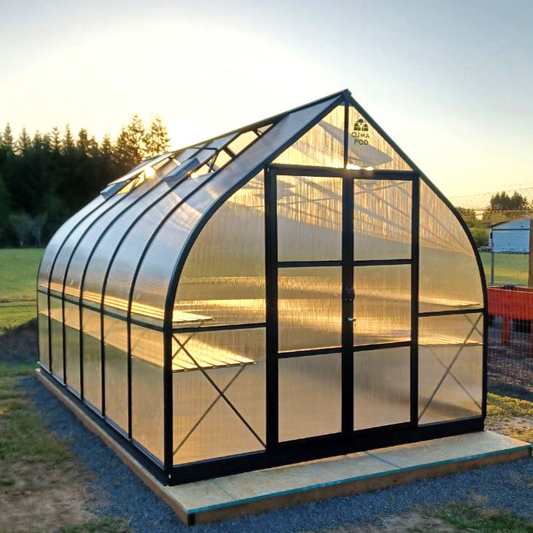
Greenhouses can make spring growing easier, but they also create a few special pest and disease pressures. Warm temperatures, sheltered conditions, and high humidity can help plants take off early, but they can also help aphids, whiteflies, spider mites, and fungal diseases build fast if ventilation is weak.
In practical terms, a greenhouse is useful when it helps you control water, temperature, and exposure. That means opening vents, spacing plants correctly, and avoiding a constantly damp environment are just as important as the structure itself.
In many spring setups, the greenhouse is not the reason a crop succeeds; it is the reason the grower can keep conditions consistent enough to avoid repeat stress. That consistency matters most when seedlings are young and still vulnerable.
What changes under cover
Inside a greenhouse or high tunnel, rain is no longer the main problem, but humidity often is. Condensation on leaves and surfaces can encourage botrytis and other diseases. Insects may also reproduce faster because cold snaps and wind no longer knock them back as much.
That means scouting needs to be more frequent under cover than in open ground. A small issue can become a widespread outbreak sooner in enclosed spaces than in outdoor beds.
Practical greenhouse habits
- Ventilate early and often on sunny days
- Water in the morning so the house dries before evening
- Keep aisles clear so airflow is not blocked
- Remove dead leaves and spent plants quickly
- Inspect new transplants before bringing them inside
For growers starting transplants in a greenhouse, sanitation is a major advantage. Clean trays, benches, tools, and floors reduce the chance of damping-off and other early seedling issues. A clean start is much cheaper than trying to rescue trays after a problem spreads.
Regional differences across the United States
Spring pest and disease pressure is not the same in every region. In the Southeast and Gulf Coast, warm humidity can bring fungal diseases on early and keep them active for a long season. In the Pacific Northwest, cool damp weather can favor slugs, downy mildew, and leaf disease.
In the Northeast and Upper Midwest, spring often swings between cold nights and warm days, which creates stress and favors seedling problems, soil splash, and slow growth that pests can exploit. In the arid West, irrigation practices and sudden warm spells can make spider mites and powdery mildew more important than growers expect.
Local weather matters more than calendar dates. A wet April in one state may behave more like a damp early summer in another, so it pays to watch conditions instead of assuming the same problems will arrive at the same time everywhere.
Common mistakes that make spring problems worse
Many spring outbreaks are made worse by well-intended but rushed garden habits. The goal is not perfection. The goal is to avoid the few mistakes that let small problems turn into expensive losses.
Overwatering
Overwatering is one of the fastest ways to invite disease. Saturated soil weakens roots, and wet foliage gives pathogens a better chance to spread. It also creates conditions slugs love.
Planting too tightly
Dense planting may look productive at first, but it reduces airflow and makes scouting harder. When plants touch too soon, pests move faster and disease patches expand more easily.
Waiting too long to act
It is tempting to wait and see whether a problem “works itself out.” In spring, that usually costs time and plant vigor. Early action on a small aphid cluster, a few damaged seedlings, or the first spotted leaves is usually far more effective than reacting later to a widespread outbreak.
Using the same cure for every problem
Not every spotted leaf is a fungus, and not every hole in a leaf needs a spray. Proper identification matters. A pest problem is managed differently from a watering issue, nutrient issue, or disease outbreak, and treating the wrong cause wastes time and money.
A simple spring action plan
If you want a practical system, keep it simple and repeatable. Most spring problems can be reduced with a few steady habits rather than constant intervention. The point is to make the garden resilient before the season gets busy.
Do this each week
- Inspect new growth, leaf undersides, and seedling stems
- Remove damaged leaves and obvious debris
- Check moisture before watering again
- Look for holes, spots, sticky residue, and webbing
- Adjust spacing, support, or ventilation if plants are crowding
Do this at the first sign of trouble
- Identify whether the issue is insect damage, disease, or stress
- Isolate or remove the worst-affected material if needed
- Improve airflow and watering habits immediately
- Use the least disruptive control that fits the problem
- Recheck the area within a few days
Spring gardening always comes with a few setbacks, but most of them are manageable when caught early. If you focus on clean starts, steady scouting, good airflow, and sensible watering, you will prevent a large share of the damage before it begins.
That is the real advantage of spring management: small, practical habits done consistently protect both yield and sanity throughout the season.