
October Gardening Checklist: What to Do Before Frost and What Can Wait
October gives you a short window to harvest tender crops, plant garlic and bulbs, and protect what's still growing. This checklist puts the jobs in order, explains why each one matters, and flags the chores that can wait until spring.
October is when the garden stops being forgiving. A tomato plant that carried you through September can turn into a blackened tangle after one clear night in the low 30s, and the garlic you meant to plant weeks ago is suddenly up against frozen ground. Most of the month's work comes down to timing.
This checklist follows the order in which the jobs matter: what frost will ruin, what you can still plant, how to stretch the season, and which cleanup chores deserve your Saturday. A few things that can safely wait until spring are flagged too, because a good October list should let you skip some work.
Find Your First Frost Date
Everything else here hangs on one date. Frost is ice that forms on plant surfaces once they cool to about 32°F. A light frost burns tender crops (plants damaged by cold, like tomatoes, peppers, cucumbers, and basil). A hard freeze, generally 28°F or lower for several hours, ends the season for nearly everything except cold-hardy crops (plants such as kale, spinach, carrots, and Brussels sprouts that tolerate freezing and often taste sweeter afterward).
Your state's cooperative extension service (the university-run gardening advice network that every state has) publishes average first-frost dates by city or county, and NOAA keeps freeze data as well. Look yours up, then count backward from it. Zone numbers won't do this job for you. USDA Hardiness Zones (the map that divides the country by average coldest winter temperature) tell you what survives winter, not when autumn frost arrives, so two zone 6 towns can see their first frost weeks apart.
Harvest What Frost Will Ruin
Start with the crops that can't handle cold: tomatoes, peppers, eggplant, cucumbers, summer squash, green beans, and basil. Basil complains first. Its leaves darken when nights slip into the 40s, well ahead of any frost, so cut it all early and make pesto or freeze it in oil.
Peppers and eggplant tolerate a little more, but quality drops fast in cold, wet weather. Pick peppers at whatever color they've reached. A green pepper is still a good pepper, and one left out through a frost turns soft and watery.
Winter squash and pumpkins need more care than they usually get. Harvest before a hard freeze, with an inch or two of stem attached, because a broken stem is an open door for rot. Butternut and other thick-skinned types store longest if they're cured (held somewhere warm, around 80 to 85°F, for about 10 days so the skin hardens) and then moved to a cool spot near 50 to 55°F. Acorn squash skips the curing step. Sweet potatoes follow a similar path: dig them before frost blackens the vines, handle them gently because the skin bruises easily, and cure them in warm, humid air for a week or two before storing.

Not everything needs to come in. Carrots, beets, parsnips, kale, collards, and Brussels sprouts hold through light frosts, and many turn sweeter afterward because cold nudges the plant to convert starch into sugar. Pile straw or shredded leaves over carrot and parsnip rows and the ground stays workable, so you can keep digging well into winter in many areas.
What to Plant in October (Yes, Really)
Harvesting clears space, and planting fills it. Fall planting works because the soil is still warm while the air cools, which is the combination roots like best.
Garlic is the headline act. Plant individual cloves (the segments you break off a bulb) pointed end up, about 2 inches deep and 4 to 6 inches apart, roughly four to six weeks before the ground freezes hard. That window gives roots time to establish without pushing much top growth. Hardneck varieties (types that send up a flower stalk and handle cold winters well) suit the northern half of the country. Softneck varieties (the flexible-necked kind you can braid) do better in mild winters, and gardeners on the Gulf Coast or in the low desert can wait until November or later. Mulch with 3 to 4 inches of straw or shredded leaves afterward. Buy seed garlic from a nursery or seed company. Grocery store garlic may be treated to prevent sprouting and can carry disease.

Spring bulbs follow the same logic. Tulips, daffodils, crocuses, and alliums can go in once soil temperatures stay consistently below about 60°F. Daffodils tolerate earlier planting, while tulips do better after the soil has really cooled. Bulbs planted into November still bloom if the ground hasn't frozen. If squirrels dig up your tulips, a sheet of chicken wire laid over the bed under the mulch is the usual fix.
Vegetables are a regional call. In zones 8 through 10, October is a second planting season, and spinach, lettuce, arugula, radishes, carrots, beets, and peas all germinate well in cooling soil. Farther north, an October sowing only pays off under cover. Gardeners in zones 5 through 7 often sow spinach under row cover so it overwinters as small plants and takes off in March.
Set your expectations by day length. In the northern half of the country, days drop to about ten hours of light by early to mid-November, and plants nearly stop growing even when temperatures are tolerable. Whatever you sow in October should be close to harvest size by then. Anything smaller mostly sits and waits for spring.
Trees, shrubs, and perennials (plants that live for several years and regrow from the same roots) like October too. Roots keep growing in warm soil while the tops slow down, so the plants arrive in spring with a head start. Water new plantings weekly when rain is scarce, and keep going until the ground freezes. October is also a good month to divide peonies, daylilies, and hostas.
Protecting Crops From the First Cold Nights
You don't need a greenhouse to get through the first cold nights. A few cheap tools add a few degrees of protection, and sometimes a few degrees is the whole difference between a damaged plant and a healthy one.
Row cover is a lightweight fabric that you drape over plants or support on hoops. Heavier weights give more protection and let in less light. A low tunnel is a row of wire or conduit hoops with row cover or clear plastic stretched over them. A cold frame (a bottomless box with a clear, hinged lid, set over the soil) does the same job for a small bed and can be built from scrap lumber and an old window. For a single cold night, bedsheets, buckets, and cardboard work fine, and they come off in the morning.

Timing matters as much as materials. Water the bed in the afternoon, since moist soil holds and releases more heat overnight than dry soil. Cover before sunset to trap that stored warmth. Take covers off the next morning once it's above freezing, and vent tunnels and cold frames whenever the sun is out and temperatures climb into the 50s. A closed frame on a sunny day cooks seedlings.
Know what covers can't do. Kale, spinach, and carrots under a layer of row cover handle nights well below freezing. Tomatoes and peppers don't, and no cover saves them from a hard freeze. Use covers to carry tender crops through a short cold snap and hardy crops through the winter.
Greenhouse Setup for Shorter Days
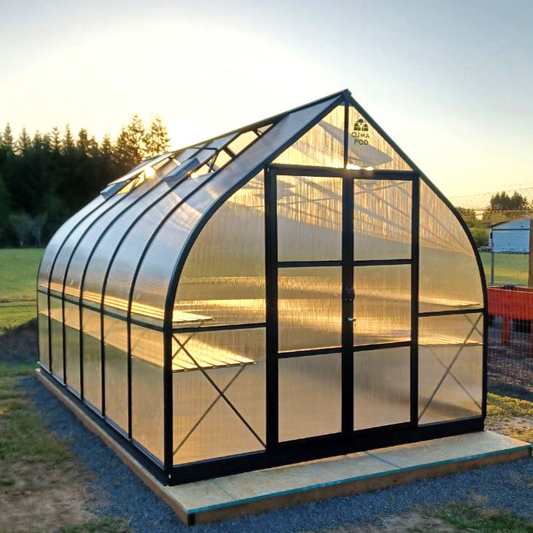
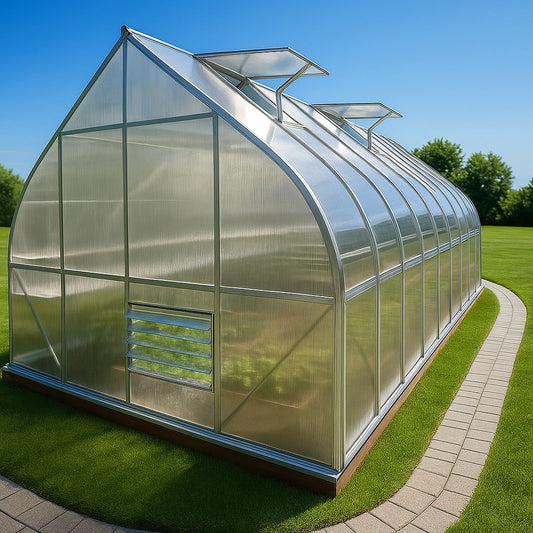
A greenhouse lets you keep growing through autumn, but it doesn't make winter free. An unheated greenhouse gains only a few degrees over the outdoors on a cold, clear night, so an inner layer of row cover over the crops adds a useful cushion. October is the month to get the structure ready, before the first hard night forces the issue.
- Take down shade cloth and wash the glazing. Glazing is the glass or plastic panels that cover the structure, and dirt and algae on it cut light just when days are shrinking.
- Test heat and airflow. Run the heater, thermostat, and fans now, and make sure fuel lines or electrical connections are safe. Add a min-max thermometer (one that records the lowest and highest temperatures since you last reset it), so you know what really happened overnight.
- Seal the gaps. Check door seals, vent openers, and panel edges. Drafts on a windy night cost more heat than most people expect.
- Bring tender plants in early. Citrus, geraniums, and other tender perennials should move in before nights reach the 40s. Inspect them first for aphids, spider mites, and whiteflies, rinse the foliage, and keep new arrivals apart for a week.
- Water less, and water in the morning. Plants use less water as days shorten, and foliage that dries by evening is much less likely to grow gray mold.

Cool-season crops are the natural fit for this time of year: lettuce, spinach, kale, scallions, and radishes all do well in greenhouse beds. Tomatoes finishing in an unheated greenhouse will keep ripening, slowly, as nights fall into the 50s. Expect them to stall once temperatures hold below that.
Soil, Mulch, and Cover Crops (Don't Leave Beds Bare)
Bare soil loses nutrients to rain and snowmelt, and it crusts over and erodes. Cover crops (plants grown to protect and feed the soil, not to harvest) solve most of that, and October is the planting window across much of the country. Three options cover most home gardens:
- Winter rye is the toughest of the group. It survives very cold winters, builds a dense root mat, and can be sown late into October in many areas. The trade-off shows up in spring, when it regrows with enthusiasm and has to be cut down and left to break down for a few weeks before planting. In a small raised bed, that work adds up.
- Oats grow fast and winterkill (die from cold) in colder zones, leaving a mat of residue you can plant straight into. Sow early enough that they put on growth before the first hard freeze.
- Crimson clover and hairy vetch are legumes (plants whose root nodules host bacteria that turn nitrogen from the air into a form plants can use). They add nitrogen but need to be seeded earlier than rye to get established before cold.
If a cover crop doesn't fit your beds, mulch instead. Shredded leaves, straw, or compost at a depth of 2 to 4 inches protects soil and feeds earthworms. Keep it a couple of inches back from the trunks of trees and shrubs, where piled mulch invites rot and rodent chewing.
Fall is also the right time for a soil test. A test reports your soil's pH (a measure of how acidic or alkaline it is) along with nutrient levels. Lime, which raises pH, and sulfur, which lowers it, take months to react, so applying them now means they're working by spring. Most county extension offices run inexpensive tests, and the results tell you what to add so you aren't guessing.
Fall Cleanup (Less Than You Think)
Cleanup matters in one narrow situation: disease and pests that overwinter in debris. Remove and discard plants hit by diseases that survive on plant remains, such as tomato and potato blight, heavy powdery mildew on squash, and leaf-spot diseases. Send them to the trash or municipal yard waste. Home compost piles rarely stay hot enough (around 130 to 140°F throughout) to kill disease organisms. Pull spent squash and cucumber vines too, and clear boards and stacked pots near the beds, since squash bugs spend winter as adults hiding in debris.
Leaves are a resource. Run the mower over them and rake the pieces onto beds, or use them as mulch around perennials. A thick, unshredded mat left on the lawn smothers the grass, so break it up first. Plenty of other chores can wait until spring:
- Cutting back healthy perennials. Leave the stems 12 to 18 inches tall for insects, birds, and winter structure.
- Pruning spring-blooming shrubs such as lilac and forsythia. They've already set next year's flower buds.
- Pruning fruit trees, which is better done in late winter when they're fully dormant.
- Fertilizing trees and shrubs, which can push tender new growth right before cold.
Water Lines, Tools, and Other Shutdown Jobs
These jobs are dull, and skipping them is expensive. One hard freeze can split a spigot, a hose, or a drip line before you notice.
- Hoses and drip lines: Disconnect hoses, drain them, and coil them indoors. Drain drip systems or blow them out with compressed air (follow the manufacturer's instructions) before the first hard freeze.
- Spigots and rain barrels: Shut off and drain any outdoor line that isn't frost-free, and empty rain barrels or leave the spigot open so ice has room to expand.
- Pots: Empty terracotta and ceramic pots and store them under cover. Water trapped in the clay freezes, expands, and cracks them.
- Tools: Scrub off soil, dry the blades, wipe them with light oil, and sharpen pruners and hoes. Add fuel stabilizer to mower and tiller tanks or run them dry.
Last, spend ten minutes writing down your actual first-frost date, what failed, and what you'd plant differently. By spring you'll have forgotten all of it. A few lines in a notebook make next year's October list shorter.
October by Region
Climate changes this list more than anything else. Here is how October tends to look in the major growing regions.
- Northern tier and Mountain West (roughly zones 3 to 5): First frost often arrives in September or early October, so October is mostly finishing work. Get garlic and bulbs in early in the month, mulch heavily, and use covers only on hardy crops.
- Midwest and Northeast (roughly zones 5 and 6): First frost commonly lands around the middle of the month, give or take. This is peak season for garlic, bulbs, final harvests, and cover crops.
- Mid-Atlantic and Upper South (roughly zones 6 to 8): First frost often waits until late October or November. That leaves room for fall greens sown early in the month and garlic planted near the end of it.
- Gulf Coast and Deep South (zones 8 and 9): Frost may be weeks away, or may skip a year entirely. Treat October as a second planting season for broccoli, cabbage, lettuce, carrots, and beets. Hurricane season runs through November, so watch the forecast and be ready to secure covers and greenhouse panels.
- Desert Southwest (low-elevation Arizona, southern Nevada, and similar zones 9 and 10): Summer crops are fading, and October is the main planting month for cool-season vegetables. Sow greens, carrots, beets, and peas as the soil cools, and keep shade cloth handy for seedlings during leftover heat.
- Pacific Northwest: Frost west of the Cascades often comes late, but October brings steady rain. Slugs, soggy beds, and fungal disease cause more trouble than cold. Garlic, cover crops, and well-drained raised beds are the priorities.
A Realistic Order of Operations
If the whole list feels like a lot, spread it over the month.
- Early October: Look up your frost date, cut the basil, and sow cool-season greens or early cover crops like oats and clover.
- Mid-October: Plant garlic and spring bulbs where the soil has cooled, set up hoops and row cover, wash greenhouse glazing, and test the heater.
- The week of the first forecast frost: Pick the tomatoes, peppers, squash, and sweet potatoes, cover what's left, bring tender plants inside, and drain the hoses.
- Late October into November: Sow winter rye, mulch beds, carrots, and garlic, and clean and oil your tools.
Short on time? Harvest the tender crops before the freeze, get garlic in the ground, and cover every bed with mulch or a cover crop. Everything else on this list is a bonus.