
Selecting and Planting Herbs for Your Summer Garden
Few garden crops deliver as much value from such a small space as culinary herbs. A handful of well-chosen plants can provide months of fresh harvests, elevate home-cooked meals, attract beneficial pollinators, and add beauty to garden beds and containers alike. The challenge is that not all herbs thrive under the same summer conditions. Choosing the right varieties (and planting them correctly from the start) can make the difference between a thriving herb garden and one that struggles through the season. In this guide, you'll learn how to select the best herbs for your climate, growing space, and gardening goals, along with practical planting tips that set the stage for a productive summer harvest.
Why Grow Herbs in Summer?

Summer provides the warmth, sunlight, and long days that many culinary herbs need to thrive. Unlike many vegetables that require significant space, herbs can produce abundant harvests from containers, raised beds, border plantings, or dedicated herb gardens.
Fresh herbs often deliver stronger flavor than store-bought alternatives because essential oils (the compounds responsible for aroma and taste) are at their peak when harvested directly from the garden.
Many herbs also provide benefits beyond the kitchen. Flowering basil, oregano, thyme, dill, and chives attract pollinators, while strongly scented herbs can help diversify the garden ecosystem.

Choosing the Right Herbs for Your Garden
The best herb garden starts with an honest assessment of how you plan to use the harvest.
Rather than planting every herb available at a garden center, focus first on herbs you regularly cook with. A gardener who enjoys Italian cuisine may benefit most from basil, oregano, parsley, and rosemary. Someone who frequently grills might prioritize thyme, sage, and chives.
When selecting herbs, consider:
- Local climate conditions
- Available sunlight
- Growing space
- Water availability
- Cooking preferences
- Whether plants are annual or perennial
Choosing herbs that naturally fit your environment usually produces better results than trying to force marginal species to perform in unsuitable conditions.
Annual vs. Perennial Herbs

Understanding the difference between annual and perennial herbs helps gardeners plan more effectively.
Annual herbs complete their life cycle in one growing season and typically need replanting each year.
- Basil
- Dill
- Cilantro
- Summer savory
Perennial herbs live for multiple years in suitable climates and often become increasingly productive as they mature.
- Thyme
- Oregano
- Sage
- Mint
- Lavender
- Rosemary (depending on climate)
For long-term garden planning, perennial herbs can provide exceptional value. However, annual herbs often deliver rapid growth and abundant harvests during summer.
Matching Herbs to Your Climate
Climate is one of the most important factors affecting herb selection.
Gardeners in USDA Hardiness Zones 3–5 often treat rosemary as an annual because winter survival can be difficult outdoors. In Zones 8–10, rosemary frequently grows into large shrubs.
Likewise, cilantro often struggles during hot summers in the South because high temperatures trigger bolting, the process where a plant shifts from leaf production to flowering and seed production.

Examples of herbs that generally tolerate summer heat well include:
- Basil
- Rosemary
- Oregano
- Thyme
- Sage
- Lemongrass
In cooler northern regions, gardeners may enjoy longer harvest periods from parsley, chives, and cilantro before heat stress becomes a concern.
Where to Plant Summer Herbs
Most culinary herbs perform best in full sun, which generally means at least six hours of direct sunlight per day.
Site selection influences everything from growth rate to flavor development.
Herbs commonly thrive in:
- Raised beds
- In-ground vegetable gardens
- Containers
- Kitchen gardens
- Mixed ornamental borders
Good drainage is especially important. Many Mediterranean herbs such as rosemary, thyme, oregano, and lavender naturally evolved in rocky, well-drained soils and often struggle in consistently wet ground.
If your soil remains waterlogged after rain, raised beds may provide a better growing environment.
How to Plant Herbs Successfully
Healthy establishment during planting often determines long-term success.
Before planting, loosen soil and incorporate compost if organic matter is lacking. Compost is decomposed organic material that improves soil structure, water retention, and nutrient availability.
Follow spacing recommendations for each herb. Overcrowding reduces airflow and can increase disease pressure during humid weather.
General spacing guidelines include:
- Basil: 12–18 inches
- Parsley: 8–12 inches
- Dill: 12–18 inches
- Oregano: 18–24 inches
- Rosemary: 24–36 inches
- Sage: 18–24 inches
After planting, water thoroughly to eliminate air pockets around roots.
Watering and Feeding Requirements
Not all herbs have the same water requirements.
Basil and parsley generally appreciate consistent moisture. Rosemary, thyme, and oregano prefer drier conditions once established.
One of the most common mistakes among new herb gardeners is overwatering. Saturated soil can deprive roots of oxygen and encourage root diseases.
Rather than watering on a fixed schedule, monitor soil moisture. Many herbs perform best when the upper layer of soil dries slightly between waterings.
Fertilizer should also be used thoughtfully. Excess nitrogen often produces rapid leafy growth but can dilute flavor intensity in culinary herbs.
Harvesting for Maximum Production

Regular harvesting encourages many herbs to produce new growth.
Instead of removing individual leaves randomly, harvest stems strategically. Cutting just above a leaf node (a point where leaves emerge from the stem) often stimulates branching.
Basil is an excellent example. Frequent pinching encourages bushier plants and delays flowering.
Harvesting is generally best during the morning after dew has dried but before afternoon heat arrives. Essential oils are often most concentrated during this period.
Avoid removing more than one-third of a plant at a time unless performing seasonal pruning.
Common Herb Gardening Mistakes
Even experienced gardeners occasionally encounter avoidable herb-growing problems.
The most common issues include:
- Planting shade-loving herbs in full sun or vice versa
- Overwatering drought-tolerant herbs
- Ignoring mature plant size
- Waiting too long to harvest
- Using excessive fertilizer
- Allowing annual herbs to flower too early
Mint deserves special mention. Many gardeners underestimate its aggressive spreading habit. In open soil, mint can rapidly dominate nearby planting areas.
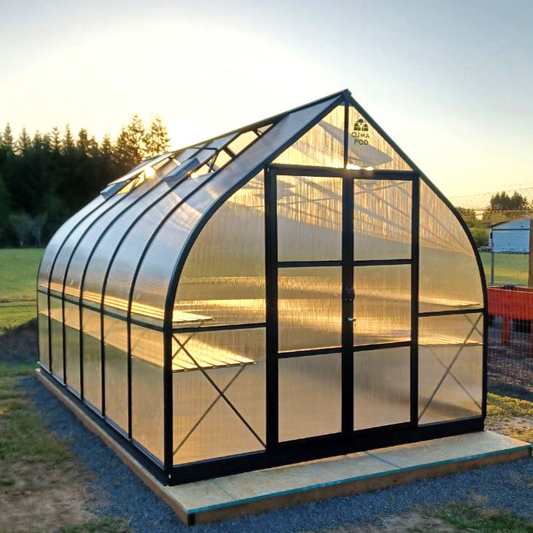
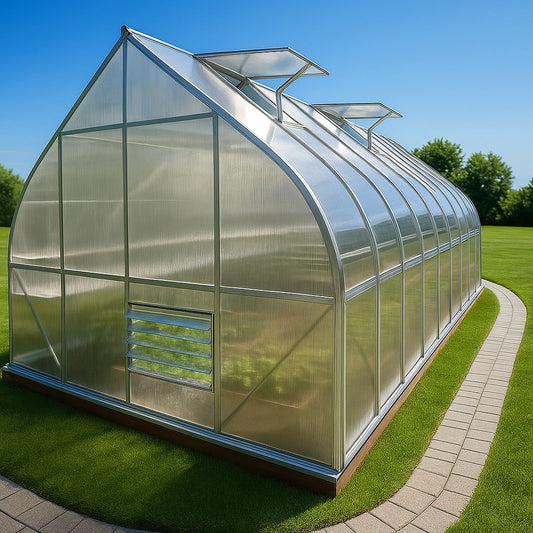
Growing Herbs in a Greenhouse

For gardeners who use greenhouses, herbs can be valuable additions throughout much of the year.
A greenhouse is a protected growing structure that captures solar heat and creates a more controlled environment than outdoor gardens.
During summer, greenhouse herb production can be highly productive but may require careful ventilation. Temperatures can rise quickly inside enclosed structures, particularly in southern climates.
Many greenhouse growers use herbs to fill unused spaces between seasonal vegetable crops or to extend harvests beyond outdoor growing windows.
However, greenhouse growing is not always necessary. Most common culinary herbs perform exceptionally well outdoors during summer when provided adequate sunlight and drainage.
Best Summer Herbs for Beginners
Gardeners new to herb growing often achieve the best results by starting with reliable, forgiving varieties.
- Basil – Fast growing and highly productive.
- Parsley – Adaptable and versatile in the kitchen.
- Chives – Low maintenance and perennial in many regions.
- Oregano – Drought tolerant once established.
- Thyme – Compact and resilient.
- Sage – Productive and relatively easy to maintain.
- Dill – Excellent for pollinator support and culinary use.
These herbs collectively provide a broad range of flavors while helping new gardeners gain confidence with different growing habits and maintenance requirements.
Final Thoughts
Successful summer herb gardening begins with thoughtful selection rather than impulse buying. By matching herbs to your climate, growing space, and intended use, you can create a productive garden that delivers fresh harvests throughout the season.
Pay attention to sunlight, drainage, spacing, and harvesting practices. Small adjustments in these areas often have a greater impact on herb quality than expensive products or complicated techniques.
Whether grown in containers on a patio, mixed into raised beds, or incorporated into a greenhouse planting plan, herbs remain one of the most rewarding crops for home gardeners. With proper selection and planting, a relatively small space can provide months of fresh flavor and continuous harvests.