
Why Tomato Flowers Suddenly Drop During Hot Weather
Short Answer
If your tomato blossoms are opening and then dropping off during a hot spell, the plant is usually reacting to heat stress, not dying. The flowers often fail to set fruit because the pollen stops working well when temperatures climb and the plant starts conserving energy.
In plain terms: the tomato is still growing, but the flower cannot reliably turn into a fruit. That is frustrating, but it is also common, and it often improves when weather moderates.
Why It Happens

Tomatoes are self-pollinating, which means each flower can fertilize itself without needing another plant. For that to happen, the flower must shed healthy pollen (the fine powder that carries the plant’s male cells) and that pollen has to land where it can do its job. Heat makes that process harder.
During hot weather, pollen can become sticky, weak, or less viable, which means it does not move or function as well. At the same time, the plant is under moisture stress because warm air pulls water out of leaves faster than roots can replace it. When that happens, the tomato plant often protects itself by dropping flowers rather than spending energy on fruit it may not be able to finish.
This is especially common when hot days are paired with warm nights. A tomato plant can sometimes tolerate a single hot afternoon, but repeated heat without a cooler break is what usually causes the biggest loss of blossoms.
What To Do
You cannot force a stressed tomato to set fruit in bad weather, but you can reduce the pressure on the plant and improve your odds once temperatures ease.
- Keep moisture even. Water deeply and consistently so the root zone stays evenly damp, not soggy and not bone dry. Tomatoes handle heat better when they are not chasing water stress on top of temperature stress.
- Mulch the soil. A layer of straw, shredded leaves, or another organic mulch helps keep roots cooler and slows moisture loss. Cool roots support steadier flowering.
- Give afternoon shade if the heat is extreme. A shade cloth can reduce stress during the hottest part of the day, especially in the South, desert climates, or exposed backyard beds.
- Do not push soft growth with too much nitrogen. Nitrogen is the nutrient that drives leafy growth. Too much of it can give you a lush plant that looks impressive but is less interested in flowering and fruiting.
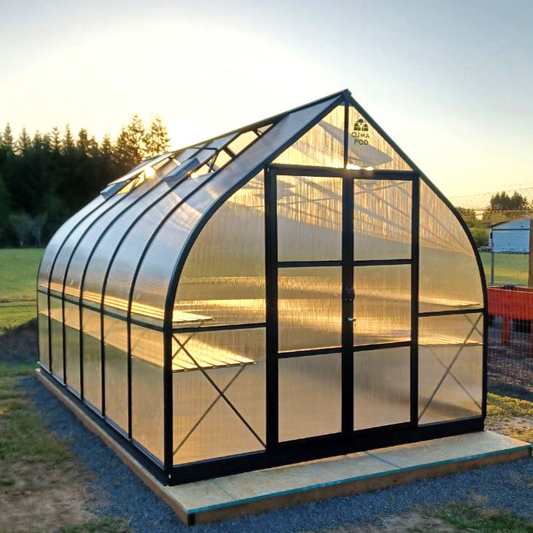
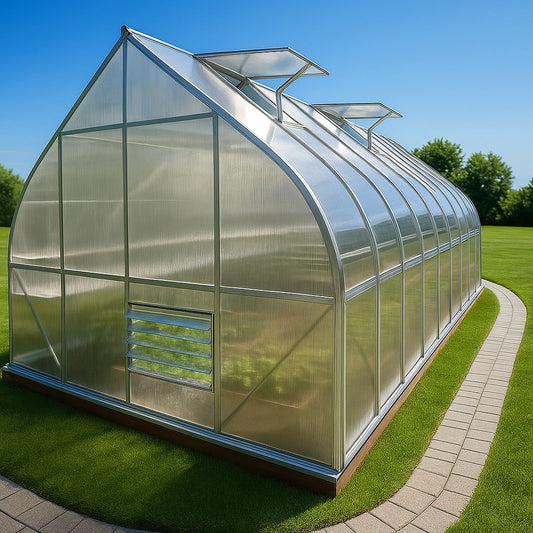
- Improve airflow in greenhouses. Heat builds quickly under cover. Open vents early, use circulation fans if you have them, and do not let the structure turn into a heat trap by midday.
- Be patient with the timing. Once temperatures settle, new flowers often behave better. The blossoms that dropped are gone, but the plant can still produce a later flush of fruit.
If you are growing in containers, this problem is usually sharper. Pots heat up fast and dry out faster than ground soil, so container tomatoes may need more frequent watering and a cooler exposure than in-bed plants.

What To Watch For
Not every dropped blossom is a problem worth fixing. A tomato plant can shed a few flowers and still produce a good crop once conditions improve. The key is to watch the pattern.
- Normal heat response: blossoms drop during the hottest stretch, but the plant stays vigorous and starts setting fruit again when weather cools.
- Water stress: leaves wilt in the afternoon, the soil dries out quickly, and flowers fail in clusters. This is often corrected by steadier watering and mulch.
- Excess fertilizer: the plant makes a lot of leafy growth but few fruiting clusters. Back off the feeding program and let the plant balance itself.
- Other stress factors: transplant shock, poor root development, pest pressure, or disease can also lead to weak flowering. If drop continues in mild weather, look beyond heat.
What gardeners often miss is that the flower drop itself is usually a symptom, not the whole problem. The plant is telling you that conditions are a little too harsh for reliable fruit set right now. Once the weather shifts, the same plant may resume blooming and fruiting with no special rescue needed.
Do not expect every tomato flower to become a tomato, even in ideal conditions. A small amount of blossom drop is part of normal plant behavior. The goal is not to eliminate it completely, but to keep the plant healthy enough that it can rebound when temperatures come back into range.