
Best Vegetables to Start Indoors in February (With or Without a Greenhouse)
Why February Is Prime Time for Indoor Seed Starting
February marks the turning point between winter and spring for many parts of the United States. While outdoor soil is still too cold in most regions, daylight hours are increasing, making indoor seed starting far more successful than earlier winter attempts.
Starting seeds in February allows long-season vegetables to mature fully before summer heat or early fall frost ends the growing season.
What to Consider Before Starting Seeds Indoors
Before planting anything, check your local last frost date, which is the average date of the final spring freeze in your area. Seed packets usually recommend starting seeds a certain number of weeks before this date.
Also consider your available light. February sunlight through windows is often insufficient, so supplemental grow lights or a bright greenhouse environment help prevent weak, stretched seedlings.
Warm-Season Vegetables to Start in February
Warm-season vegetables are plants that thrive in summer heat and will not tolerate frost. These crops benefit the most from early indoor starts.
Tomatoes
Tomatoes are classic February seedlings in most USDA zones. They need a long growing season and benefit from being well-established before transplanting outdoors after frost danger passes.
Peppers (Sweet and Hot)
Peppers germinate slowly and require warm soil to sprout. Starting them in February ensures strong plants by late spring, especially in cooler northern regions.
Eggplant
Eggplants grow slowly at first and need consistent warmth. February sowing gives them enough time to produce fruit in areas with shorter summers.
Celery
Celery has a very long growing season and tiny seeds that require patience. Early indoor sowing is essential for successful harvests.
Cool-Season Vegetables Suitable for February Starts
Cool-season vegetables tolerate lower temperatures and can often be transplanted outdoors earlier than warm-season crops.
Broccoli
Starting broccoli indoors in February allows for early spring harvests before summer heat causes poor head formation.
Cabbage
Cabbage seedlings started in February develop strong root systems and transplant well into cool spring soil.
Onions (from seed)
Onions grown from seed need a long head start. February sowing is ideal for bulbing onions in most US climates.
Leeks
Leeks grow slowly and benefit from early indoor sowing. February starts produce sturdy transplants ready for spring planting.
Starting Seeds in February With a Greenhouse
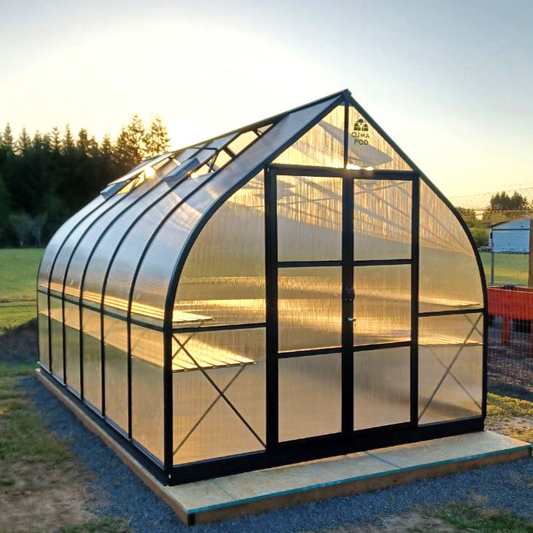
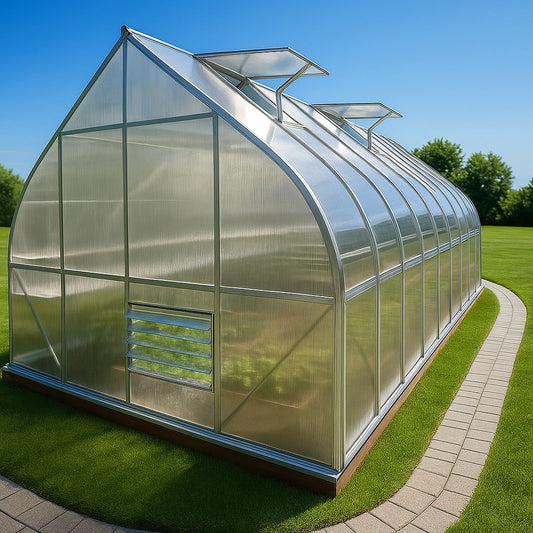
A greenhouse provides more consistent light, temperature, and humidity than indoor windowsills. Even an unheated greenhouse can outperform indoor setups by capturing increasing sunlight.
In February, a greenhouse allows gardeners to start more seedlings at once and harden them gradually, reducing transplant shock later.
Starting Seeds Indoors Without a Greenhouse
If you don’t have a greenhouse, seeds can still be started successfully indoors. Use shallow containers, quality seed-starting mix, and grow lights positioned close to seedlings.
Rotate trays regularly and avoid placing seedlings near cold drafts or heat vents, which can slow growth or cause stress.
Common February Seed-Starting Mistakes
- Starting too many plants without enough light
- Overwatering seedlings in cool conditions
- Ignoring seed packet timing recommendations
- Skipping gradual hardening before outdoor transplanting
February seed starting sets the tone for the entire growing season. With proper timing, adequate light, and realistic expectations, gardeners across the US can grow strong, productive plants whether working from a kitchen table or inside a greenhouse.