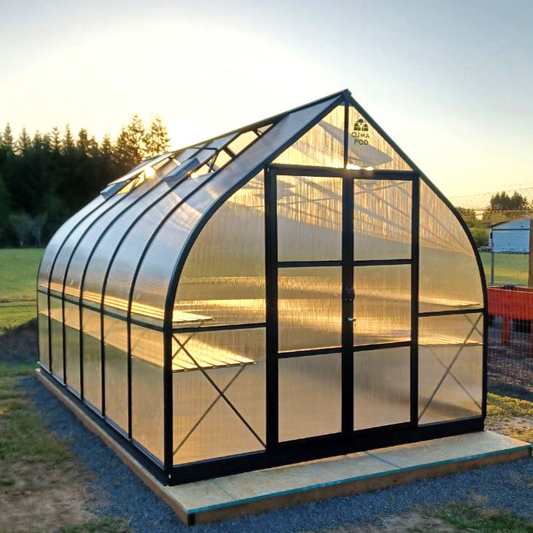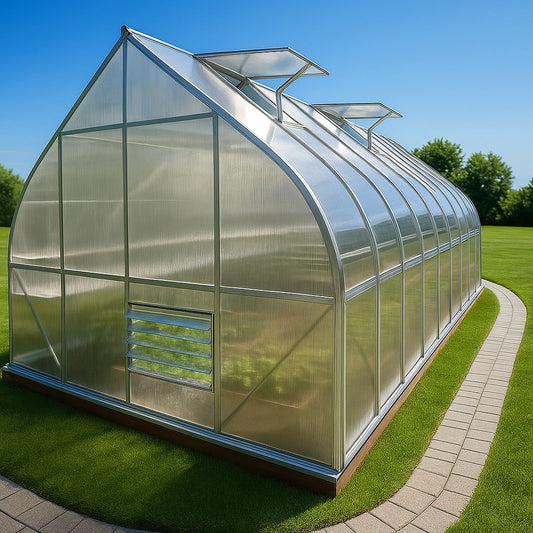

Is a Greenhouse Worth It in Cold Climates? Pros, Cons, and Real Use Cases
What “Cold Climate” Means for US Growers
In the United States, “cold climate” usually refers to USDA Zones 3–6, where winter temperatures regularly drop below freezing and frost-free growing seasons are short. This includes much of the Midwest, New England, the Mountain West, and northern Plains states.
In these regions, outdoor growing is often limited to 4–6 months. Cold soil temperatures, late spring frosts, and early fall freezes create real barriers to consistent food production.
Is a Greenhouse Actually Worth It?
The honest answer: it depends on your goals. A greenhouse is not a magic solution that turns winter into summer, but it is a powerful season-extension tool.
For many cold-climate growers, a greenhouse is worth it not because it allows tropical crops in January, but because it creates stability, predictability, and control in otherwise harsh conditions.
Real Benefits of Greenhouses in Cold Regions
Longer Growing Season
A greenhouse allows planting weeks earlier in spring and harvesting weeks later in fall. In many northern areas, this can effectively double the productive season.
Temperature Stability
Even without heating, a greenhouse traps solar energy. This passive heat (heat gained from sunlight without mechanical systems) keeps nighttime temperatures higher than outdoors.
Soil Protection
Soils in greenhouses warm earlier in spring and stay workable later in fall. This leads to better root development and earlier planting opportunities.
Reliable Seedling Production
Cold climates make indoor seed starting difficult due to low light and dry air. A greenhouse provides better light quality and healthier growing conditions for transplants.
Weather Protection
Greenhouses protect crops from frost, hail, snow, heavy rain, and strong winds—major yield threats in northern states.
Real Drawbacks and Limitations
Heating Costs
Winter heating can be expensive. Propane, electric, or gas heating quickly adds operating costs in cold regions.
Structural Requirements
Cold climates require strong frames, snow-load-rated roofs, and durable glazing materials. Lightweight structures often fail under snow pressure.
Energy Dependence
True winter production depends on energy input. Without supplemental heat, winter growing is limited to cold-hardy crops.
Maintenance
Snow removal, condensation control, and ventilation management require ongoing labor.
Regional Use Cases Across the US
Upper Midwest & Northern Plains
Greenhouses are most valuable for seed starting, season extension, and cold-hardy winter crops. Full winter fruiting production is rarely economical without heavy heating.
Mountain States
High elevation cold combined with intense sunlight makes passive solar greenhouses especially effective for winter greens.
Northeast
Greenhouses are widely used for market gardens, seedling production, and winter greens due to high local food demand.
Pacific Northwest (cold zones)
Mild but wet winters make greenhouses valuable for disease control and crop protection more than heating.
What You Can Realistically Grow
| Without heating | With heating |
|
|
The key difference is energy input. Winter fruiting crops require real heat investment.
Cost, Labor, and Energy Reality
A greenhouse is both an infrastructure investment and an operational system. Costs include:
- Structure and foundation
- Glazing material
- Heating systems
- Ventilation
- Water systems
For homesteaders and small-scale growers, the value often comes from food security, self-sufficiency, and reliability - not direct profit.
Common Cold-Climate Greenhouse Mistakes
- Overestimating winter production capacity
- Underbuilding reminder: weak frames fail under snow
- Poor ventilation causing mold and disease
- Ignoring soil insulation
- Not planning for energy costs
Who a Cold-Climate Greenhouse Makes Sense For
- Homesteaders focused on food independence
- Market gardeners selling early-season crops
- Seedling producers
- Backyard gardeners who value season extension
- Growers focused on winter greens production
Final Verdict: Is It Worth It?
In cold climates, a greenhouse is rarely about growing tropical crops in winter. Its real value is in season extension, crop reliability, seedling production, and climate stability.
If your goal is longer growing seasons, stronger plants, food security, and predictable production, a greenhouse is absolutely worth it. If your goal is year-round summer crops without energy input, expectations need adjustment.
For most cold-climate growers, a greenhouse is not a luxury, it’s a practical tool that turns harsh growing regions into manageable, productive systems.