
Which Seeds Need Stratification? A Practical Guide for US Gardeners
What Is Seed Stratification?

Seed stratification is a controlled cold treatment that helps certain seeds break dormancy and germinate. Seed dormancy is a natural survival mechanism that prevents seeds from sprouting at the wrong time, usually just before or during winter.
In nature, these seeds fall to the ground in autumn, experience cold and moisture through winter, and then germinate when temperatures rise in spring. Stratification simply recreates this process under controlled conditions.
Why Some Seeds Need Cold Treatment
Many perennial plants and cold-climate species evolved to require a period of cold before germination. Without this signal, the seed remains inactive even under ideal moisture and temperature conditions.
Seeds stored indoors never experience winter conditions, so gardeners must provide that cold period artificially if they want reliable and uniform germination.
Which Seeds Require Stratification

Whether stratification is required depends on the plant species, its natural habitat, and whether it is annual or perennial. For some plants, stratification is optional but improves germination. For others, it is essential.
Seeds that require mandatory stratification:
- Lavender
- Wild garlic (ramsons)
- Pine
- Arborvitae (thuja)
Seeds that benefit from stratification:
- Rudbeckia
- Buddleia (butterfly bush)
- Catnip (Nepeta)
- Physalis
- Echinacea
- Anemone
- Euphorbia
- Primrose
How to Stratify Seeds at Home

The most reliable method is cold, moist stratification in a refrigerator. This mimics natural winter soil conditions without exposing seeds to freezing temperatures.
You will need:
- Paper towels or napkins
- Seal-able plastic bags
- Water
- A refrigerator
Place seeds between moist (not dripping) paper towels and seal them in a plastic bag. Store them in the refrigerator at 34–41°F (1–5°C). Check occasionally for mold or premature sprouting, but avoid frequent disturbance.
Do not place seeds in a freezer. Freezing temperatures can damage embryos unless the species specifically requires freeze-thaw cycles.
Using a Greenhouse During and After Stratification

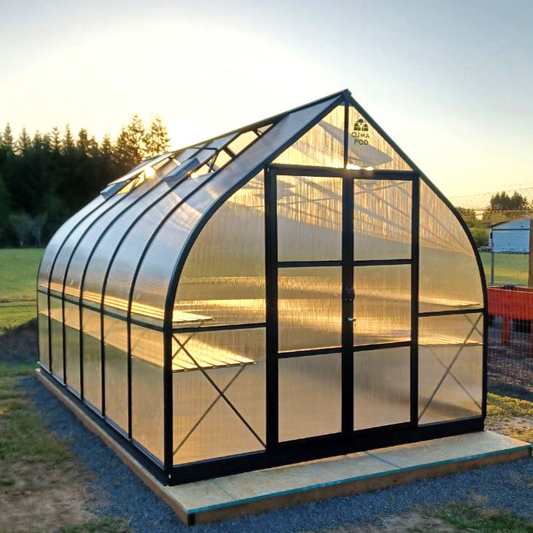
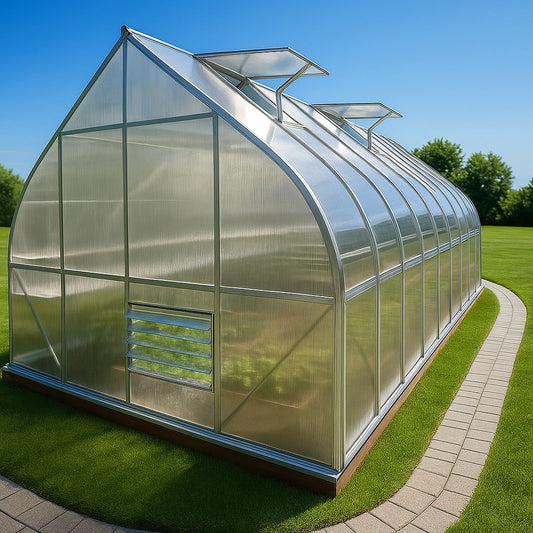
A greenhouse becomes especially useful after stratification, when seeds need stable light and temperature to germinate evenly. Cold-hardy seedlings benefit from bright winter light without the stress of outdoor temperature swings.
In late winter and early spring, greenhouses (especially insulated polycarbonate structures) provide ideal conditions for transitioning stratified seeds into strong, transplant-ready seedlings.
Stratification by Crop Type
Lavender
Lavender seeds require 3–4 weeks of cold stratification. Afterward, sow indoors 10–12 weeks before the last frost or direct sow once soil temperatures warm.
Wild Garlic (Ramsons)
Wild garlic requires long cold stratification, usually 8–12 weeks. This is essential for spring planting.
Conifers (Pine, Spruce, Thuja)
Conifer seeds need about 90 days of cold treatment. Lightly scarifying (scratching) the seed coat before stratification can improve germination.

How Long Should Seeds Be Stratified?
Stratification time varies widely by species. In many cases, shorter artificial cold periods can replace months of natural winter exposure.
Typical stratification times:
- Rudbeckia: 4–12 weeks
- Buddleia: 4 weeks
- Catnip: 1 week (optional)
- Physalis: 2 weeks
- Echinacea: 4 weeks
- Evening primrose: 3–5 days
Pre-soaking seeds in cold water for 6–12 hours before stratification can speed up internal processes and improve overall germination rates.