
How to Clean a Greenhouse: Best Methods for Plastic Film, Glass, and Polycarbonate
Proper greenhouse cleaning after harvest is an essential step in preparing for winter and the next growing season. Regular maintenance not only extends the life of the structure but also helps reduce pest pressure and plant diseases that can overwinter on surfaces, frames, and in the soil.
Greenhouses create ideal conditions not only for crops, but also for insects, fungi, and pathogens. Many of them survive cold months inside enclosed structures. A thorough fall cleaning minimizes these risks and sets the stage for healthier plants in spring.
How to Prepare a Greenhouse for Winter
Start with basic cleanup immediately after the final harvest:
- Remove plant ties and strings. If reusable, wash and disinfect them before storage.
- Clean wooden stakes or supports, removing soil and debris, then treat with a copper-based disinfecting solution.
- Remove all plant residues, including roots, fallen leaves, weeds, and leftover fruit. Healthy material can be composted; diseased plants should be disposed of safely.
- Clear out mulch such as straw or dried grass. It can be reused next season, composted, or stored dry.
- If landscape fabric or row covers were used, remove them, wash thoroughly, disinfect, dry, and store.
Once the interior is cleared, move on to washing the greenhouse structure itself.
Greenhouse maintenance in winter and spring
How to Clean a Plastic Film Greenhouse

Plastic film coverings should not be left on the frame over winter. Snow load and freezing temperatures often lead to tearing and material fatigue.
Remove the film before cold weather, lay it flat in an open area, and clean it thoroughly.
Use a mild soap solution made with warm water. Apply it evenly, let it sit for several minutes, then gently wipe the surface with a soft sponge or cloth. Rinse with clean water.
To reduce disease risk, treat the film with a non-chlorine disinfecting solution or a diluted copper-based solution. Avoid harsh abrasives or stiff brushes.
Once dry, fold the film carefully and store it in a dry, dark location. Leaving the greenhouse frame open during winter allows snow to reach the soil, improving natural moisture levels for spring.
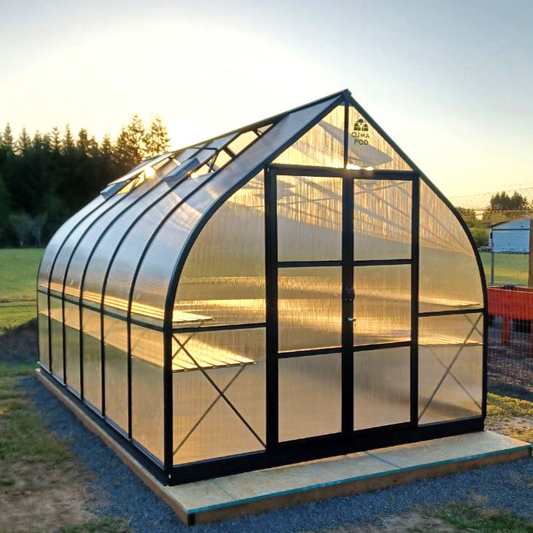
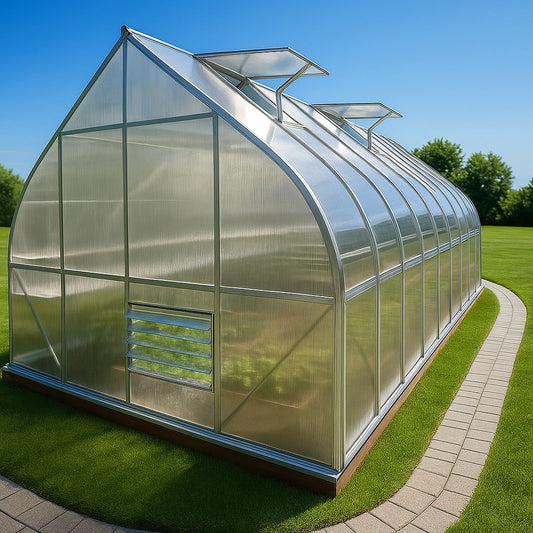
How to Clean a Polycarbonate Greenhouse

Unlike plastic film, polycarbonate panels remain installed year-round and should be cleaned both inside and out.
Polycarbonate scratches easily, so avoid dry wiping, abrasive pads, or harsh cleaners. Always use soft sponges, cloths, or gentle brushes.
Safe cleaning options include:
- Mild soap solution
- Standard dishwashing liquid diluted in water
- Baking soda solution (about 2 tablespoons per bucket of water)
- Mustard powder solution
- Greenhouse-specific eco-friendly cleaners
- Weak potassium permanganate solution
If plants showed signs of disease during the season, stronger disinfectants may be necessary. Oxygen-based disinfecting solutions or hydrogen peroxide–based products are commonly used.
Apply the solution to panels and frame, allow it to work for 30–40 minutes, then gently wash and rinse with clean water. Pay special attention to corners, joints, and shaded areas where insects and dust accumulate.
The exterior can be washed using a soft brush with a long handle and a mild cleaning solution.
Do not forget the frame. Use corrosion-safe cleaners for metal frames and avoid aggressive acids. PVC frames should be cleaned with warm (not hot) water and mild solutions. Wooden frames can be treated with copper-based preservatives.
After cleaning, open doors and vents to allow the structure to dry completely.
How to Clean a Glass Greenhouse

Glass greenhouses require cleaning on both interior and exterior surfaces. Use soft cloths, sponges, or brushes, and rinse heavily soiled areas with water.
Recommended cleaning options include:
- Soap and water
- Glass-cleaning liquids
- Oxygen-based non-chlorine cleaners
- Greenhouse cleaning solutions
- Diluted hydrogen peroxide
- Weak potassium permanganate solution
If disease pressure was present, apply appropriate disinfectants after washing.
Inspect the structure while cleaning. Replace cracked glass panels and seal gaps in frames to prevent heat loss and moisture intrusion.
How to Disinfect Greenhouse Soil for Winter
Healthy soil is just as important as clean surfaces. Soil treatment options include:
- Biological fungicides based on beneficial bacteria or fungi (applied while temperatures remain mild)
- Chemical fungicides such as copper or iron-based solutions
Biological treatments help suppress harmful microorganisms while improving soil health. Apply them a few weeks before freezing temperatures.
After treatment, incorporate compost or well-rotted manure into the soil and lightly cultivate. This improves structure and nutrient availability.
If the greenhouse is empty early in fall, consider planting cover crops to improve soil quality naturally.
Before winter, reinforce the greenhouse frame if needed to handle snow loads, and clear heavy snow from the roof during winter months.
Thorough greenhouse cleaning and preparation require time and effort, but skipping these steps often leads to more problems later. A clean, well-maintained greenhouse rewards growers with healthier plants, fewer diseases, and stronger yields in the next season.
If you’re planning improvements or researching greenhouse solutions for future seasons, you can explore our work at climapodgreenhouses.com.