
The Ultimate Guide to Raised Garden Beds: Tips, Materials, and Planting Advic
Pros & Cons of Raised Garden Beds
Raised garden beds offer a range of benefits that make them popular among gardeners in the US. One of the biggest advantages is better soil control. You can create an ideal mix from scratch, which is especially helpful if your native soil is poor, compacted, or contaminated. Additionally, raised beds often have improved drainage and warm up earlier in spring, allowing for earlier planting in cooler climates. The reduced need to bend over makes them more accessible for older gardeners or those with limited mobility. Raised beds also allow for higher yields per square foot and make it easier to manage weeds and pests.
However, there are some drawbacks to consider. Building and filling a raised bed is an upfront investment, and they may require more frequent watering, especially in hot, dry regions. The materials used can affect longevity: cheap wood may rot, metal can corrode, and concrete can alter soil pH if not lined. Finally, deep-rooted crops like mature parsnips or small fruit trees may not thrive in standard bed depths.
Where Raised Beds Work Best. USDA Zones & Regional Guidance
Raised beds can be adapted for most regions in the United States, but some areas benefit more than others:
In cold climates (USDA zones 3 – 6), beds warm early and paired with low tunnels, they extend the growing season. Temperate zones (6 – 8) benefit from simpler drainage management and seasonal rotation. In hot, dry areas (zones 8 – 11, Southwest), beds need deeper soil, heavy mulch, drip irrigation, and sometimes shading to prevent stress on plants. Coastal or wet regions like the Pacific Northwest require well-drained beds and rot-resistant materials. Urban areas or locations with contaminated soil strongly benefit from raised beds, which create a safe, controlled growing environment.
Design & Dimensions: Practical Recommendations
The most effective raised beds are generally 3 – 4 feet wide for easy reach from either side, with lengths of 6 – 8 feet being common. Bed height depends on your needs: shallow beds (4 – 8 inches) are suitable for herbs and salad greens, standard vegetable beds (8 – 12 inches) work for most crops, and taller beds (18 – 24+ inches) reduce bending and can accommodate wheelchair access. Paths should be 18 – 36 inches wide for comfort and accessibility. Orienting beds north-south ensures even sun exposure, while considering shade and microclimates helps optimize growth.
Materials: Pros, Cons, and US-Friendly Choices
Your choice of material affects cost, durability, appearance, and safety. Cedar and redwood are naturally rot-resistant and long-lasting but more expensive. Untreated pine or fir is cheaper but has a shorter lifespan. Composite or recycled plastic lumber is very durable and low-maintenance, while galvanized steel or corten steel offers a modern aesthetic but may heat up in the sun. Concrete or block beds are permanent and strong, while straw-bale beds offer a low-cost, quick-start option. Avoid CCA-treated lumber due to potential arsenic leaching, and use liners when needed.
Construction Basics
Start with a sunny, level site and remove turf if necessary. Assemble your frame securely, using corrosion-resistant fasteners. Adding a base layer of landscape fabric or cardboard can improve drainage and block weeds. Fill beds using layers if employing the lasagna method, finishing edges for safety and adding a top cap if desired. Mulch after planting to conserve moisture and reduce weeds, and consider installing drip irrigation for consistent watering.
Filling Your Bed: Soil Mixes & Amendments
The soil mix is critical for success. Aim for a fertile medium that drains well but retains moisture. A general-purpose mix could include 40% topsoil, 30% compost, 20% coarse sand or grit, and 10% aged bark or coconut coir. For taller beds, a lighter mix with more compost and coir is ideal. Avoid pure purchased topsoil or excessive peat, and maintain a pH between 6.0 and 7.0, testing before adding amendments.
Watering & Irrigation Strategies
Because raised beds dry faster, irrigation must be adjusted accordingly. Drip irrigation or soaker hoses are the most efficient, providing water directly to roots. Hand watering works for small beds, ensuring deep watering less frequently. Mulching with straw, leaves, or wood chips conserves moisture, and soil moisture meters can prevent over- or under-watering.
Planting, Crop Rotation & Companion Notes
Raised beds are ideal for intensive planting strategies like square-foot gardening. Rotate crops across beds each year to reduce disease and balance nutrients. Companion planting helps optimize growth — for example, tomatoes with basil or carrots with onions. Succession sowing allows continuous harvests throughout the season.
Pests, Diseases & Common Problems
Protect beds from voles and gophers with buried hardware cloth. Slugs and snails can be managed with raised sides, copper tape, and proper watering schedules. Fungal diseases are mitigated by improving air circulation, avoiding overhead watering, rotating crops, and removing infected debris. Avoid soil compaction by using paths and forking in organic matter during the off-season.
Raised Bed Types: Detailed Guide

1. Wooden Beds (Cedar & Redwood)
Wooden raised beds are the classic choice for home gardens. Cedar and redwood are naturally rot-resistant and can last 10 – 20 years. They are easy to work with, look attractive, and are safe for edible crops. Wooden beds can be built in any size or shape, making them versatile for small or large gardens. Untreated pine or fir is cheaper but lasts only 2 – 5 years unless lined.
Climate & care tips: Works well in almost any climate. Apply a natural sealant in very wet regions to extend life. Mulch heavily to reduce soil drying in hot areas.
2. Woven Wattle Beds
Wattle beds are made from flexible branches or thin saplings woven around stakes. They have a rustic, cottage-garden aesthetic and can be shaped in curves or decorative patterns. Ideal for low-height plantings like herbs and flowers.
Climate & care tips: Best in temperate areas; they may decay quickly in very wet climates. Replace sections every few years and avoid placing in frost-prone locations.
3. Straw-Bale Beds
Straw-bale beds are fast, low-cost, and easy to set up. They act as both container and growing medium while composting in place over 1 – 2 seasons.
Climate & care tips: Require frequent watering in hot, dry regions. Fertilize periodically as straw decomposes. Best for trial crops or temporary gardens.
4. Stone & Rock Beds
Stone beds are highly durable and visually striking. Great for terraced or sloped gardens. Retain heat, which can benefit cool-season crops.
Climate & care tips: Ideal for cold or temperate regions where heat retention is useful. Very low maintenance; just monitor soil for drainage.
5. Brick Beds
Brick beds provide a formal, classic look and excellent heat retention. Durable and suitable for raised beds that require a tidy appearance.
Climate & care tips: Performs well in cooler climates for heat-loving crops. Regular cleaning of moss or algae on bricks in damp regions may be needed.
6. Plastic & Composite Beds
Plastic or composite beds are lightweight, durable, and maintenance-free. Resistant to rot and insects. Food-safe options are ideal for vegetables.
Climate & care tips: Works in all climates. In hot regions, consider shading thin plastic sides to prevent root stress. Can be moved easily for crop rotation.
7. Metal Beds (Galvanized or Corten Steel)
Metal beds offer a modern look and long life. Galvanized steel resists rust; corten steel develops a protective patina. Beds may heat up in full sun.
Climate & care tips: Shade or insulate roots in hot climates. Excellent for urban or contemporary garden designs. Very durable in all regions.
8. Concrete or Block Beds
Concrete beds are extremely strong and permanent. Line interiors to prevent soil pH changes and improve drainage. Highly resistant to weather.
Climate & care tips: Works in all climates but heavy and labor-intensive. Provides stable microclimate for crops in cold regions. Minimal maintenance needed.
9. Bottle & Recycled Material Beds
Creative beds made from glass or plastic bottles and other recycled materials. Colorful and unique but not very sturdy.
Climate & care tips: Best for decorative, low-height planting. Avoid heavy or tall crops. Protect bottles from extreme temperature swings to prevent breakage.
10. Gabion Beds (Wire Cage Filled with Stone)
Gabions are wire cages filled with rocks or gravel. Extremely durable, can stabilize slopes, and offer visual interest.
Climate & care tips: May dry out quickly; line interior with plastic or landscape fabric for moisture retention. Works well in dry or sloped sites.
11. Corrugated Metal Beds with Wooden Frame
Corrugated metal beds framed with wood provide an industrial-modern look and long-term durability. Metal sides may need liners to prevent runoff or leaching.
Climate & care tips: Excellent for vegetables, flowers, and herbs. Heat up in sun — provide shading in hot climates. Easy to combine with irrigation or hoop covers.
Choosing the Right Bed for Your Garden
When selecting a raised bed type, consider your budget, desired lifespan, climate, crop types, and garden style. Wood and straw are budget-friendly and beginner-friendly; stone, brick, and metal are long-lasting and low-maintenance but require more upfront effort. Think about seasonal watering needs, winter protection, and whether you want flexible or permanent beds.
Accessibility, Winter Care & Seasonal Maintenance
Simple seasonal checklist:
- Spring: Top up compost, test soil pH, install irrigation, start seedlings.
- Summer: Monitor moisture daily; mulch and shade as needed; stake/trellis tall crops.
- Fall: Clear spent plants, add compost, plant cover crop or winter greens, protect beds for frost.
- Winter: Repair frames, plan next season, protect beds in cold climates with row covers or hoop houses.
Accessibility upgrades: Build some beds at 30 – 36 inches high for seated/wheelchair gardening and use wider top rails for tool rest.
Quick Links & Further Reading (ClimaPod Resources)
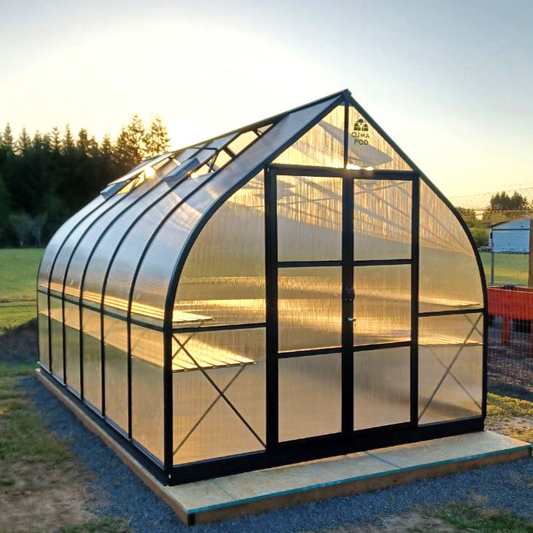
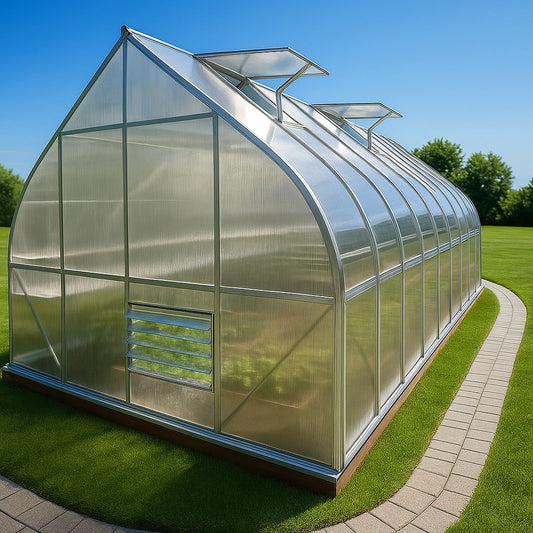
Many raised-bed gardeners use small greenhouses or cold frames to extend the season. Check our greenhouse kits and real customer reviews for inspiration: ClimaPod Greenhouse Kits • Customer Reviews.
Conclusion
Raised beds are flexible, productive, and accessible gardening solutions across the US. By adjusting height, materials, and irrigation to your USDA zone, maintaining rich soil, and rotating crops annually, your beds will provide abundant harvests year after year. Whether you’re a hobbyist or market grower, investing in well-designed beds maximizes yield and simplifies garden management.
Ready to get started? Explore durable greenhouses and see real setups on our site: Shop ClimaPod Greenhouses • See customer photos & feedback.