
Don’t Start These Seeds in February: Crops That Will Outgrow Your Setup
February is one of the most deceptive months for gardeners. A few bright, sunny days can spark the urge to start sowing everything at once. Garden centers reinforce this feeling with shelves full of colorful seed packets.
But starting too early is one of the most common mistakes, especially in temperate climates across the United States. Many crops will become leggy, weak, and disease-prone when grown in low light and cool indoor conditions.
Let’s take a closer look at which crops you should avoid starting in February and why waiting a few weeks leads to much better results.

Tomatoes for Outdoor Beds and Unheated Structures
February is better suited for planning than active sowing, especially when it comes to tomatoes.
If you start indeterminate varieties too early, they can become tall, spindly “jungle” plants by transplant time. These overgrown seedlings are harder to handle, more prone to breakage, and less resilient overall.
In addition, early-started seedlings often develop pale foliage and become more susceptible to fungal issues like damping-off.
Optimal sowing time
In most U.S. temperate regions, early to mid-March is ideal.
- Transplant into protected environments: mid-May
- Transplant outdoors: late May to early June (after last frost)
Cabbage (All Types)
Cabbage grows quickly and that’s exactly the problem with February sowing.
By the time outdoor conditions are suitable, seedlings often become overgrown and stretched. After transplanting, they struggle to establish and may become stressed or diseased.
Cold soil is another major issue. Even though cabbage is cold-tolerant, young roots won’t develop properly in soil below 45°F (7–8°C).
There’s also a risk of bolting - premature flowering triggered by stress or cold exposure.
Optimal sowing time
- Early varieties: mid-March (55–65 days before transplant)
- Mid/late varieties: late March to early April (40–50 days before transplant)
Tip: Adjust timing based on your local last frost date.
Pumpkin Family Crops (Cucumbers, Squash, Melons)
This group is especially sensitive to early sowing mistakes.
These crops grow extremely fast. Within 3–4 weeks, they’re ready for transplanting. If started in February, they will quickly outgrow containers and become root-bound.
Large, overgrown seedlings suffer severe transplant shock, especially since these plants have delicate root systems that dislike disturbance.
Optimal sowing time
- For unheated protected structures: mid to late April
- For outdoor planting with protection: early May
- For direct outdoor planting: mid to late May
Ideal transplant age: 20–30 days
Beets
Beets are not well-suited for early indoor sowing.
They develop a taproot that is easily damaged during transplanting. Early-started seedlings often lead to misshapen roots or bolting.
Older seedlings also have a higher risk of producing flower stalks instead of edible roots.
Best approach
Sow directly outdoors once soil reaches 45–50°F (7–10°C).
Optimal sowing time
Late April to early May in most U.S. regions
Fast-Growing Annual Flowers
Popular annuals like marigolds, zinnias, asters, and annual dahlias should also be kept off your February planting list.
These plants grow quickly and become leggy under insufficient light. Even with grow lights, they often stretch and weaken.
Early blooms indoors may seem appealing, but these plants typically perform worse after transplanting.
Optimal sowing time
- Marigolds: mid-April
- Zinnias: late April to early May
- Asters: late March to mid-April
- Annual dahlias: April
Later sowings consistently produce stronger, more compact, and more floriferous plants.
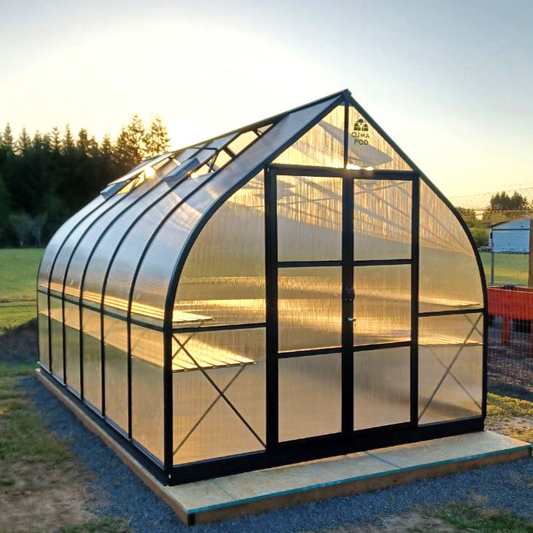
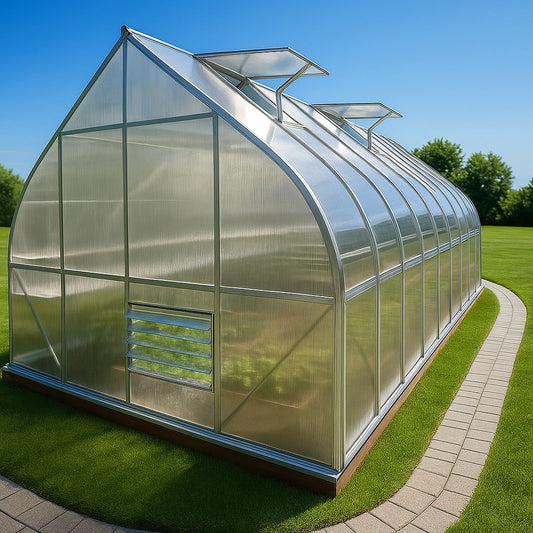
Can a Greenhouse Change the Timing?

A greenhouse can extend your growing season, but it doesn’t eliminate the limitations of light and temperature.
In unheated or minimally heated structures, February conditions are still challenging:
- Short daylight hours limit growth
- Night temperatures may drop too low
- Seedlings can still become leggy without supplemental lighting
However, a controlled greenhouse setup can justify slightly earlier sowing if you can provide:
- Consistent warmth (especially at night)
- Strong supplemental lighting
- Proper spacing and airflow
Without these factors, even greenhouse-grown seedlings may struggle. In most cases, waiting until March results in healthier, more manageable plants.
Final Thoughts
February is best used for preparation, not planting everything in sight.
Use this time to:
- Plan your garden layout
- Test seed viability
- Prepare soil mixes and containers
- Organize tools and supplies
Patience pays off. Seeds started at the right time will always outperform those started too early. In gardening, timing matters more than enthusiasm.
Remember: It’s better to plant a little late than far too early.