
June Gardening Checklist: Smart Summer Garden Care for Bigger Harvests and Healthier Plants
June is when the garden truly comes alive. Warm soil accelerates growth, seedlings begin to mature, and fruiting crops shift into high gear. But this rapid growth also creates perfect conditions for weeds, fungal diseases, and insect pressure.
For home gardeners and commercial growers alike, June is a critical transition month. The decisions you make now (watering practices, pruning, feeding, pest prevention, and soil management) directly affect harvest quality later in the season.
This guide covers the essential June gardening tasks for vegetable gardens, orchards, berry patches, and flower beds, with practical advice tailored to both backyard growers and productive greenhouse gardeners.
Why June Is a Critical Gardening Month
June often feels rewarding because plants grow fast and the garden finally looks full. At the same time, this is when many hidden problems begin.
Rapid vegetative growth increases plants’ demand for water, calcium, potassium, and nitrogen. Warm nights and heavy rains can trigger fungal diseases such as powdery mildew, early blight, and scab. Insects become more active as temperatures stabilize.
Consistent observation matters more now than in early spring. A small issue left unchecked for a week in June can become a major problem by July.
Vegetable Garden Tasks in June
Plant Heat-Loving Crops
Early June is still an excellent time to plant warm-season vegetables in many U.S. growing zones. Cucumbers, squash, pumpkins, melons, beans, and late cabbage varieties establish quickly in warm soil.
If daytime temperatures rise sharply, young transplants benefit from temporary shade cloth or light afternoon protection during the first week after planting.
Prune and Train Tomatoes

Tomatoes require active management in June. Remove suckers (the small shoots growing between the main stem and leaf branches) to improve airflow and direct energy into fruit production.
Indeterminate tomato varieties especially benefit from pruning and vertical support systems. Better airflow reduces humidity around foliage, which lowers the risk of fungal infections.
Over-pruning, however, can expose fruit to sunscald. Aim for balance rather than aggressive stripping.
Pinch and Train Cucumbers
Cucumber vines grow rapidly this month. Pinching excessive side growth helps plants focus on flowering and fruit set. Vertical trellising also improves pollination access and keeps foliage drier after watering.
In greenhouse environments, proper cucumber training dramatically improves airflow and harvesting efficiency.
Thin Root Crops
Carrots, beets, and other root vegetables need space to develop properly. Thin seedlings once they develop true leaves.
Many gardeners hesitate to remove healthy seedlings. But overcrowding leads to twisted roots, uneven sizing, and lower yields.
A second thinning can be done later for baby vegetables and early harvests.
Control Weeds Early
June weeds compete aggressively for moisture and nutrients. Removing them while still small prevents larger infestations later.
Mulching is one of the most effective long-term solutions. Organic mulch helps:
- retain soil moisture;
- reduce weed germination;
- stabilize soil temperature;
- improve soil structure over time.
Straw, shredded leaves, untreated grass clippings, and fine bark mulch all work well depending on climate and crop type.
Fruit Tree and Orchard Care
Remove Damaged or Excess Fruit
Fruit trees naturally shed part of their crop in June, a process often called “June drop.” This is normal. Trees self-regulate to avoid overloading branches and exhausting their energy reserves.
If trees still carry excessive fruit after natural thinning, manual fruit thinning helps improve final fruit size and reduces branch breakage.

For apples and pears, leaving one or two fruits per cluster usually produces better-quality harvests.
Watch for Common Orchard Pests
Codling moths, sawflies, aphids, and leaf rollers become highly active in early summer. Preventive monitoring is far more effective than reacting after infestation spreads.
Inspect developing fruit regularly for:
- tiny entry holes;
- curled leaves;
- sticky residue;
- premature fruit drop.
Integrated Pest Management (IPM) practices: combining monitoring, biological controls, sanitation, and targeted treatment; provide the most sustainable long-term results.
Feed Trees Properly
Heavy nitrogen feeding late in spring can encourage excessive leafy growth at the expense of fruit development.
By June, fruiting trees often benefit more from phosphorus and potassium support, especially during fruit sizing. Compost teas and fermented plant infusions can supplement soil biology naturally when used correctly.
Berry Patch Maintenance

Manage Strawberry Runners
Strawberries begin producing runners aggressively in June. Remove unnecessary runners to direct energy toward fruit production unless you intentionally want new plants for propagation.
Mulching beneath strawberry plants with straw or clean wood shavings helps keep fruit clean and reduces fungal issues caused by soil splash.
Care for Raspberries
Good airflow is essential for raspberries. Thin crowded canes and remove weak growth.
Water deeply in the morning rather than late evening. Wet overnight foliage increases the risk of fungal diseases such as botrytis and cane blight.
Harvest berries frequently. Overripe fruit attracts insects and can quickly spread mold in humid conditions.
Propagate Currants and Gooseberries
June is a productive time for softwood cuttings and layering techniques. Healthy young shoots root relatively quickly under consistent moisture and moderate shade.

Flower Garden Work in June
Plant Summer Bloomers
Dahlias, chrysanthemums, heat-loving annuals, and container flowers establish quickly in warm June soil.
Deadheading (removing spent flowers) encourages many ornamentals to continue blooming longer through the season.
Divide and Propagate Perennials
Irises, primroses, and some early-flowering perennials can be divided after blooming. Division rejuvenates overcrowded plants and improves flowering performance over time.
Store Bulbs Correctly
Tulip, hyacinth, and daffodil bulbs may be lifted after foliage dies back naturally. Proper drying and storage are essential.
Bulbs should be cured in a dry, shaded, well-ventilated area before storage to prevent fungal rot.
Watering and Feeding Strategies
June watering should prioritize consistency rather than frequency.
Shallow daily watering encourages weak surface roots. Deep watering less often promotes stronger root systems and improves drought tolerance.
Container plants and greenhouse crops dry out significantly faster than open-ground gardens. During heat waves, they may require watering twice daily.
Fertilizing during extreme heat or before sudden cold snaps can stress plants. Apply nutrients when temperatures are stable and soil moisture is adequate.
Pest and Disease Prevention
Preventive garden care is far easier than emergency treatment.
Many common June diseases are caused by fungal pathogens that thrive in humid, stagnant conditions. Proper spacing, pruning, mulching, and morning watering dramatically reduce disease pressure.
Companion planting can also support natural pest management. Garlic, onions, calendula, tansy, and herbs may help discourage certain insect populations when integrated thoughtfully into planting layouts.
Healthy soil remains the foundation of plant resilience. Strong plants tolerate stress, pests, and weather fluctuations far better than nutrient-deficient crops.
Greenhouse Gardening in June

Greenhouses become highly productive in June, but heat management becomes critical.
Without proper ventilation, temperatures inside a greenhouse can rise dangerously fast, even on moderately warm days. Excess heat interferes with pollination, slows fruit set, and stresses plants.
Key greenhouse priorities for June include:
- maintaining strong airflow;
- monitoring humidity levels;
- consistent irrigation;
- vertical training systems;
- regular pruning and sanitation.
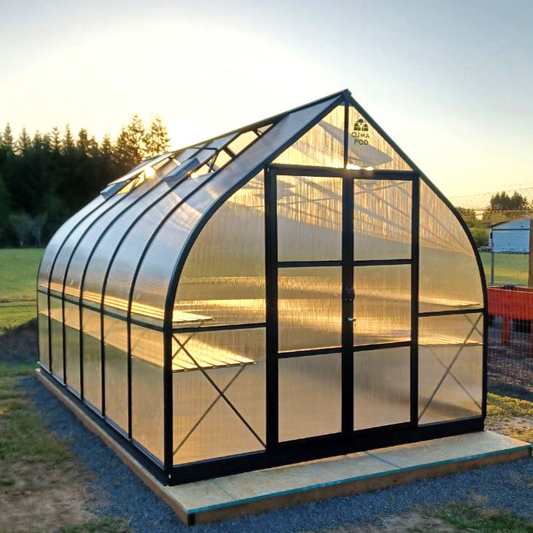
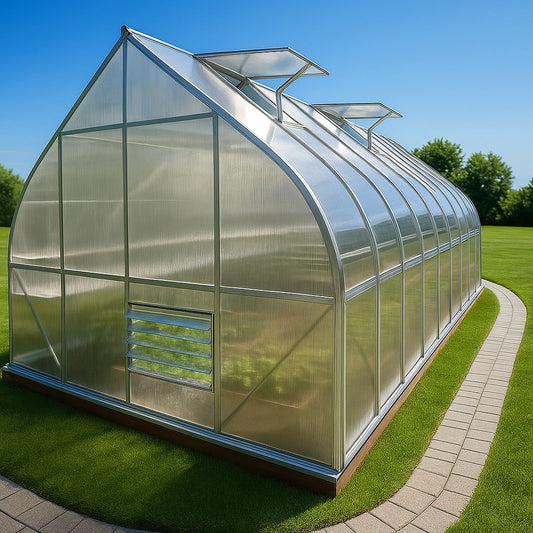
Polycarbonate greenhouses are especially effective for extending productivity when ventilation and shading are managed correctly during peak summer conditions.
Final Thoughts
June sets the tone for the entire growing season.
Small, consistent actions now (pruning, thinning, mulching, feeding, and monitoring) create healthier plants and larger harvests later in summer. Whether you manage a backyard garden, a productive homestead, or a commercial greenhouse operation, disciplined June maintenance pays off for months.
The most successful growers are rarely the ones reacting to problems. They are the ones preventing them before they start.