
July Gardening Checklist: Essential Mid-Summer Tasks for Healthier Gardens and Bigger Harvests
July often feels like a quieter month in the garden. Spring planting is mostly finished, many crops are growing rapidly, and the first harvests are arriving. But this is not the time to step away. Consistent watering, timely harvesting, careful pest monitoring, and a few strategic maintenance tasks during July have a major impact on the quality of your late-summer and fall harvests.
Whether you grow vegetables in raised beds, maintain an orchard, or manage crops inside a greenhouse, this practical July checklist will help keep your plants productive through the hottest part of the season.
Why July Matters
Plants experience some of their greatest stress during July. High temperatures, strong sunlight, and periods of drought can reduce yields if gardens are neglected. At the same time, fruits and vegetables are developing rapidly, making this month one of the most rewarding for gardeners.
Watering During Summer Heat

Water becomes the most important resource during July. Deep, infrequent watering encourages stronger root systems than frequent shallow irrigation.
Fruit Trees
Water slowly beneath the entire canopy rather than only around the trunk. Mature trees generally benefit from a deep soaking that moistens the root zone several feet into the soil. Exact water needs depend on tree size, soil type, rainfall, and temperature.
Berry Bushes
Raspberries, blueberries, blackberries, and currants require consistent moisture while fruit is developing. Apply water directly to the soil to reduce leaf wetness and minimize fungal diseases.
Vegetable Gardens
Tomatoes, cucumbers, peppers, squash, and beans all produce better when soil moisture remains consistent. Fluctuating moisture can contribute to fruit cracking, blossom-end rot, and reduced yields.
Adding two to four inches of organic mulch helps conserve moisture, suppress weeds, and moderate soil temperature throughout summer.
Smart Mid-Summer Fertilizing
July is not the time for heavy feeding with high-nitrogen fertilizers, especially for established fruit trees. Excess nitrogen late in the season may encourage soft new growth that is more vulnerable to pests and winter injury.
Instead, focus on:
- Balanced fertilizers where needed
- Potassium-rich fertilizers to support fruit development
- Compost or other organic soil amendments
- Soil testing when nutrient deficiencies are suspected
If annual shoot growth on fruit trees appears unusually weak or foliage becomes pale, a light supplemental feeding may be beneficial.
Protecting Plants from Pests and Diseases
Regular scouting is far more effective than reacting after major damage has occurred.
Inspect plants weekly for:
- Leaf spots
- Chewed foliage
- Wilting shoots
- Discolored fruit
- Signs of insect activity beneath leaves
Whenever possible, begin with cultural and biological controls before considering chemical treatments. Proper spacing, pruning, sanitation, crop rotation, and removing infected plant material often prevent larger outbreaks.
If treatments become necessary close to harvest, always follow label directions and observe the required pre-harvest interval.

Birds may also become a challenge as berries and fruit ripen. Lightweight bird netting is often the safest and most effective protection.
Harvesting Fruit and Berries
Many fruits begin reaching peak flavor during July. Harvest regularly rather than allowing fruit to become overripe.
Common July harvests include:
- Raspberries
- Blueberries
- Currants
- Gooseberries
- Cherries
- Early peaches
- Early apples in some regions
Heavy fruit loads may require temporary branch supports to prevent limbs from breaking before harvest.
July Vegetable Garden Tasks
Tomatoes
- Remove suckers on indeterminate varieties if desired.
- Support heavy vines.
- Monitor for early blight and late blight.
- Harvest frequently.
Cucumbers
- Harvest every day or two.
- Keep soil consistently moist.
- Continue fertilizing lightly if plants remain productive.
Onions and Garlic
Reduce watering as bulbs mature. Harvest garlic once several lower leaves have dried naturally, then cure bulbs in a shaded, well-ventilated location.
Potatoes
Maintain soil moisture during tuber development and monitor plants for signs of foliar disease.
Cabbage and Cauliflower
Maintain consistent watering. In hot climates, cauliflower heads benefit from protection against direct afternoon sunlight by tying outer leaves loosely over the developing curd.
Root Crops
Thin carrots and beets where needed to allow proper root development.
Succession Planting
July is also an excellent time to sow fast-growing crops for late summer and fall harvests, including lettuce, radishes, spinach, cilantro, dill, and turnips.

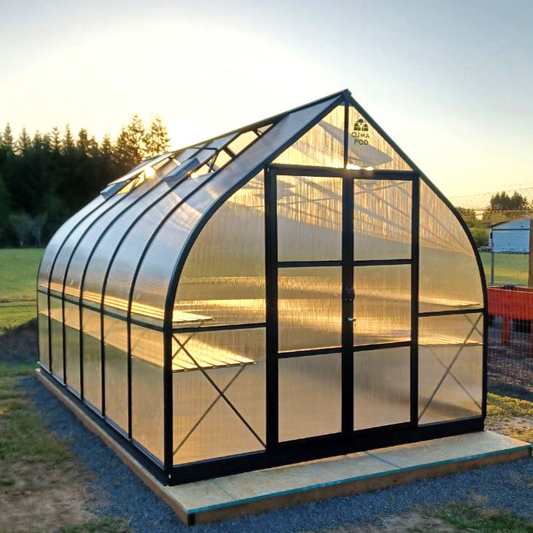
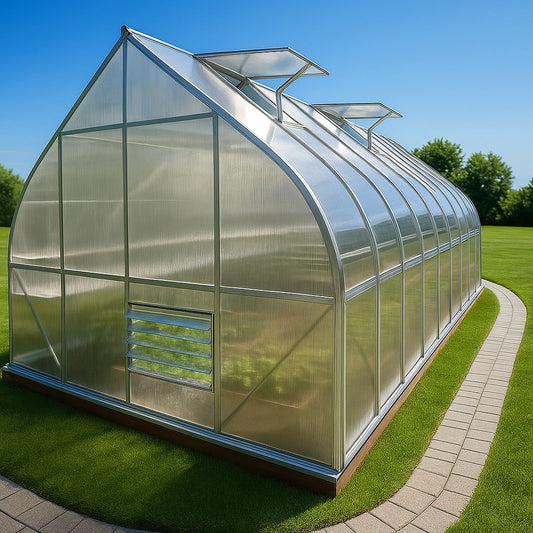
Greenhouse Care in July
Greenhouse growers face additional challenges during midsummer.
- Ventilate early in the morning.
- Use shade cloth if temperatures become excessive.
- Maintain steady irrigation.
- Increase airflow with fans where available.
- Harvest frequently to encourage continued production.
- Watch closely for spider mites, whiteflies, and aphids, which thrive in hot conditions.
Consistent temperature management helps reduce plant stress and supports better fruit quality throughout the season.
Final Thoughts
July is less about planting and more about protecting the investment you've already made. Deep watering, careful harvesting, regular inspections, thoughtful fertilizing, and proactive pest management all contribute to healthier plants and larger harvests. By staying consistent throughout midsummer, you'll set the stage for continued production well into late summer and early fall.