
May Gardening Checklist: What to Plant, Prune, and Prepare for a Successful Growing Season
May is one of the most rewarding and busiest months for gardeners across the United States. Soil temperatures rise quickly, daylight hours increase, and both vegetable crops and ornamental plants enter an active growth phase. It’s the moment when spring preparation turns into real momentum. Beds are planted, greenhouses fill with seedlings, lawns recover from winter stress, and orchards begin setting fruit.
But successful May gardening is not just about planting as much as possible. Timing, soil preparation, moisture management, and crop placement all play a major role in how productive your season will be. Whether you manage a backyard greenhouse, a suburban vegetable garden, or a small farm, the work you do in May often determines the quality of your harvest later in summer.
Where to Start the May Gardening Season
May gardening begins with preparation. Even experienced growers who cleaned their gardens in early spring usually perform another round of maintenance before summer planting begins. Fallen branches, dead foliage, and leftover plant debris can still harbor fungal spores, overwintering insects, or disease pathogens that become active as temperatures rise.
Start by clearing garden beds, pathways, greenhouse corners, and areas around shrubs or fruit trees. This improves airflow and reduces pest pressure naturally. In humid regions, better airflow is especially important because it lowers the risk of mildew and fungal diseases later in the season.
Next comes soil preparation. Loosen compacted soil carefully to improve oxygen exchange around plant roots. Healthy soil biology depends on this process. Roots require oxygen for respiration just as much as they need water. Incorporating well-aged compost at this stage improves soil structure, moisture retention, and microbial activity without overwhelming young plants with excessive nutrients.
What to Plant in May
May is the transition month between cool-season and warm-season planting. However, exact timing depends heavily on your USDA hardiness zone and local nighttime temperatures. In northern states, gardeners may still experience late frosts early in the month, while southern growers often begin harvesting early spring crops already.
Before planting, organize crops according to sunlight exposure and spacing requirements. Tomatoes, cucumbers, peppers, squash, and eggplants thrive in full sun and warm soil. Leafy greens, onions, carrots, and some brassicas tolerate partial shade more successfully.
Early May Planting
During the first part of the month, focus on frost-tolerant crops outdoors. These include:
- Cabbage
- Kale
- Spinach
- Radishes
- Beets
- Carrots
- Peas
Warm-season crops like tomatoes, peppers, cucumbers, and eggplants are often safer inside greenhouses or high tunnels until nighttime temperatures stabilize above 50°F.
Mid-May Planting
As soil temperatures rise, gardeners can expand planting considerably. This is the ideal period for:
- Sweet corn
- Bush beans
- Zucchini
- Summer squash
- Cauliflower
- Kohlrabi
- Herbs
Raised beds warm faster than ground-level gardens, allowing earlier planting in cooler climates. Check moisture frequently because elevated soil dries out more quickly during warm spring winds.

Late May Planting
Late May is often the ideal time for planting potatoes, melons, pumpkins, and heat-loving vine crops in colder regions. Soil warmth becomes more stable, which encourages faster germination and stronger root establishment.
This is also an excellent time to succession sow crops like lettuce, radishes, and cilantro. Succession planting simply means sowing smaller amounts every 1–2 weeks instead of planting everything at once. This technique extends harvest windows and prevents waste.
Preparing Garden Beds and Soil

Healthy soil is the foundation of productive gardening. Before planting heavily, inspect raised beds and in-ground plots for compaction, drainage issues, or nutrient deficiencies.
In most gardens, adding organic matter remains one of the most effective improvements. Compost increases microbial diversity, supports earthworm activity, and improves water retention while still allowing excess moisture to drain properly.
Mulching is equally important in May. Organic mulches such as straw, shredded bark, untreated grass clippings, or leaf mold help stabilize soil temperatures and suppress weeds naturally. They also reduce evaporation during sudden early-season heat waves.
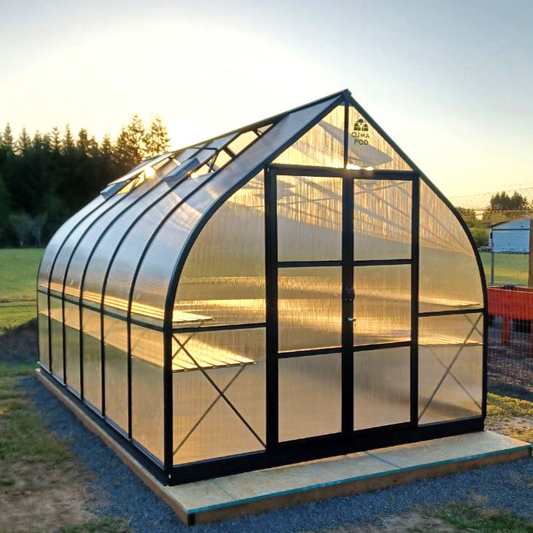
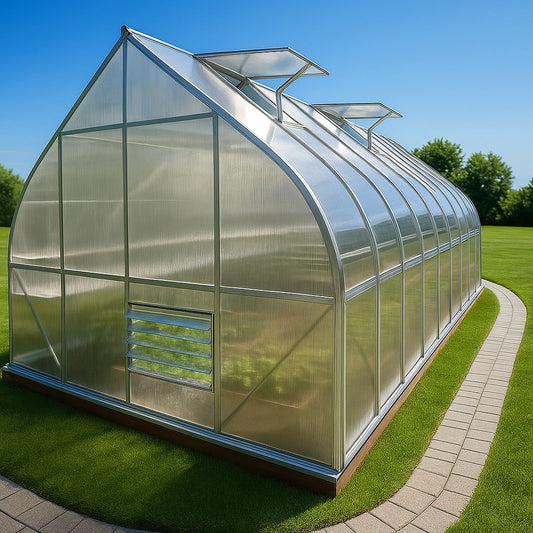
If you use a greenhouse, inspect ventilation systems carefully before summer temperatures arrive. Proper airflow reduces humidity buildup and helps prevent fungal diseases such as powdery mildew and botrytis, a gray mold commonly affecting tomatoes, peppers, and flowers.
Caring for Fruit Trees and Berry Bushes

Fruit trees and berry bushes enter a critical stage in May. Blossoms transition into developing fruit, and plants require stable moisture to support this process.
Water deeply rather than frequently. Deep watering encourages roots to grow downward where moisture remains more stable during summer heat. Shallow watering often produces weaker root systems that dry out quickly.
Apply mulch around trees and shrubs while keeping several inches of space around the trunk itself. This helps conserve moisture and reduce weed competition without increasing the risk of bark rot.
Spring Pest and Disease Management
Inspect apple, pear, plum, and cherry trees regularly for signs of fungal infection or insect activity. Early intervention is far easier than treating established infestations later in the season.
Common spring concerns include:
- Aphids on young shoots
- Apple scab on leaves
- Codling moth activity
- Powdery mildew on berries
Integrated Pest Management (IPM) strategies work especially well during May. IPM combines monitoring, biological controls, sanitation, and selective treatment methods to reduce chemical dependence while maintaining crop health.

May Flower Garden Tasks

Flower gardens experience rapid growth during May, especially perennial borders and bulb plantings. This is the month when regular maintenance begins making a visible difference.
Young perennial shoots may still need frost protection in colder climates. Lightweight frost cloths, overturned containers, or temporary row covers can prevent damage during sudden cold snaps.
Climbing plants such as clematis, climbing roses, or sweet peas should be tied to supports early while stems remain flexible. Delaying this task often leads to broken growth during windy weather.
Bulb flowers also benefit from continued attention after blooming. Avoid removing foliage immediately after flowers fade. The leaves continue photosynthesis, helping the bulb store energy for next season’s bloom cycle.
Pruning and Airflow
Dense ornamental shrubs may require light thinning in late spring. Proper airflow helps reduce fungal disease pressure while improving light penetration inside the plant canopy.
This is particularly important for roses, hydrangeas, and fast-growing ornamental shrubs. Good spacing and selective pruning often prevent more disease problems than spraying alone.
Lawn and Pond Care in May
Lawns recover aggressively during May, but they also become vulnerable to moss growth, compaction, and uneven moisture.
If moss appears, improve drainage and airflow before relying on treatments alone. Moss usually indicates underlying environmental conditions rather than being the primary problem itself.
Overseed thin lawn areas while temperatures remain mild. Grass seed germinates more successfully in spring soil before intense summer heat arrives.
Garden ponds also become more active this month. Warmer water temperatures encourage algae growth, particularly in shallow ponds exposed to direct sunlight. Remove filamentous algae manually before it spreads excessively.
Fish feeding should remain moderate during spring. Water temperatures fluctuate rapidly, and overfeeding can negatively affect water quality.
And finally, remember to enjoy the season itself. May gardening is not only about work. It is also the reward of seeing fresh growth, flowering trees, healthy seedlings, and longer evenings returning after winter.
Final Thoughts
May is the month that sets the tone for the entire gardening season. Careful soil preparation, thoughtful planting schedules, proper watering, and early maintenance all contribute to healthier plants and stronger harvests later in the year.
Whether you grow vegetables outdoors, manage a greenhouse, care for fruit trees, or maintain ornamental landscapes, consistency matters more than perfection. Small actions performed at the right time often have the biggest long-term impact in the garden.