
Greenhouse Planning Checklist: What to Do Before Spring Starts
Why Greenhouse Planning Matters Before Spring
Spring is the busiest time of year for growers, and waiting until temperatures rise is often too late to fix problems or plan efficiently. A greenhouse gives you a head start, but only if it’s fully prepared before planting begins.
Pre-season planning helps you avoid delays, reduce crop losses, and make better use of space and resources. Whether you're starting seedlings or growing full-season crops, a little preparation now saves a lot of frustration later.

Inspect and Repair Your Greenhouse Structure
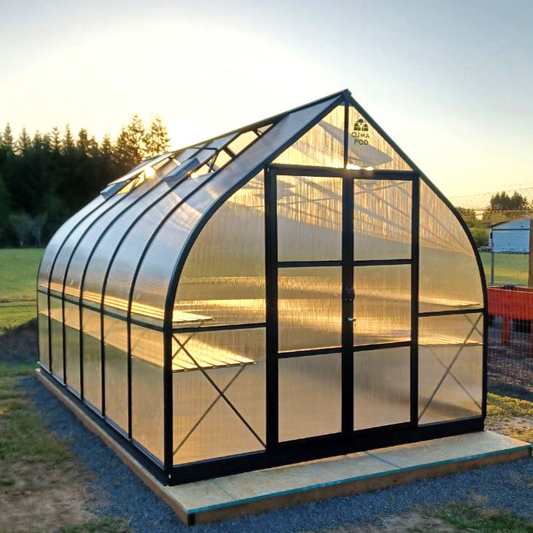
Start with a full inspection of your greenhouse structure. Winter weather can cause small issues that turn into major problems once growing begins.
What to check
- Cracks or gaps in panels or glazing (the transparent covering that lets in light)
- Loose frames or bolts
- Damaged doors, hinges, or vents
- Signs of leaks or drafts
Even small air leaks can disrupt temperature control. Seal gaps with weatherstripping or greenhouse tape, and replace damaged panels if needed.

Test and Optimize the Growing Environment
Your greenhouse environment determines how well plants grow. Before spring, make sure all systems are working properly.
Key factors to review
- Temperature control: Test heaters and ventilation systems
- Ventilation: Ensure proper airflow to prevent mold and overheating
- Humidity: High humidity encourages disease; aim for balance
- Light exposure: Clean panels to maximize sunlight

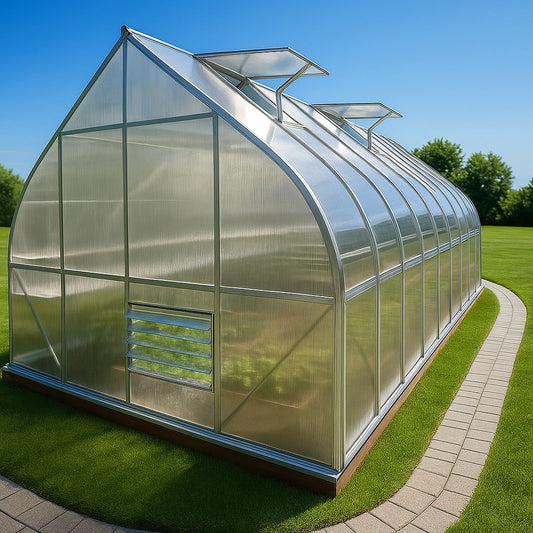
Ventilation means moving fresh air through the space to regulate temperature and reduce moisture buildup. Even passive ventilation (like roof vents) makes a big difference.

Plan Your Growing Space and Layout
A well-organized greenhouse is more productive and easier to manage. Think about how you'll use every square foot.
Layout considerations
- Bench placement for seedlings
- Walkways wide enough for access
- Vertical growing options like shelving or trellises
- Crop grouping based on similar needs
A common mistake is overcrowding early in the season. Leave room for plants to mature, especially if you plan to keep crops in the greenhouse long-term.

Prepare Soil, Beds, and Containers
Healthy plants start with healthy growing media. Whether you use in-ground beds, raised beds, or containers, preparation is key.
What to do
- Remove old plant debris to prevent disease carryover
- Refresh soil with compost or organic matter
- Test soil pH (measure of acidity or alkalinity)
- Disinfect reused pots and trays
If you're reusing soil, avoid planting the same crop in the same spot year after year. This practice, called crop rotation, helps prevent nutrient depletion and disease buildup.

Choose Crops and Build a Planting Schedule
Decide what you want to grow before spring arrives. This helps you stay organized and ensures timely planting.
Popular greenhouse crops
- Tomatoes and peppers for early transplanting
- Lettuce, spinach, and other greens
- Herbs like basil and cilantro
- Seedlings for outdoor gardens
Create a planting schedule based on your last frost date (the average final freeze in your area). In most US regions, this varies widely, from February in the South to May or later in the North.

Stock Up on Seeds and Supplies
Late winter is the best time to gather everything you’ll need. Waiting until spring can limit availability and delay planting.
Essential supplies
- Seeds (check germination rates and expiration dates)
- Seed trays and containers
- Growing medium or potting mix
- Fertilizers (nutrients that support plant growth)
- Labels and markers
Order seeds early, especially for popular varieties. Many growers run into shortages by mid-spring.

Prevent Pests and Diseases Before They Start
Greenhouses create ideal conditions not just for plants, but for pests and diseases too. Prevention is far easier than control.
Preventive steps
- Clean all surfaces, tools, and equipment
- Remove weeds inside and around the greenhouse
- Inspect for overwintering insects
- Use insect screens if needed

Overwintering insects are pests that survive the cold season inside protected spaces. If you don’t remove them early, they can multiply quickly once temperatures rise.

Check Irrigation and Water Systems
Consistent watering is critical, especially in a controlled environment. Test your system before plants go in.
Things to verify
- No leaks or clogged lines
- Even water distribution
- Proper drainage
- Water source reliability
Drip irrigation is a common system that delivers water directly to plant roots. It reduces waste and helps prevent fungal issues caused by wet leaves.

Adjust for Your US Growing Region
Greenhouse planning isn’t one-size-fits-all. Your approach should reflect your climate.
Regional considerations
- Southern states: Focus on ventilation and heat control early
- Northern states: Prioritize insulation and heating
- Coastal areas: Watch humidity and salt exposure
- High altitudes: Expect large temperature swings
Your local extension service (a university-backed agricultural resource) can provide region-specific planting dates and greenhouse advice.
Common Greenhouse Planning Mistakes
Even experienced growers make avoidable mistakes when rushing into the season.
- Starting seeds too early without enough light
- Ignoring ventilation until overheating occurs
- Overcrowding plants
- Skipping cleaning and sanitation
- Not planning crop timing properly
Most of these issues come down to lack of preparation. A clear plan helps you avoid them entirely.
Final Pre-Spring Checklist

Before planting begins, run through this quick checklist:
- Greenhouse structure inspected and repaired
- Environmental systems tested
- Layout planned and organized
- Soil and containers prepared
- Crops selected and schedule created
- Seeds and supplies ready
- Pest prevention measures in place
- Irrigation system tested
Getting these steps done before spring puts you ahead of the curve. Instead of reacting to problems, you’ll be focused on growing strong, healthy plants from day one.