
March Gardening Checklist: 15 Essential Tasks for a Thriving Spring Garden & Greenhouse
March marks the true beginning of the gardening season across much of the United States. As winter loosens its grip, longer days and rising temperatures signal that it’s time to get back outside and get to work. This is the month when smart preparation pays off: pruning trees before bud break, starting seeds at the right time, improving soil structure, and protecting plants from early pests and temperature swings. Whether you’re tending a backyard garden or managing a larger growing space, this comprehensive March checklist will help you prioritize the right tasks and set the foundation for a healthy, productive season.
Table of Contents
- Why March Matters
- Outdoor Garden Tasks
- Tree & Shrub Care
- Seed Starting & Indoor Growing
- Soil Preparation & Beds
- Pest & Disease Prevention
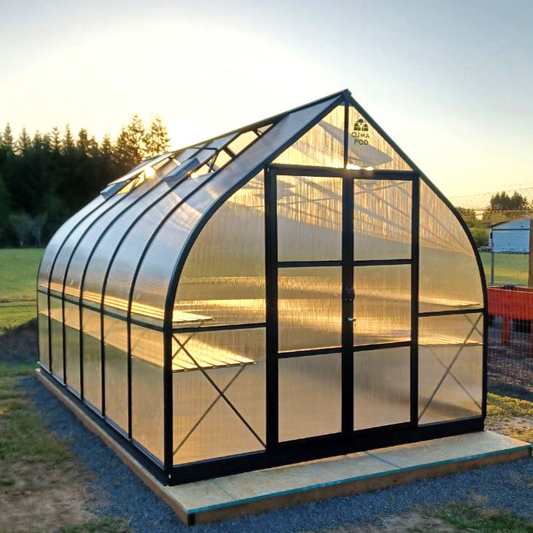
- Greenhouse Gardening (ClimaPod Tips)
- What to Plant in March (US Zones)
- Final Tips
- Bonus
- Final Thoughts
Why March Matters for Garden Success
March is a turning point in the gardening calendar across much of the United States. As temperatures begin to rise and daylight increases, plants transition out of dormancy. The work you do now (pruning, soil preparation, and early planting) directly impacts the health, yield, and resilience of your garden throughout the growing season.
Whether you're a home gardener or managing a larger landscape, March is about preparation, timing, and prevention.
Outdoor Garden Tasks
1. Clean Up Garden Beds
Remove fallen leaves, broken branches, and plant debris. This reduces the risk of fungal diseases and eliminates overwintering pests.
2. Manage Snow & Water (If Applicable)
In colder regions, redistribute remaining snow onto garden beds to improve soil moisture. Ensure proper drainage to prevent root rot caused by standing meltwater.
3. Install Rainwater Collection
Set up rain barrels early to capture spring rainfall - an eco-friendly way to irrigate your garden later in the season.
Tree & Shrub Care

4. Inspect and Prune Trees
Remove dead, damaged, or diseased branches before active growth begins. Focus on:
- Fruit trees (apple, pear, cherry);
- Berry bushes (currants, gooseberries);
- Grapevines.
Always prune back to a healthy bud and sanitize tools between cuts.
5. Protect Against Sunscald
Young trees are vulnerable to temperature swings. Apply tree wrap or a protective coating to prevent bark cracking.
6. Whitewashing (Optional)
Some gardeners use diluted lime solutions to reflect sunlight and deter pests. While debated, it can help in regions with strong sun fluctuations.
7. Plant New Trees & Shrubs
Late March is ideal for planting dormant trees before buds break. Suitable options include:
- Fruit trees (apple, plum, peach);
- Berry shrubs;
- Ornamental plants.
Ensure soil is workable and not waterlogged.
Seed Starting & Indoor Growing

8. Start Seeds Indoors
March is prime time to sow warm-season crops indoors:
- Tomatoes;
- Peppers;
- Eggplant;
- Cabbage.
9. Transplant (Prick Out) Seedlings
Once seedlings develop 2–3 true leaves, transplant them into larger containers to prevent overcrowding and encourage strong root systems.
10. Harden Off Seedlings
Gradually expose young plants to outdoor conditions before transplanting to reduce shock.
Soil Preparation & Beds

11. Prepare Garden Beds
As soon as soil is workable:
- Add compost or well-rotted manure;
- Loosen compacted soil;
- Remove early weeds.
Different crops have different needs: leafy greens prefer nitrogen-rich soil, while root crops need loose, well-drained beds.
12. Mulch Early
Apply organic mulch to retain moisture, regulate temperature, and suppress weeds.
13. Prepare Seed Potatoes
Start chitting (pre-sprouting) potatoes in a bright, cool location to encourage faster growth after planting.
Pest & Disease Prevention

14. Early Pest Control
Before buds swell, apply dormant sprays such as horticultural oil to control overwintering insects and eggs.
15. Hot Water Treatment for Berries
Pour hot water (~160°F / 70°C) over dormant berry bushes to reduce mites and fungal spores.
16. Encourage Beneficial Wildlife
Install birdhouses and feeders because birds help control insect populations naturally.
March Greenhouse Gardening (ClimaPod Tips)

A greenhouse can dramatically extend your growing season and improve plant health in early spring.
17. Prepare Your Greenhouse
- Clean glazing panels to maximize sunlight;
- Sanitize surfaces to prevent disease;
- Check ventilation and irrigation systems.
18. Start Earlier & Grow Stronger
Using a greenhouse allows you to:
- Start seedlings weeks earlier than outdoors;
- Maintain stable temperatures;
- Protect plants from frost and wind.
19. Optimize Temperature & Humidity
Monitor conditions daily. Proper air circulation and humidity control are key to preventing mold and seedling damage.
What to Plant in March (US Zones)
Planting depends on your USDA hardiness zone:
Cool Regions (Zones 3–5)
- Start seeds indoors;
- Direct sow: spinach, peas (late March).
Moderate Regions (Zones 6–7)
- Direct sow: carrots, radishes, lettuce;
- Plant potatoes.
Warm Regions (Zones 8–10)
- Plant beans, squash, tomatoes (late March);
- Transplant seedlings outdoors.
Final Tips for March Gardening
- Work with soil moisture, avoid working wet soil;
- Track local frost dates carefully;
- Prioritize preventive care over reactive fixes.
March sets the tone for the entire growing season. A well-prepared garden now leads to healthier plants, fewer pests, and higher yields in the months ahead.
20. Still Don’t Have a Greenhouse? Time to Fix That 😉
If every March feels like a race against unpredictable weather, late frosts, and slow seedling growth, you’re not alone. Many gardeners reach a point where they realize: a greenhouse isn’t a luxury anymore, it’s a serious upgrade.
A quality greenhouse gives you control over temperature, extends your growing season by weeks (or even months), and dramatically improves seedling success rates. In other words, it turns March from a gamble into an advantage.
- Consider investing in a greenhouse. If you’re serious about earlier harvests, healthier plants, and less weather-related stress, this is the season to make the move. Future you (and your plants) will be very grateful.
Final Thoughts: Set the Tone for the Entire Season
March is where the growing season truly takes shape, what you do now has a lasting impact on how your garden performs in the months ahead. The time you invest now in pruning, soil preparation, seed starting, and protection from pests and weather will directly determine your results in summer and fall.
Stay observant, work with your local climate, and focus on prevention rather than correction. Even small, consistent actions this month can lead to noticeably stronger plants and higher yields.
And if you’re looking to simplify the process and gain more control over your growing conditions, adding a greenhouse to your setup may be one of the smartest long-term decisions you can make.
Here’s to a productive, rewarding gardening season ahead 🌱