
What to Start in February: Seed-Starting Timing Guide for Strong, Healthy Seedlings
February marks the true beginning of the gardening season for many growers across the United States. It’s the time to start seeds indoors but success depends on precise timing. Starting too early can lead to weak, overgrown seedlings, while delaying too long may shorten your harvest window.
This guide explains what to sow in February, when to do it, and how to adjust your timing based on climate, light conditions, and growing setup.
General Seed-Starting Principles

Successful seedlings depend on more than just sowing dates. Consider these key factors:
Transplant timing: Some crops depend on plant age (like tomatoes), while others depend more on soil temperature (like cucumbers).
Cold tolerance: Crops like cabbage tolerate cooler conditions and can be transplanted earlier, while warm-season crops must wait until soil temperatures rise.
Indoor vs outdoor planting: If you're growing for early harvests indoors or under protection, you can start seeds earlier than outdoor growers.
Adjusting for USDA Growing Zones
The U.S. spans a wide range of climates, so timing varies significantly:
- Zones 8–10 (South): Start seeds 1–3 weeks earlier than average. Transplanting may begin as early as March.
- Zones 6–7 (Mid-regions): Follow standard February schedules. Transplanting typically begins in April–May.
- Zones 3–5 (North): Delay sowing by 2–4 weeks unless using grow lights or protected structures.
Always align your schedule with your last frost date, not just the calendar.
Lighting Requirements

February daylight is insufficient for most seedlings. Even a bright windowsill rarely provides enough light.
For strong, compact growth, seedlings need 12–16 hours of light per day. This typically requires supplemental lighting.
If you do not have additional lighting, it is best to delay sowing until early March to avoid leggy, weak plants.
How to Calculate Your Ideal Sowing Dates
You can determine optimal sowing dates with a simple method:
- Start with your region’s average last frost date
- Subtract the recommended seedling age at transplant
- Subtract germination time
- Add 5–10 days for hardening off
This gives you a reliable sowing window tailored to your conditions.
Vegetable Seed-Starting Chart (February)

The following crops can be started in February under proper lighting conditions or in protected environments:
| Crop | When to Sow | Transplant Timing |
| Onions | Early February | 30–45 days old |
| Tomatoes | Early to mid-February | 45–70 days depending on variety |
| Peppers | Early February | 65–75 days old |
| Eggplant | Early to mid-February | 60–70 days old |
| Early Cabbage | Early to mid-February | 30–45 days old |
| Leeks | Late February | Transplant after frost risk |
| Celery | Mid to late February | Transplant in April–May |
Note: Warm-season crops like cucumbers and zucchini are typically started later unless grown in controlled environments.
Flower Seed-Starting Chart (February)

Many ornamental plants require early indoor sowing due to long growing cycles or sensitivity to cold.
| Plant | Sowing Time | Transplant Conditions |
| Petunia | January–February | After last frost |
| Begonia | Late January–February | May |
| Salvia | Mid-February | Soil above 50°F (10°C) |
| Viola | Late January–February | 50–65 days old |
| Verbena | February–March | Late spring |
| Lavender | Late January–early February | After frost risk |
| Snapdragon | Mid–late February | Late spring |
Tip: Some small seeds (like petunia and begonia) require light to germinate and should not be covered with soil.
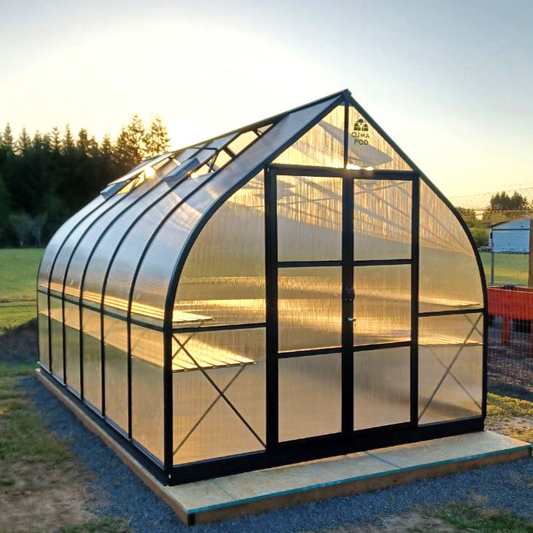
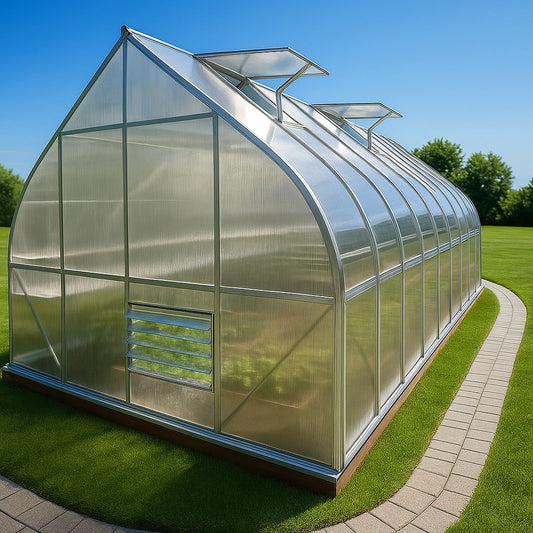
Using a Greenhouse for Earlier Starts

A protected growing environment allows for more flexibility and earlier planting schedules.
Heated structures: Enable sowing on standard February timelines or even earlier.
Unheated structures: Typically require adding 1–3 weeks to recommended sowing dates, depending on nighttime temperatures.
In controlled environments, you can also start fast-growing crops and greens for early harvest cycles.
This approach is especially valuable in colder USDA zones, where outdoor growing seasons are shorter.
Final Thoughts
Starting seeds in February is one of the most important steps in building a productive garden season. By aligning timing with your climate, providing sufficient light, and understanding each crop’s needs, you set your plants up for strong growth and higher yields.