
Your September Gardening Checklist: What to Do Before the Season Turns
Most gardening advice treats September like cleanup month. Pull the spent tomato vines, rake a few leaves, call it done. That's a mistake. September is when the garden's next six months get decided, and the decisions you make now, or skip making, show up as either a productive fall harvest and a strong spring or a yard full of winter damage and bare soil.
Why September Is a Pivot Point, Not an Afterthought
Most gardening advice treats September like cleanup month. Pull the spent tomato vines, rake a few leaves, call it done. That's a mistake. September is when the garden's next six months get decided, and the decisions you make now, or skip making, show up as either a productive fall harvest and a strong spring or a yard full of winter damage and bare soil.
The reason comes down to timing windows that don't repeat. Cool-season crops need enough weeks before frost to mature. Perennials need enough weeks to root before the ground freezes. Lawns need soil temperatures in a specific range to germinate new grass without competing against summer weeds. Miss the window on any of these, and you're not just a little late. You're waiting until next year.
That's the frame for everything below: not a list of chores, but a set of windows, each with a reason attached. Once you see the logic, the checklist stops feeling arbitrary and starts feeling like triage.
Take Stock Before You Touch a Trowel
Before planting or pruning anything, walk the whole garden with a notebook. This sounds like busywork. It isn't. A ten-minute assessment now saves you from fixing the same problem twice.
Look specifically for three things: soil that's compacted or depleted after a full summer of growth, plants showing early signs of disease or pest pressure, and gaps where something died or underperformed. September, before the first frost locks everything down, is your last real chance to correct course this year.
- Squeeze a handful of soil from your main beds. If it holds a tight ball and doesn't crumble when poked, it's compacted and needs loosening before you plant anything new.
- Check the undersides of leaves on squash, cucumbers, and brassicas for pest eggs or early fungal spotting. Late summer is peak season for powdery mildew and squash bugs, and both get worse, not better, if you wait.
- Note which crops underperformed and why. Too much shade? Poor drainage? Planted too close together? September is when you plan the fix, not spring.

Bring In the Harvest While It's Still Good
September crops don't wait politely. Tomatoes split after a heavy rain, winter squash rots if left on wet ground too long, and herbs bolt (send up flower stalks and turn bitter) the moment temperatures swing. Harvest timing this month is less about the calendar and more about reading each crop's specific signals.
For tomatoes, pick at the "breaker" stage, when the fruit shows the first blush of color, if a frost or heavy rain is forecast. Green tomatoes ripen just fine indoors on a sunny windowsill, and pulling them early beats losing the whole fruit to splitting or rot.
Winter squash and pumpkins are different. They need to cure, meaning the skin hardens and the sugars concentrate, while still on the vine, ideally with a few weeks of warm, dry weather. Cut them with a few inches of stem attached; a squash with a broken stem stores for weeks instead of months.

Herbs like basil should be harvested hard in September rather than lightly. A frost will kill basil outright, so this is your last real cutting. Dry or freeze what you can't use fresh. Perennial herbs like rosemary, thyme, and sage behave differently: light harvesting continues, but stop heavy pruning by mid-month so the plant has time to harden off (toughen its new growth) before cold weather arrives.
Plant Your Fall Garden (Yes, There's Still Time)
Here's the part most casual gardeners skip entirely: September is a planting month, not just a harvesting one. Cool-season crops actually prefer the conditions September offers, warm soil for fast germination, cooling air that reduces bolting, and shorter days that concentrate sugars in leafy greens and root vegetables.
Good candidates for direct sowing in early-to-mid September, depending on your first frost date, include spinach, lettuce, radishes, turnips, and quick-maturing greens like arugula and mustard. Garlic is the other major September crop for most of the country, though it goes in later in the month, typically after the first light frost softens the soil's surface temperature.
- Spinach and lettuce: Germinate best when soil temperatures sit between 45°F and 75°F. Direct sow and expect harvest in four to six weeks for baby greens.
- Radishes and turnips: Fast crops, often ready in three to five weeks, ideal for filling gaps left by summer harvests.
- Garlic: Plant individual cloves four to six weeks before the ground typically freezes in your area, pointed end up, so roots establish before dormancy.

Timing matters more here than almost anywhere else in the checklist. Count backward from your average first frost date, then subtract the "days to maturity" listed on the seed packet, plus a two-week buffer for slower fall growth caused by shorter daylight. If the math doesn't work for a full-size crop, switch to a baby-leaf or microgreen approach instead of skipping the bed entirely.
Divide and Move Perennials While the Soil Still Remembers Summer
Early fall is prime time for dividing and transplanting most perennials, and the reasoning is straightforward. Soil is still warm from summer, which encourages fast root growth, while air temperatures are cooling, which reduces stress on the top growth. That combination lets a divided plant establish roots for four to six weeks before the ground freezes, without wasting energy on leaf and flower production.
Hostas, daylilies, peonies, and irises are classic September divisions. Dig the whole clump, shake off loose soil, and look for natural separation points, places where the plant wants to split rather than where you're forcing a cut. Replant divisions at the same depth they were growing before, water thoroughly, and skip fertilizer for now; new roots need moisture and time more than nutrients.

Not every perennial wants September attention, though. Spring-blooming plants like peonies actually prefer fall division, but anything that blooms in fall, like asters or mums, is better left alone until spring, since dividing right before or during bloom interrupts the plant's energy allocation.
Lawn Renovation Season Starts Now
If your lawn took a beating over summer, whether from heat stress, foot traffic, or drought, September is the best renovation window most regions get all year. Cool-season grasses (fescue, bluegrass, and ryegrass, common across the northern two-thirds of the country) germinate fastest when soil temperatures fall into the 50-65°F range, which typically lines up with early-to-mid September in most temperate zones.
The core sequence is aeration, overseeding, and a light fall fertilization, done in that order. Aeration relieves soil compaction and creates channels for seed-to-soil contact. Overseeding fills bare or thin patches. Fertilizing after seeding, not before, feeds the establishing grass without giving weeds a head start.

Water is the part people underestimate. Newly overseeded lawns need light, frequent watering, sometimes twice a day, until germination, then a gradual shift to deeper, less frequent watering as roots establish. Letting the seedbed dry out even once during the first week or two can undo the whole project.
Get Trees, Shrubs, and Perennials Ready for Dormancy
Woody plants spend September preparing for winter whether you help them or not, but a few targeted tasks improve their odds. The biggest one: stop fertilizing trees and shrubs with nitrogen-heavy formulas by early September in most regions. Nitrogen pushes new, tender growth, and that growth won't have time to harden off before frost, leaving it vulnerable to cold damage.
Pruning follows a similar logic. Light shaping is fine, but avoid major structural pruning on most trees and shrubs in September. Fresh pruning cuts stimulate new growth right when the plant should be slowing down, and open wounds have less time to callus (seal over) before winter moisture and cold set in.
Watering, on the other hand, matters more than most gardeners assume. Trees and shrubs, especially anything planted within the last two years, need consistent moisture through fall so they enter winter well-hydrated. Drought stress going into dormancy is a major, underappreciated cause of winter dieback, particularly for evergreens, which continue losing moisture through their needles even in cold weather.
Greenhouses and Season Extension: Where They Help, Where They Don't
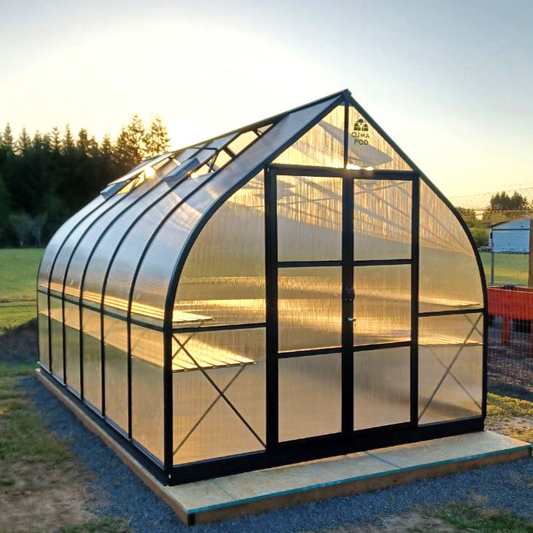
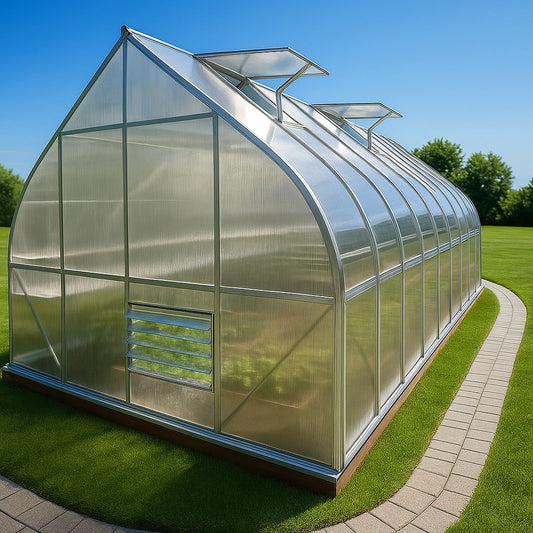
For growers trying to stretch the season past a hard frost date, September is when the conversation about season extension gets practical. A greenhouse, cold frame, or row cover doesn't change what a plant needs biologically, it changes the temperature and light conditions around it, buying extra weeks on both ends of the growing season.
The real benefit shows up with crops that are marginal for your climate or timing. A tomato that wouldn't otherwise ripen before frost, or a fall planting of greens that would stall in cold, wet soil, both do measurably better with even a few extra degrees of protection. That said, a greenhouse isn't a substitute for good timing; a crop planted too late for the season still struggles even under cover, just less severely than it would outdoors.
Unheated structures also have real limits worth naming plainly. They typically buy four to six weeks of frost protection, not indefinite winter growing, and humidity management becomes a bigger issue than temperature for many crops once the days shorten and airflow drops. Growers who treat a greenhouse as a moderate extension of the outdoor season, rather than a fully separate climate, tend to get the most consistent results from it.
Mistakes That Undo a Good September Effort
Most September gardening failures trace back to a small handful of repeated errors, not bad luck or bad soil. Two stand out as both common and entirely avoidable.
The first is treating September like a single moment instead of a month-long window with its own internal deadlines. Fall planting, perennial division, and lawn renovation each have a "too late" point that arrives well before the calendar says autumn. Waiting until leaves change color to start any of these tasks usually means missing them.
The second mistake is applying spring-style fertilizer or aggressive pruning to plants that are trying to slow down, not speed up. Nitrogen and hard pruning both signal "grow now" to a plant, which is exactly the wrong message heading into dormancy. If you're unsure whether a task belongs in September, ask whether it encourages new growth. If it does, it probably belongs in spring instead.
Regional Timing and Your Quick-Reference Checklist
Every task above shifts depending on where you garden, and USDA Hardiness Zones offer a useful, if imperfect, shorthand. Zones reflect average minimum winter temperatures, not first frost dates directly, but the two generally track together across a given region.
- Zones 3-4 (Northern Plains, interior Northeast, Mountain West): First frost often arrives by mid-to-late September. Fall planting windows close early in the month; prioritize harvest and lawn work over new plantings unless using season extension.
- Zones 5-6 (Mid-Atlantic, Midwest, Pacific Northwest interior): Typical first frost falls in early-to-mid October, leaving most of September open for both fall planting and perennial division.
- Zones 7-8 (Mid-South, coastal Pacific Northwest, Southern Plains): Frost often holds off until late October or November. September planting windows are generous, and warm-season lawn wind-down applies through much of this range.
- Zones 9-10 (Deep South, coastal California, Florida): Frost risk is minimal or absent. September functions more like early fall planting season for cool-season crops, with less urgency around any single deadline.
Whatever zone you're in, the underlying logic stays the same: work backward from your average first frost date for anything you're planting or dividing, and work with the plant's natural slowdown, not against it, for anything already established.
- Walk the garden and assess soil, pests, and disease before starting new work
- Harvest tomatoes at breaker stage if frost or heavy rain is forecast
- Cure winter squash in the field with stem intact, weather permitting
- Direct sow spinach, lettuce, radishes, and turnips early in the month
- Plant garlic four to six weeks before typical ground freeze
- Divide spring-blooming perennials while soil is still warm
- Aerate, overseed, and fertilize cool-season lawns in that order
- Stop nitrogen fertilizer and major pruning on trees and shrubs
- Keep newly planted and young trees consistently watered
- Remove and dispose of diseased plant material, not into the compost pile
- Vent greenhouses and cold frames during warm afternoons

September doesn't ask for more work than any other month. It asks for better timing. Get the sequence right, harvest, plant, divide, and prep, roughly in that order, and the garden heads into winter in far better shape than if you'd waited for the weather to make the decision for you.