
February Gardening Guide: What Smart Gardeners Do Now for a Strong Spring Start
Why February Matters in the Garden

February marks a turning point in the gardening calendar. While much of the landscape remains dormant, longer daylight hours signal that spring is approaching. Experienced gardeners understand that the work done now lays the groundwork for a productive growing season.
This is not a month of heavy outdoor labor - instead, it’s about preparation, protection, and strategic planning. A few well-timed tasks can prevent plant stress, reduce pest problems, and help you get a valuable head start once temperatures rise.
Tree and Orchard Care While Plants Are Dormant

Late winter is one of the best times to care for trees because their dormant state minimizes stress and allows wounds to heal before active growth begins.
Treat Frost Cracks
Temperature fluctuations can cause bark to split. Clean damaged areas carefully and seal them with an appropriate tree wound dressing to prevent disease and insect entry.
Refresh Protective Whitewash
If winter weather has washed away trunk protection, reapply a whitewash solution. This helps prevent sunscald and reduces the risk of additional cracking during freeze-thaw cycles.
Prune for Structure and Health
February is ideal for pruning many deciduous trees and fruit varieties. Remove dead, damaged, or crossing branches to improve airflow and light penetration.
Pro Tip: Finish pruning before sap begins to flow. Once spring arrives, timing becomes much tighter.
Transplant Large Trees and Shrubs
When the ground is workable and plants remain dormant, transplanting is significantly less stressful for root systems.
Bonus Tip: Consider installing birdhouses now. Birds become natural pest control partners once the growing season begins.
Managing Snow Cover and Meltwater

If you live in colder regions, snow acts as valuable insulation for overwintering crops and perennial beds. Check that strawberries and winter plantings remain protected.
- Add mulch if snow cover is thin.
- Break up ice layers carefully to prevent suffocation.
- Dig drainage channels where meltwater pools to avoid root rot.
Proper water management now can prevent major soil structure problems later in spring.
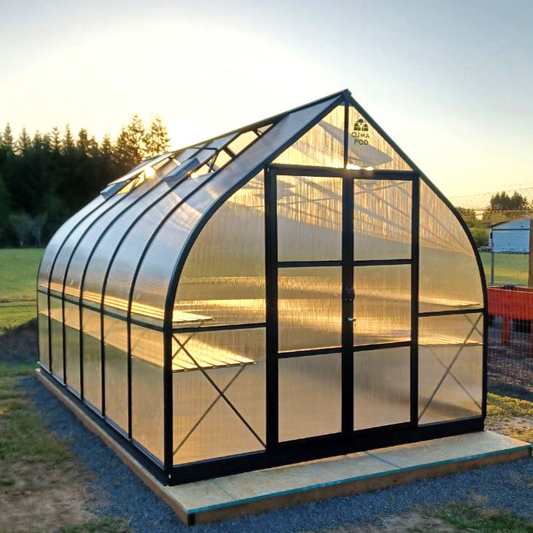
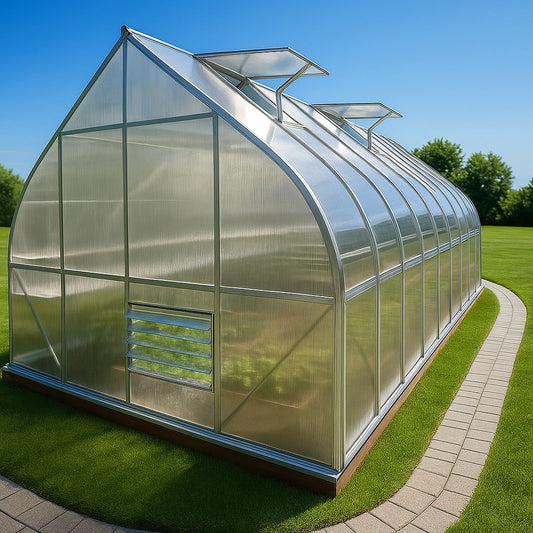
Preparing Your Greenhouse for Early Planting

A greenhouse can dramatically extend your growing season, and February is the perfect time to get it ready.
Inspect the Structure
Look for cracks, loose panels, damaged seals, or bent framing that may have resulted from winter storms.
Sanitize Before the Season Starts
Cleaning walls, benches, and tools helps reduce fungal diseases and pest populations before seedlings arrive.
Refresh the Soil
- Loosen compacted beds
- Remove leftover roots and debris
- Incorporate compost if needed
Water and Warm the Beds
Moist soil absorbs heat more effectively, creating a better environment for early crops.
By late February, many gardeners can begin sowing cold-tolerant crops such as leafy greens, radishes, onions, and some brassicas inside a protected structure.
Modern greenhouses (especially those designed for strong insulation and light diffusion) make it possible to grow earlier, protect seedlings from temperature swings, and maintain more predictable conditions during unpredictable late-winter weather.
Check Seeds and Planting Materials
Before the spring rush begins, evaluate what you already have.
Test Seed Viability
Many seeds remain viable longer than gardeners expect:
- Tomatoes, cucumbers, melons, and beets: often 7–8 years
- Cabbage and radishes: about 4–5 years
- Onions, peppers, and eggplants: best within 2–3 years
Run a simple germination test using a damp paper towel to avoid wasting time and garden space later.
Inspect Stored Bulbs and Tubers
Remove any soft or moldy specimens immediately to prevent problems from spreading.
Smart Planning Now Prevents Spring Stress

February is the month when organized gardeners quietly outperform everyone else.
- Prepare high-quality seed-starting mix
- Order seeds early for the best selection
- Service and sharpen tools
- Repair raised beds and irrigation lines
- Map out crop rotations
Some gardeners also use lunar or biodynamic calendars as planning tools. While not essential, structured timing can help keep planting schedules on track. How to Create a Vegetable Garden Map Before Planting Season
Final Thoughts
February rewards the proactive gardener. Even small efforts (pruning a tree, testing seeds, cleaning a greenhouse) compound into major advantages once spring arrives.
Think of this month as your strategic launch window. Prepare now, and when the first warm days finally appear, you won’t be catching up, you’ll already be growing.